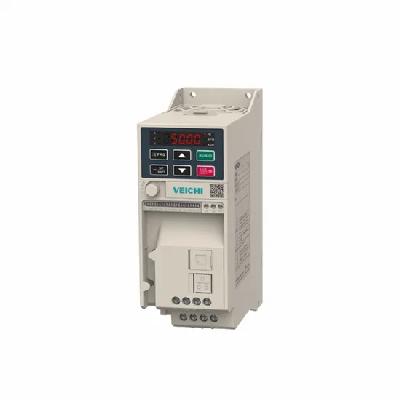
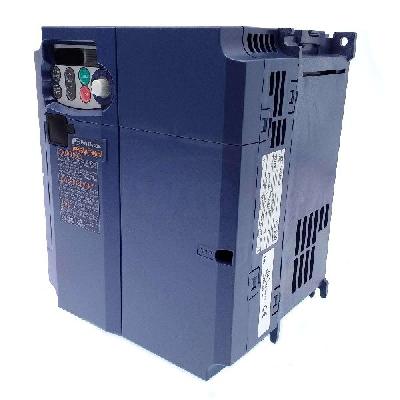
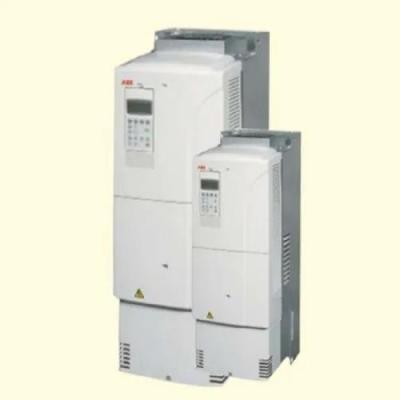
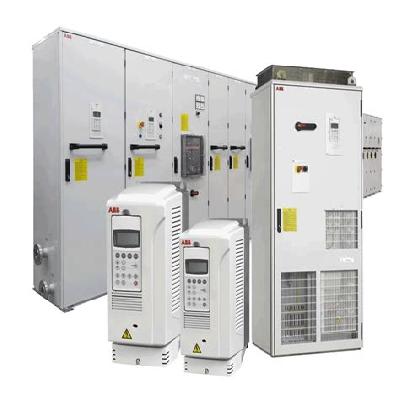
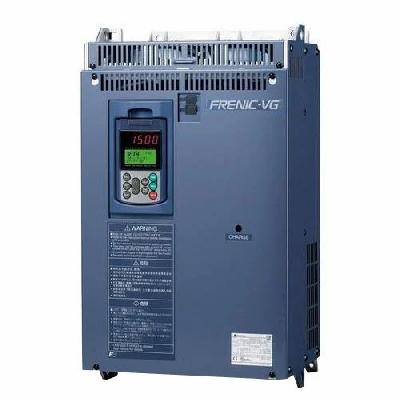
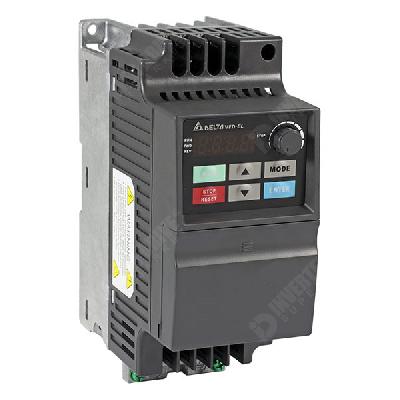
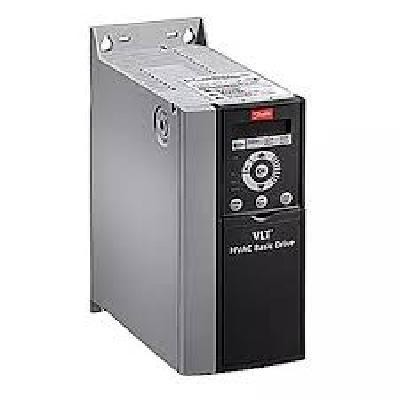
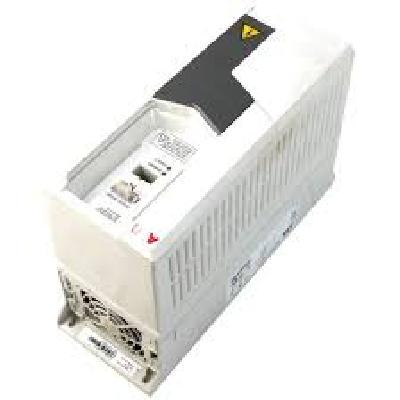
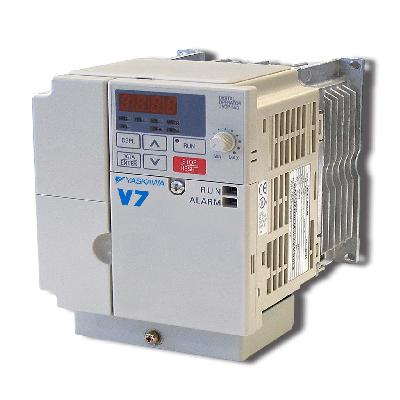
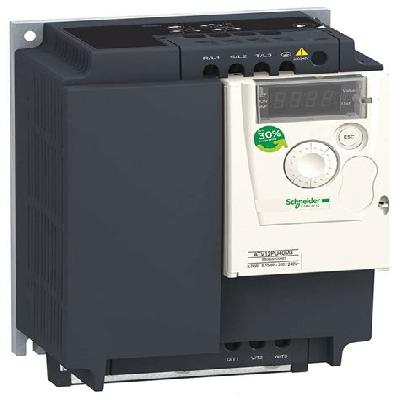
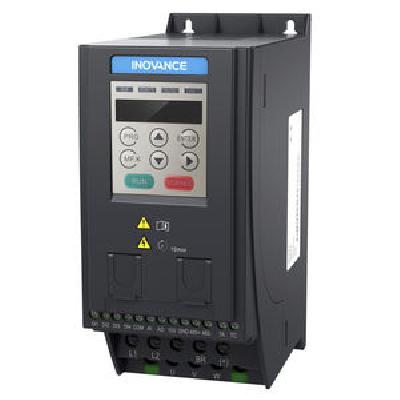
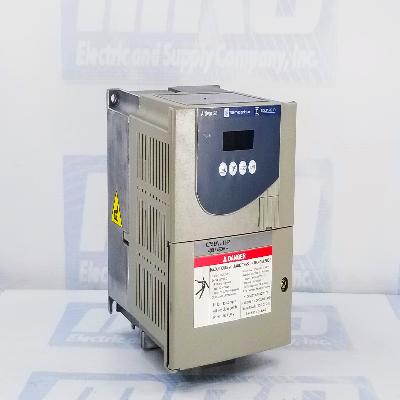
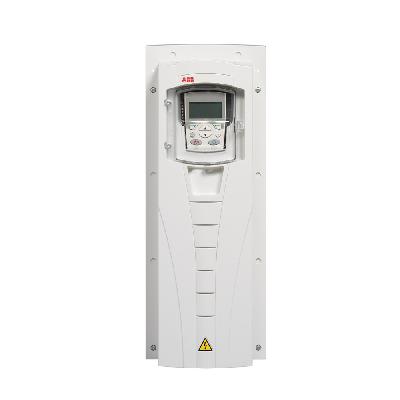
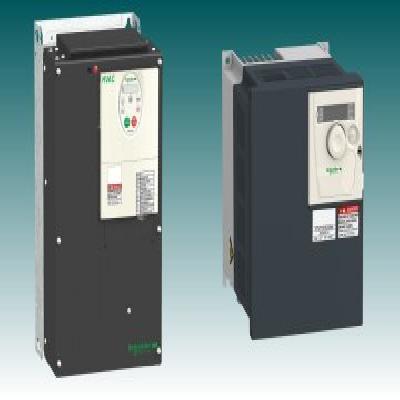
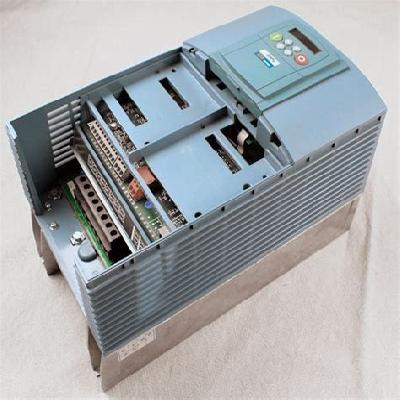
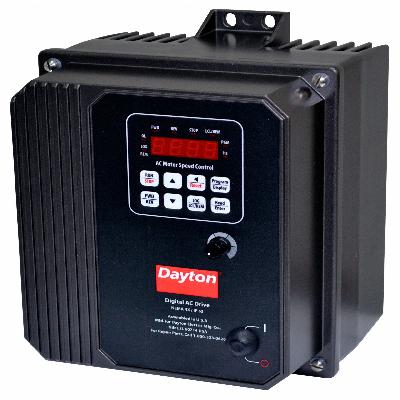
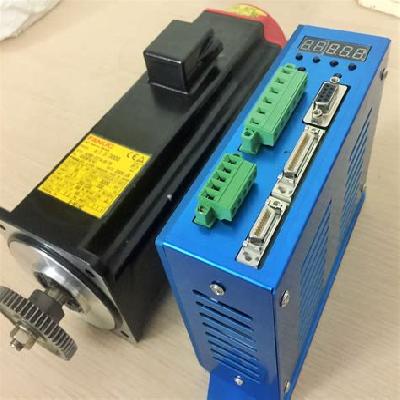
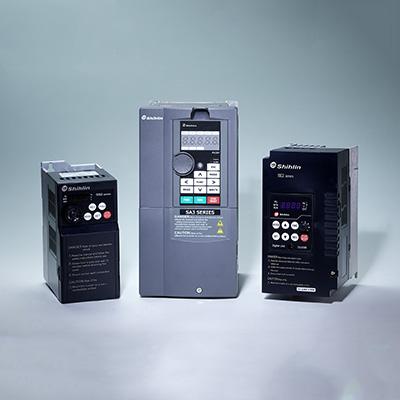
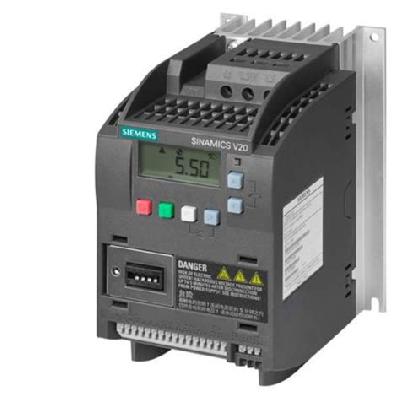
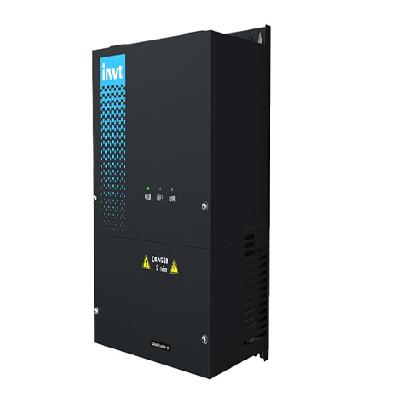
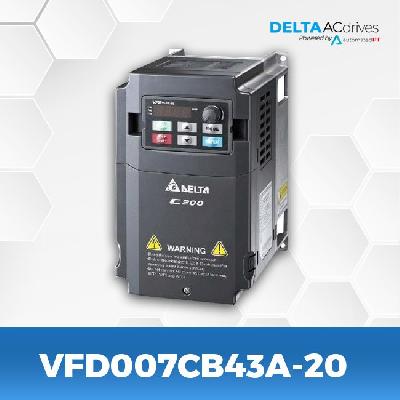
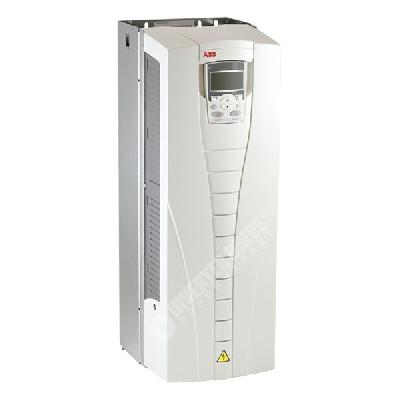
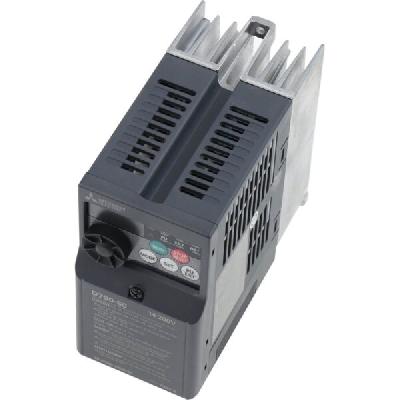
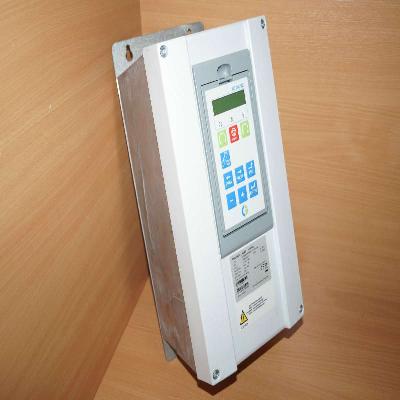
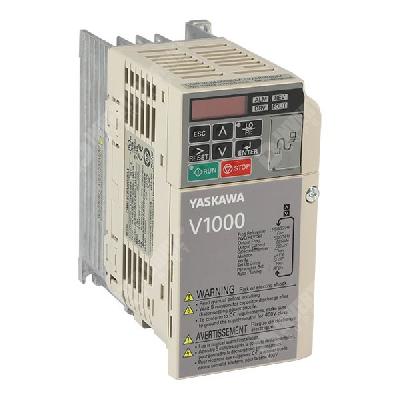
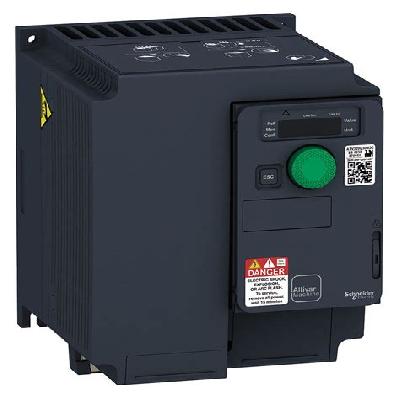
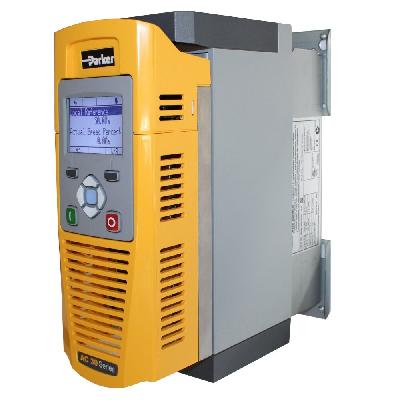
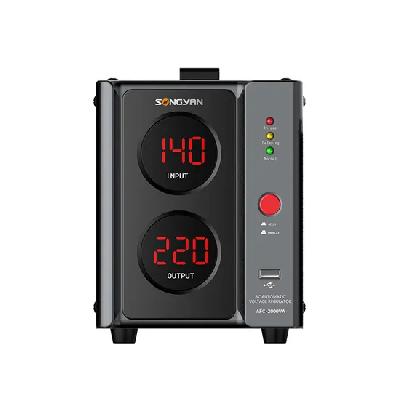
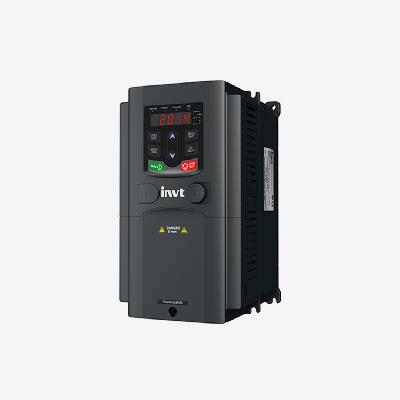
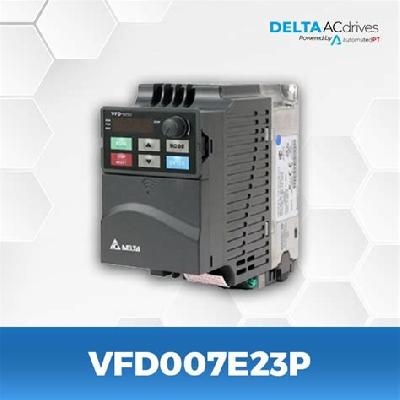
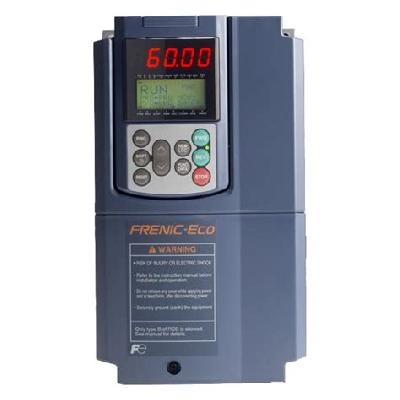
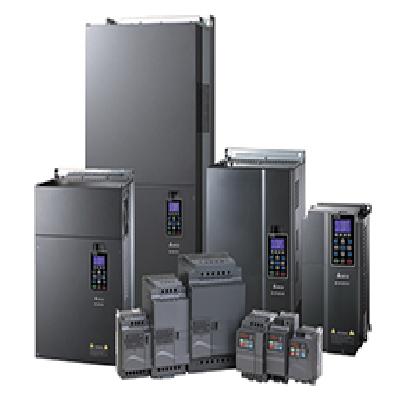
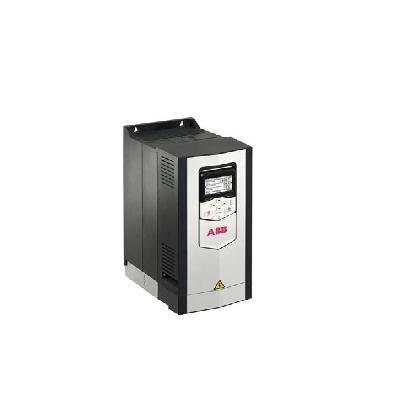
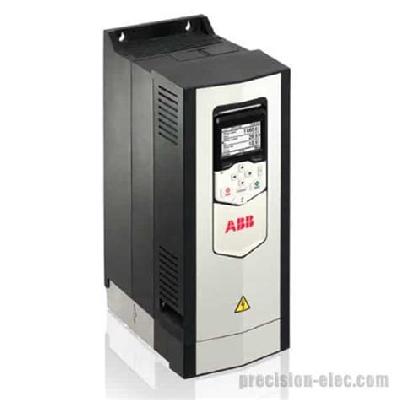
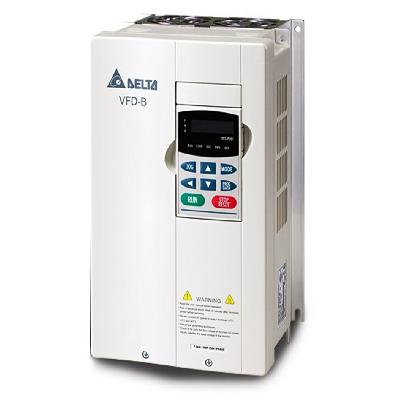
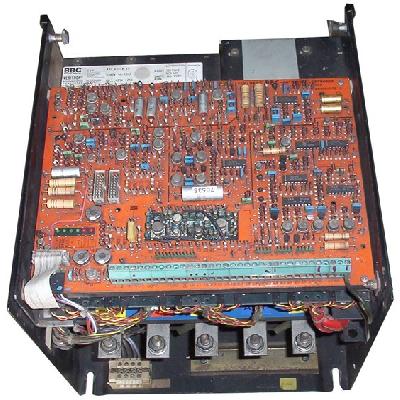
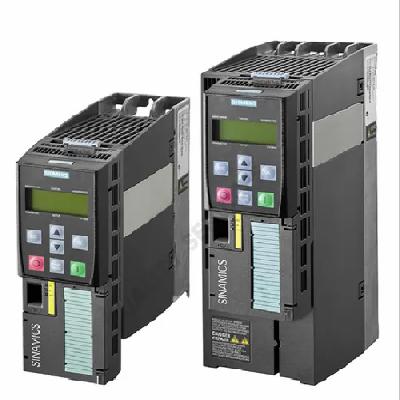
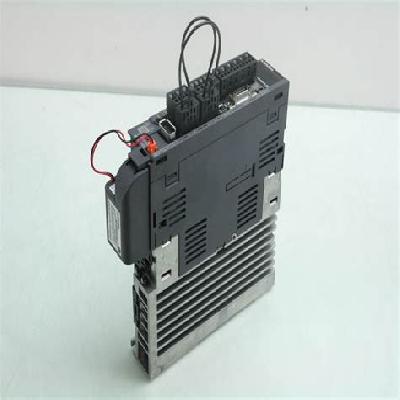
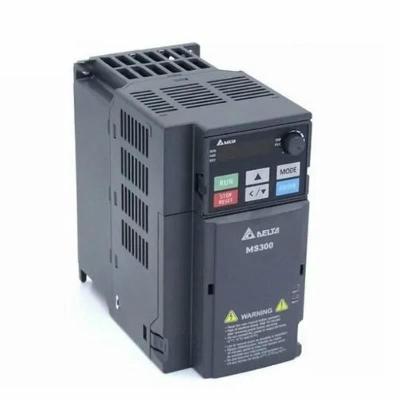
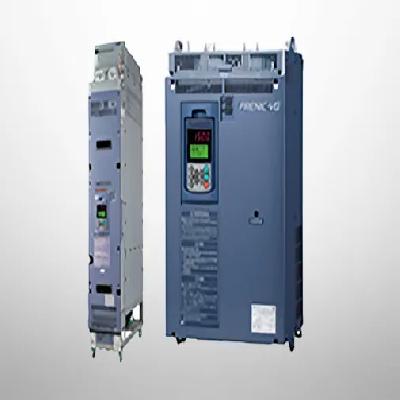
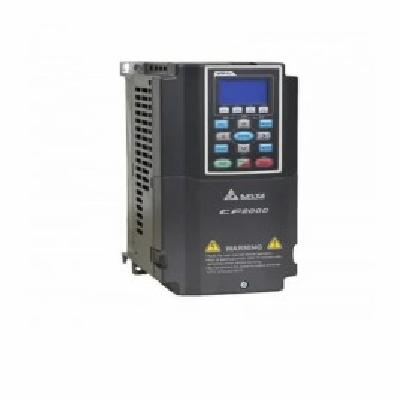
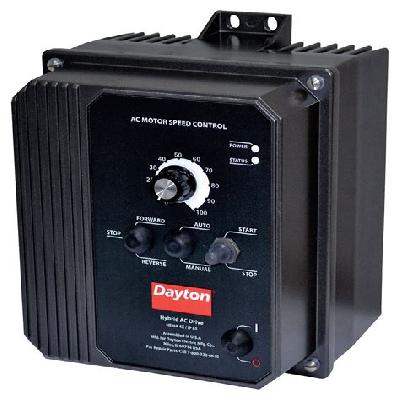
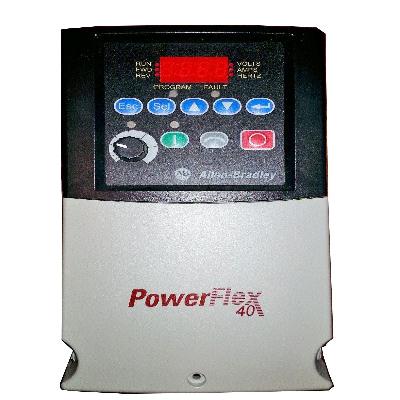
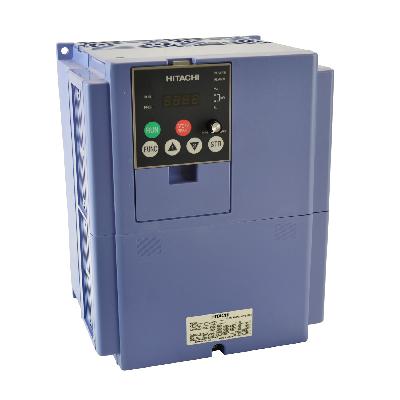
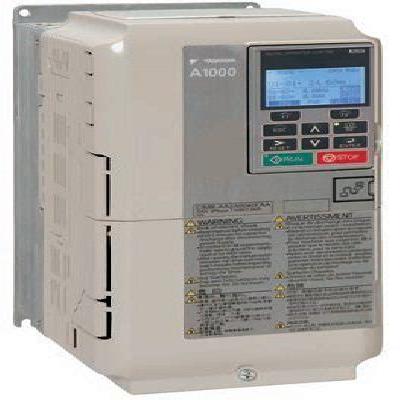
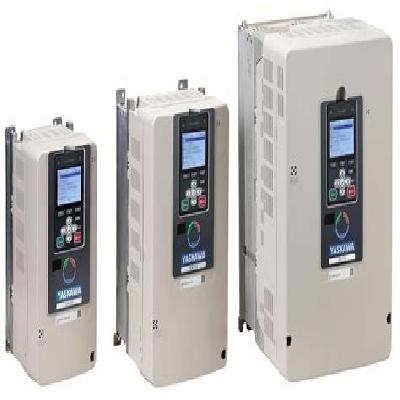
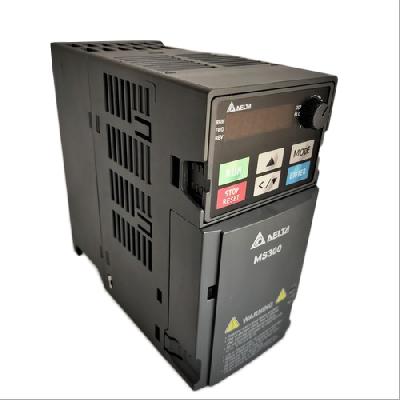
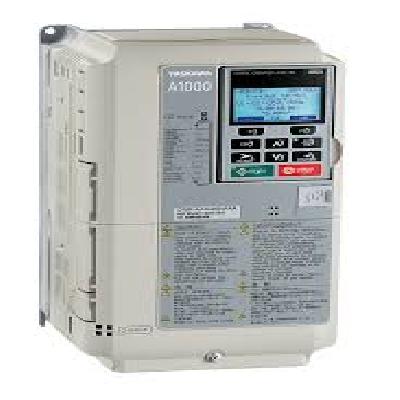
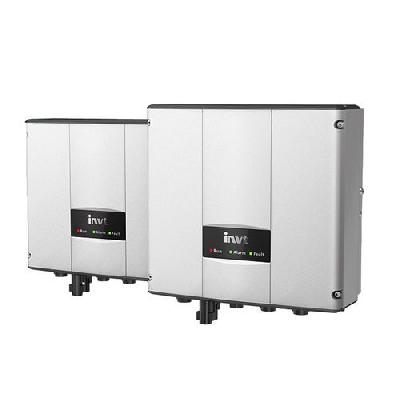
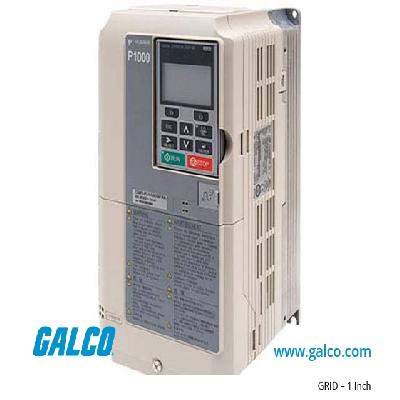
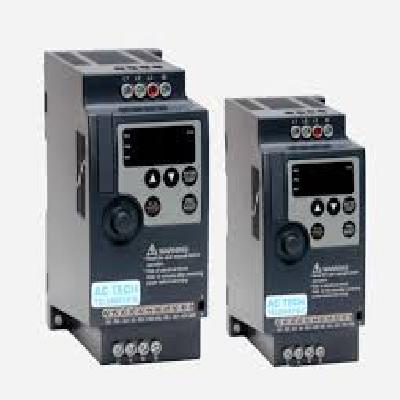
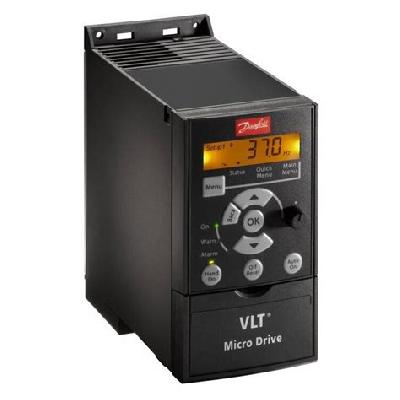
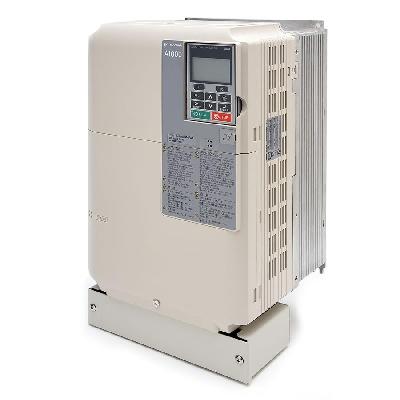
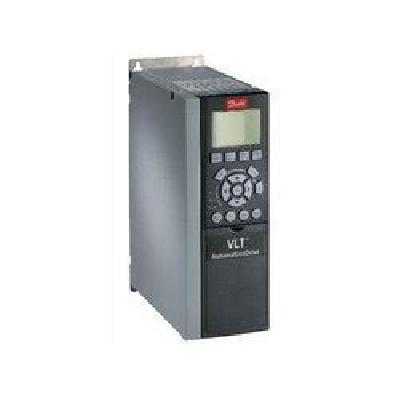
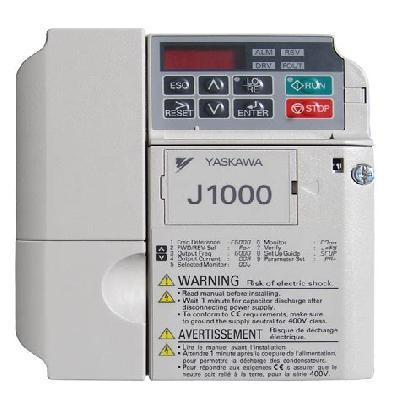
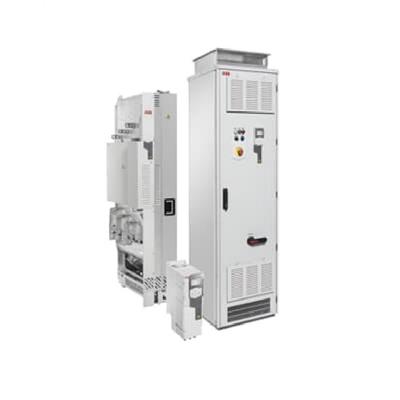
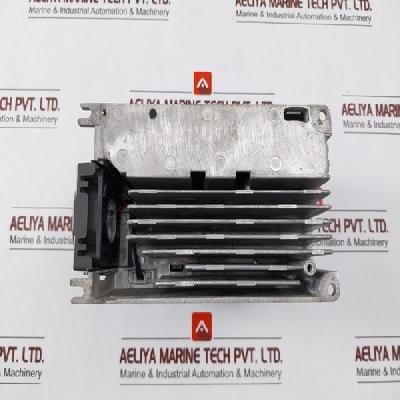
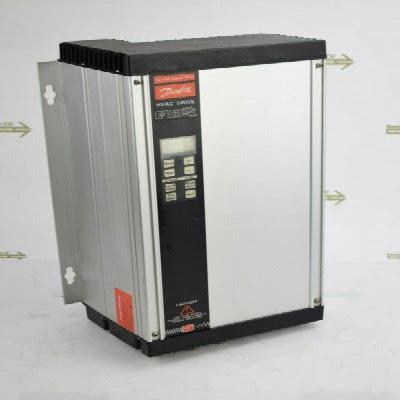
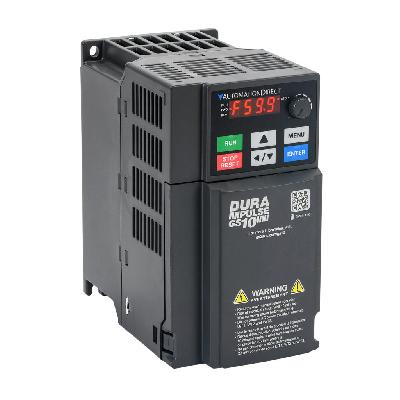
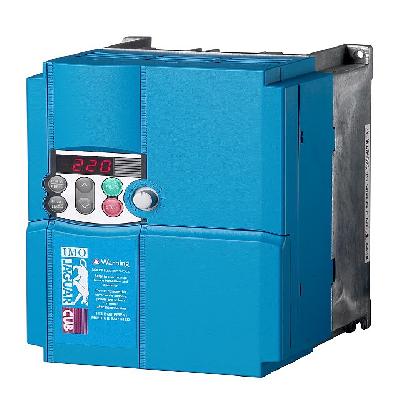
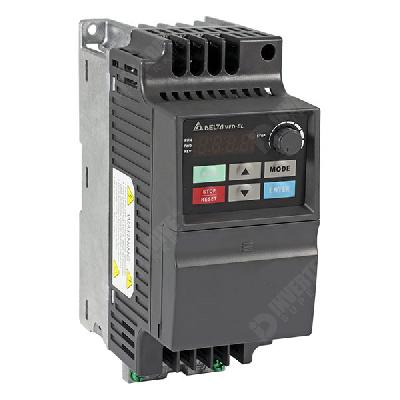
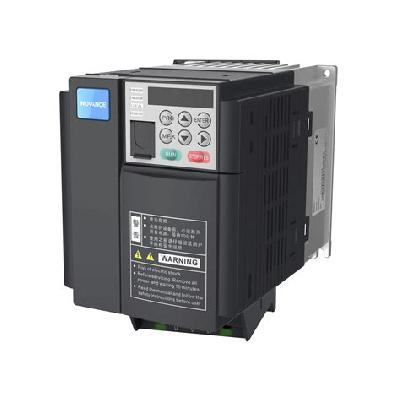
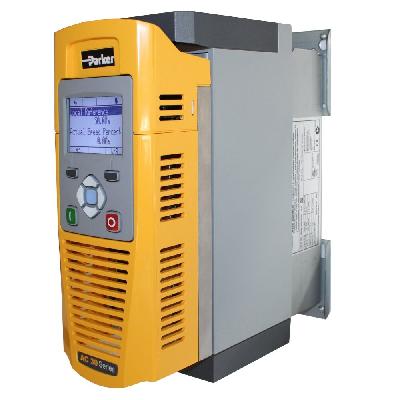
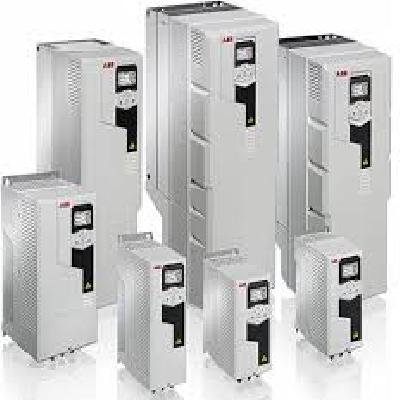
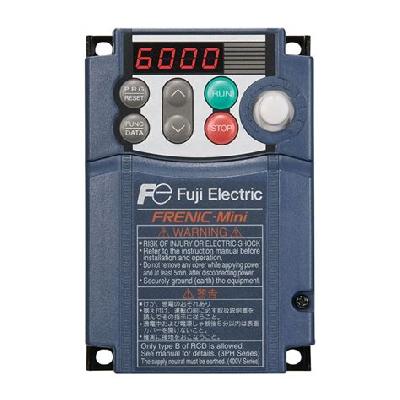
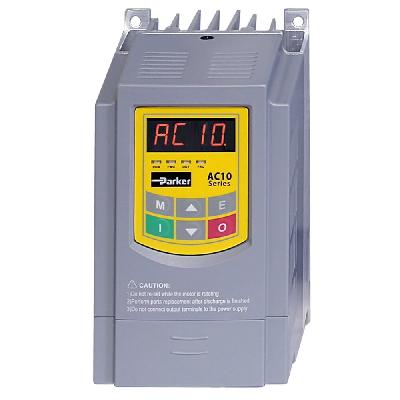
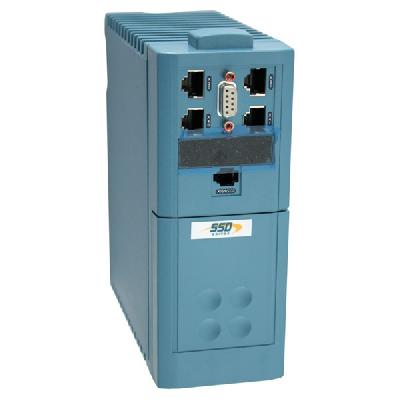
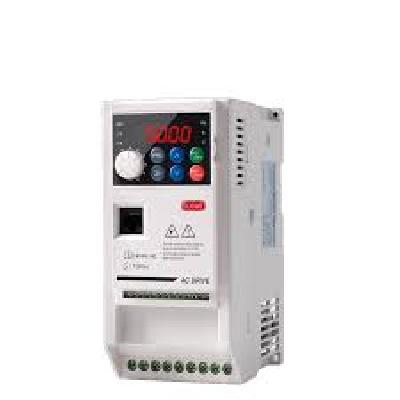
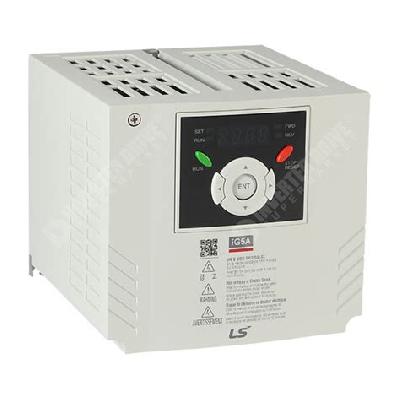
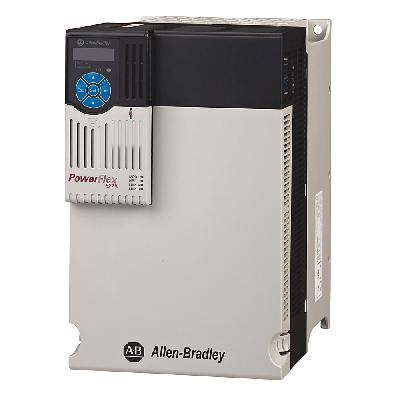
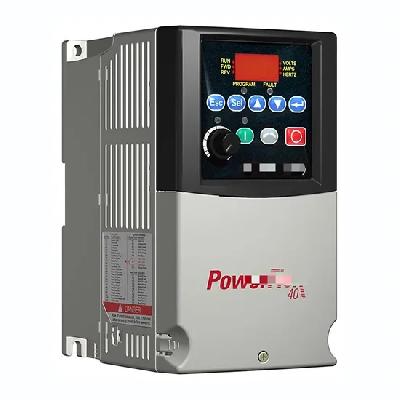
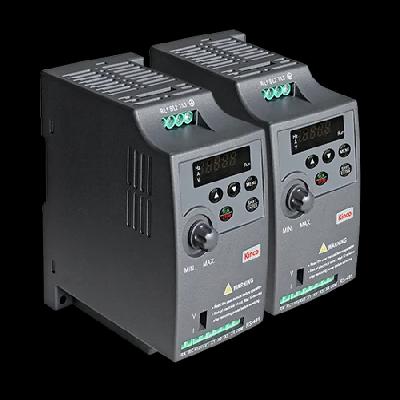
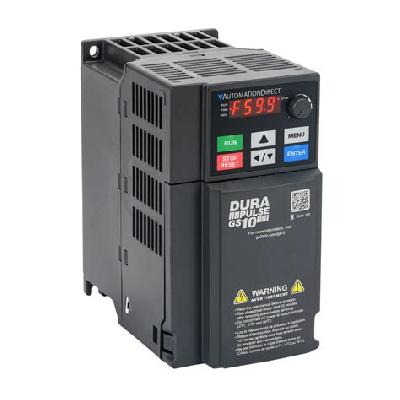
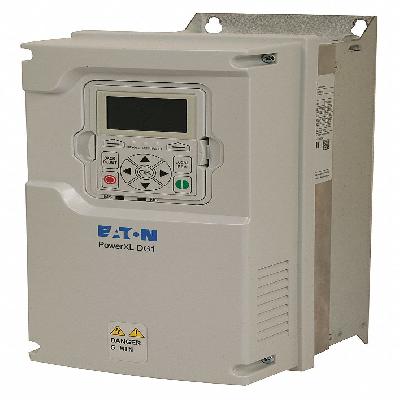
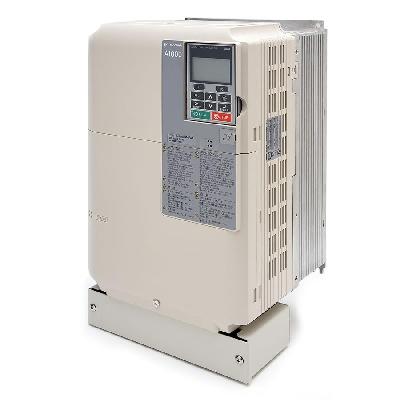
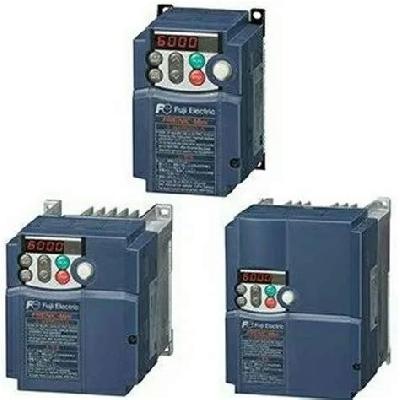
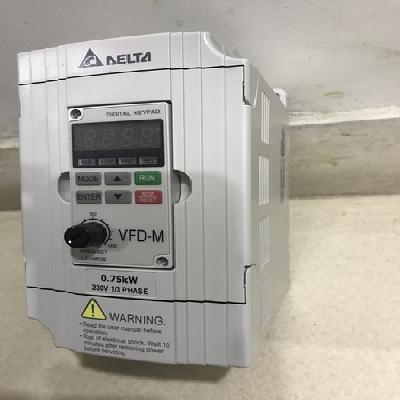
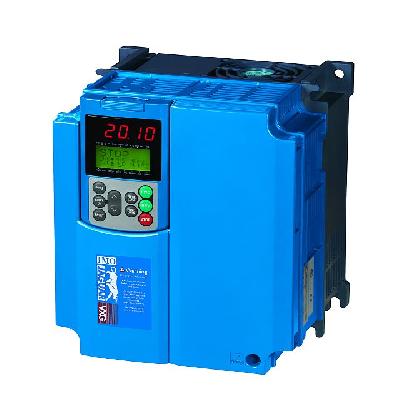
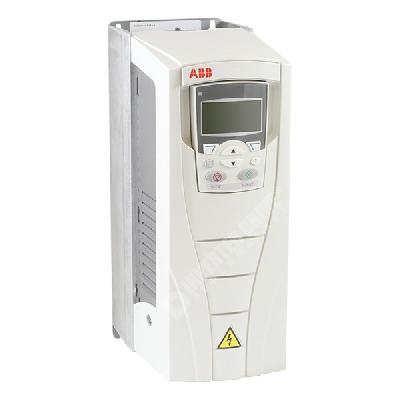
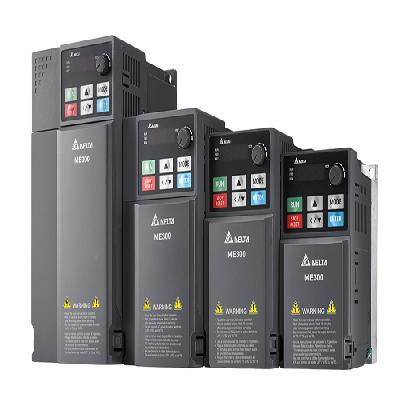
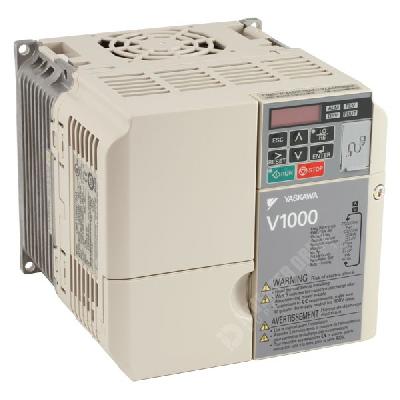
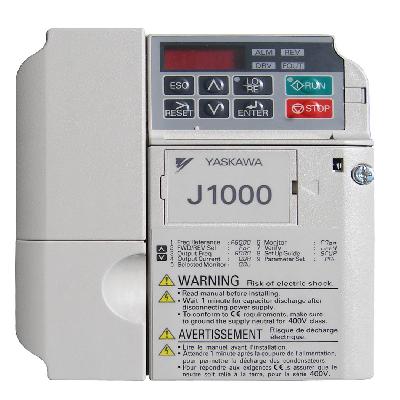
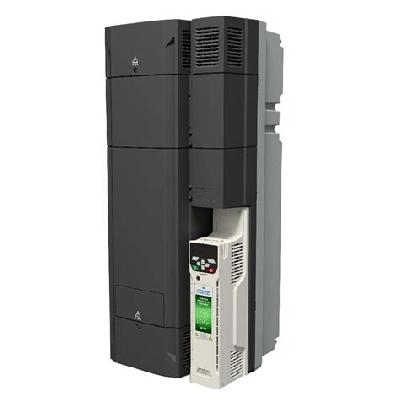
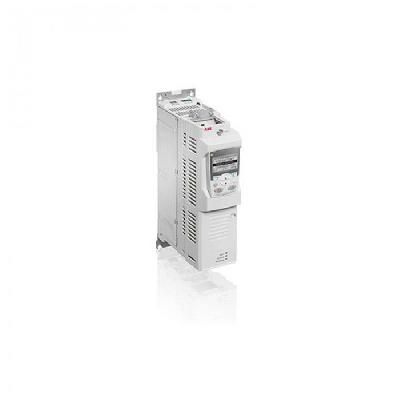
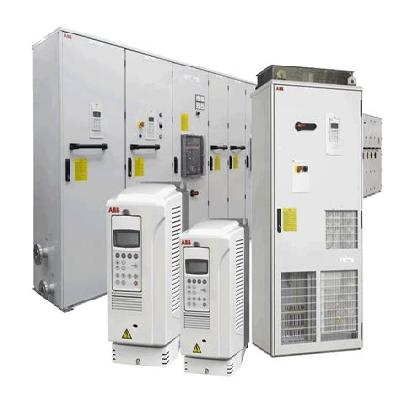
Ac drives are electronic devices that control the speed of AC motors. They provide a flexible and efficient way to manage motor speed, torque, and power consumption in various industrial applications.
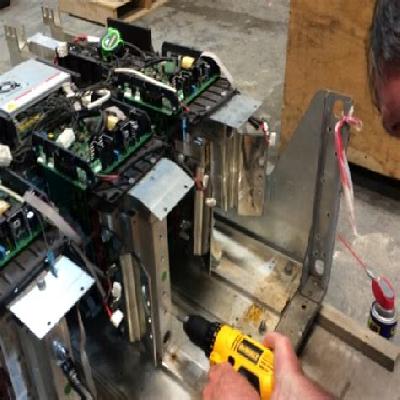
Where To Use Ac Drives
Ac drives can be used in various industrial applications, including but not limited to:
Manufacturing plants
Power generation and distribution
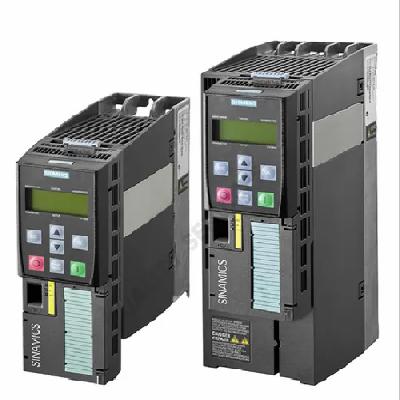
Cement factories
Paper mills
Steel rolling mills
Key Features Of Ac Drives
Flexible speed control
High efficiency and energy savings
Compact design for space-saving installation
Durable construction for long service life
Easy to install and commission
How To Use Ac Drives
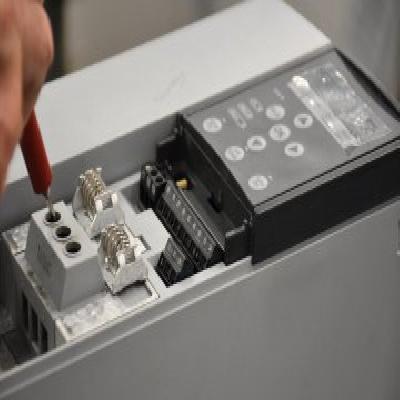
Install the ac drive according to the manufacturer's instructions
Connect the motor and other components as per the drive's specifications
Configure the drive using the built-in controls or programming software
Test the drive for proper operation and adjust settings as needed
How Ac Drives Is Manufactured
Ac drives are manufactured using a combination of electronic and mechanical components, including power electronics, motor control units, and cooling systems.
Technical Specification Of Ac Drives
Input Voltage:
380-480 VAC
Frequency:
50/60 Hz
Power Rating:
200-250 kW
Communication Interfaces:
Profibus, Modbus, Ethernet
Digital Input:
10 digital inputs for remote control and monitoring
Overload Capacity:
150% of rated power for short periods
The technical specification table provides a summary of the key parameters and features of ac drives, including input voltage, frequency, power rating, communication interfaces, digital inputs, and overload capacity. The specifications are designed to meet the requirements of various industrial applications and ensure efficient and reliable operation.
Description Of Ac Drives
Ac drives are electronic devices that control the speed of AC motors by adjusting the voltage and frequency supplied to the motor. They provide a flexible and efficient way to manage motor speed, torque, and power consumption in various industrial applications.