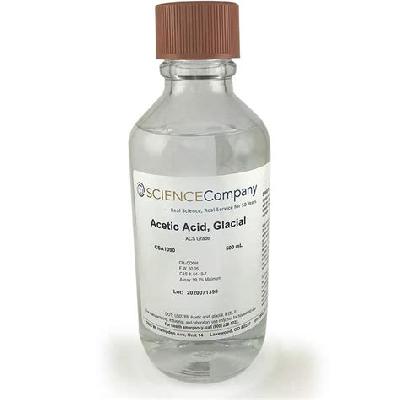
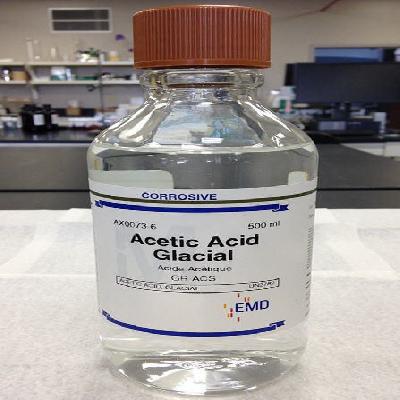
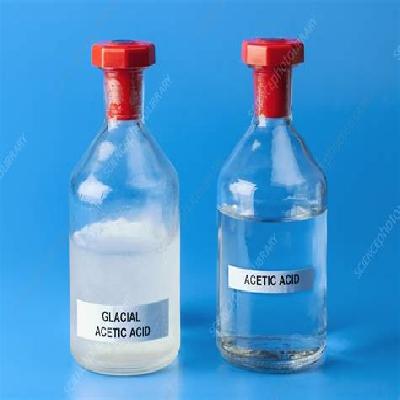
Acetic acid is a colorless, corrosive liquid with a strong, characteristic smell. It has the chemical formula CH3CO2H and is a carboxylic acid.
Where To Use Acetic Acid
Acetic acid is used in a wide range of applications, including the production of vinyl acetate monomer, polyvinyl acetate (PVA) adhesives, and cellulose acetate fibers. It is also used as a solvent for paints, dyes, and other chemicals.
Key Features Of Acetic Acid
High purity and quality
Excellent solvency properties
Wide range of applications
Low toxicity and flammability
How To Use Acetic Acid
Mix with other chemicals to produce desired compounds
Use as a solvent for paints, dyes, and other chemicals
Dilute with water before use in certain applications
Follow proper handling and safety procedures when using acetic acid
How Acetic Acid Is Manufactured
Acetic acid is manufactured through the oxidation of acetaldehyde or the fermentation of ethanol. The most common method involves the carbonylation of methanol, followed by distillation and purification.
Technical Specification Of Acetic Acid
Purity:
99.5% min
Form:
Liquid, colorless
Usage:
Solvent, intermediate in chemical synthesis
Packaging:
Drums, tankers, or IBCs
The technical specification of acetic acid is crucial for its safe handling and use in various industrial applications. The purity and form of the acid ensure that it meets the required standards for chemical synthesis, while the usage and packaging details provide essential information for transportation and storage.
Description Of Acetic Acid
Acetic acid is a versatile chemical with a wide range of applications in various industries. Its high purity and excellent solvency properties make it an essential component in the production of vinyl acetate monomer, polyvinyl acetate (PVA) adhesives, and cellulose acetate fibers.