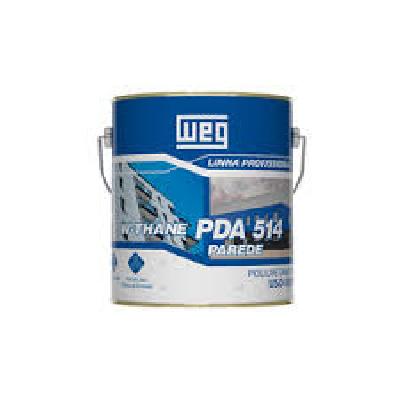
Acrylic coatings are a type of industrial coating made from acrylic polymers. They are known for their durability, chemical resistance, and flexibility.
Where To Use Acrylic Coatings
Industrial machinery and equipment
Food processing plants
Cleanrooms and laboratories
Marine vessels and offshore platforms
Key Features Of Acrylic Coatings
High temperature resistance up to 120°C
Chemical resistance to acids, bases, and solvents
Flexibility and impact resistance
Non-toxic and food-grade compliant
How To Use Acrylic Coatings
Clean the surface thoroughly before application
Apply a primer if necessary
Spray or brush the coating according to manufacturer's instructions
Allow to dry and cure as recommended
How Acrylic Coatings Is Manufactured
Acrylic coatings are manufactured through a process of polymerization, where monomers are combined to form polymers. The resulting coating is then formulated with additives and thickeners to achieve the desired properties.
Technical Specification Of Acrylic Coatings
Viscosity:
150-200 cP
Density:
1.2-1.5 g/cm³
Coverage:
12-15 m²/L
Thickness:
50-100 ?m
The technical specification of acrylic coatings is designed to provide a clear understanding of the product's performance and characteristics. The viscosity, density, coverage, and thickness of the coating are all critical factors in determining its suitability for a particular application.
Description Of Acrylic Coatings
Acrylic coatings are a versatile and durable solution for protecting surfaces from corrosion, wear, and tear. They offer excellent chemical resistance and can withstand high temperatures, making them suitable for use in a wide range of industries.
Related Products & Synonyms Of Acrylic Coatings
The related products of acrylic coatings include epoxy coatings, polyurethane coatings, and silicone coatings. These products offer similar performance characteristics but may have different formulations or properties.
Elastocoat is a synonym for acrylic coatings, offering the same level of performance and durability.