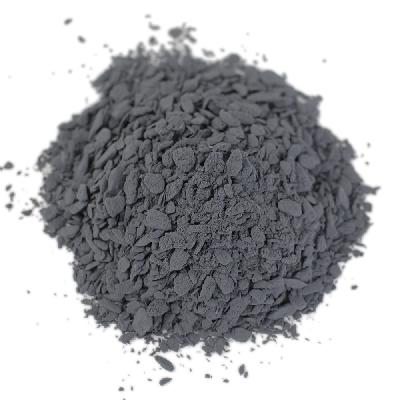
Bakelite powder, also known as phenolic resin powder, is a type of thermosetting plastic made from a combination of phenol and formaldehyde.
Where To Use Bakelite Powder
Bakelite powder is commonly used in various industrial applications, including electrical insulation, machine parts, and chemical equipment.
It can also be used as a molding material for creating complex shapes and designs.
Key Features Of Bakelite Powder
High temperature resistance up to 200°C.
Good electrical insulation properties.
Chemically resistant and durable.
Easy to mold and shape.
How To Use Bakelite Powder
Mix the powder with a solvent to create a workable mixture.
Apply the mixture to the desired surface or mold.
Cure the mixture in an oven or under heat pressure.
How Bakelite Powder Is Manufactured
Bakelite powder is manufactured through a process of condensation polymerization, where phenol and formaldehyde are combined in the presence of a catalyst to form a hard, brittle material.
Technical Specification Of Bakelite Powder
Particle Sizes:
30-50 microns
Purity:
95% min.
Packaging:
25 kg bags or drums
Color:
Brown/Black
Form:
Powder
The technical specification of bakelite powder is critical in ensuring its quality and performance in various industrial applications. The particle sizes, purity, packaging, color, and form are all important factors to consider when selecting a suitable bakelite powder for a particular project.
Description Of Bakelite Powder
Bakelite powder is a versatile and widely used industrial material known for its excellent electrical insulation properties, high temperature resistance, and chemical resistance.
Related Products & Synonyms Of Bakelite Powder
Other phenolic resins, such as epoxy and acrylic.
Polyester and polyamide powders for molding and casting.