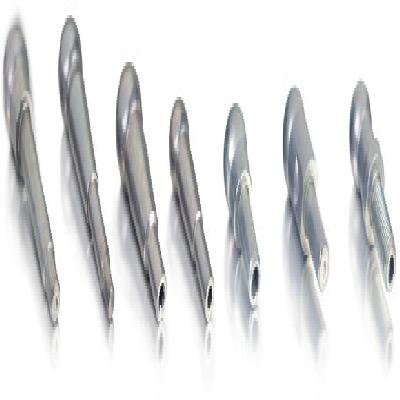
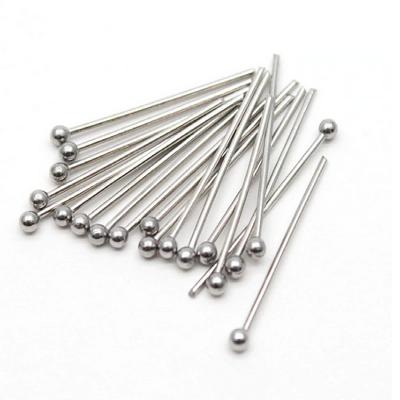
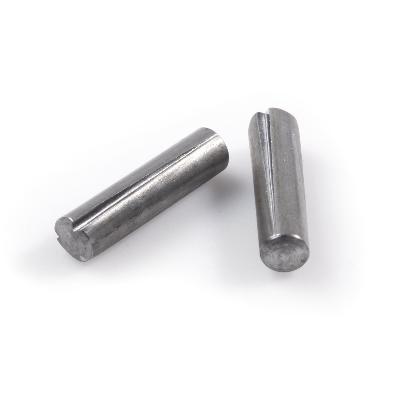
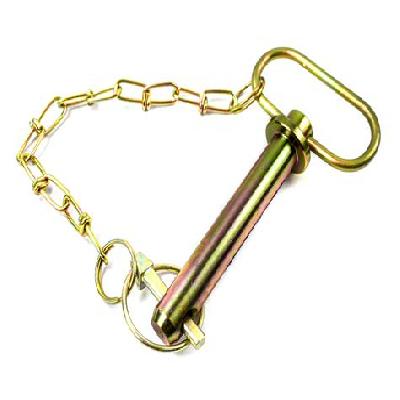
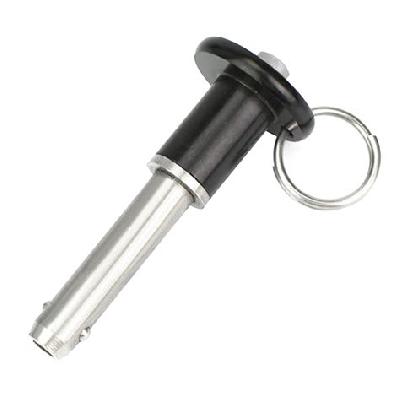
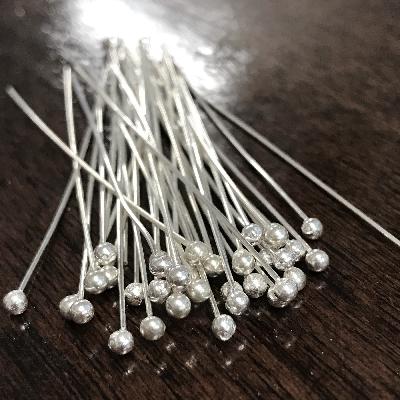
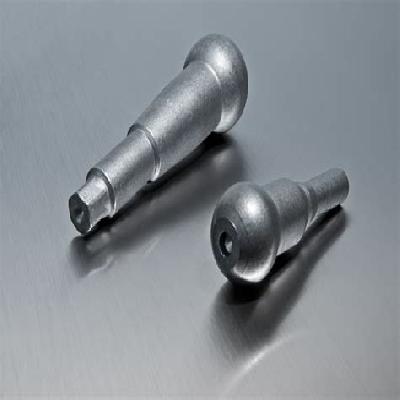
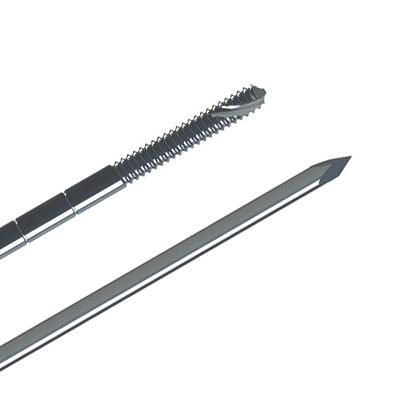
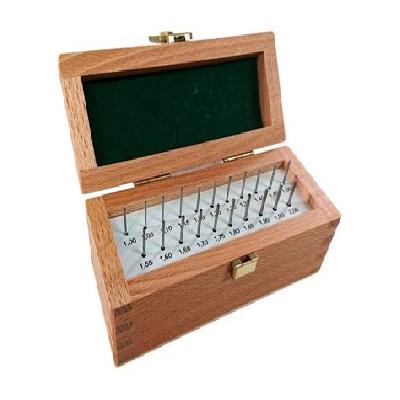
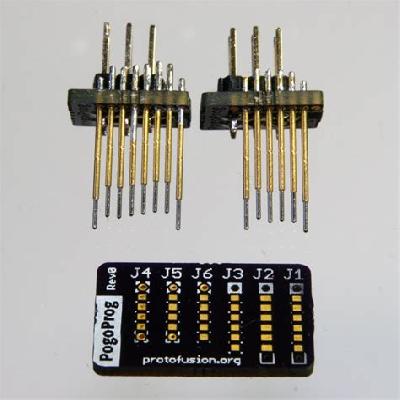
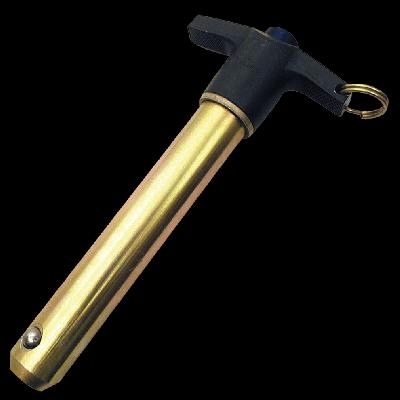
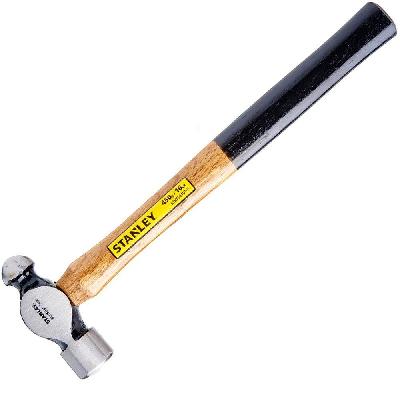
Ball pins are small, cylindrical objects used to provide support and stability in various mechanical systems. They are typically made of metal, such as steel or stainless steel, and have a rounded head with a threaded shank.
Where To Use Ball Pins
Bicycles and rickshaws for securing wheels in place.
Machinery and equipment to provide support and stability.
Assembling and disassembling parts with ease.
Key Features Of Ball Pins
Durable and long-lasting material.
High tensile strength for withstanding heavy loads.
Easy to assemble and disassemble.
Provides stability and support in mechanical systems.
How To Use Ball Pins
Insert the ball pin into a pre-drilled hole.
Tighten the nut to secure the ball pin in place.
Verify that the ball pin is securely fastened and stable.
How Ball Pins Is Manufactured
Ball pins are manufactured using a combination of machine tools and manual labor. The process involves cutting, grinding, and polishing the metal to achieve the desired dimensions and surface finish.
Technical Specification Of Ball Pins
Diameter:
5-10 mm
Length:
10-20 mm
Material:
Steel or Stainless Steel
Ball Diameter:
3-5 mm
Tensile Strength:
500-1000 N/mm²
The technical specifications of ball pins are critical in determining their performance and suitability for various applications. The diameter, length, material, ball diameter, and tensile strength all play important roles in ensuring the stability and support provided by the ball pin. In addition to these specifications, manufacturers may also consider factors such as surface finish, thread type, and packaging to meet specific customer requirements.
Description Of Ball Pins
Ball pins are small, cylindrical objects used to provide support and stability in various mechanical systems. They are typically made of metal, such as steel or stainless steel, and have a rounded head with a threaded shank.