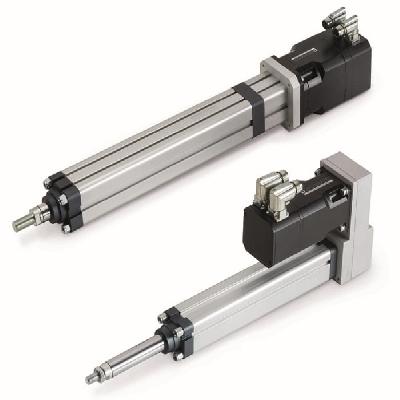
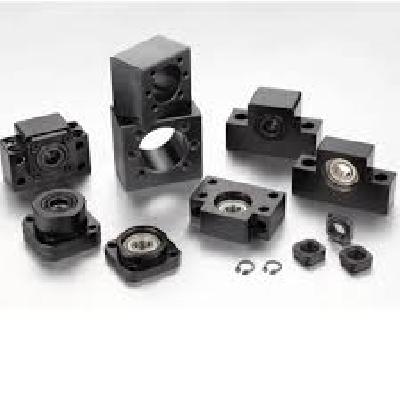
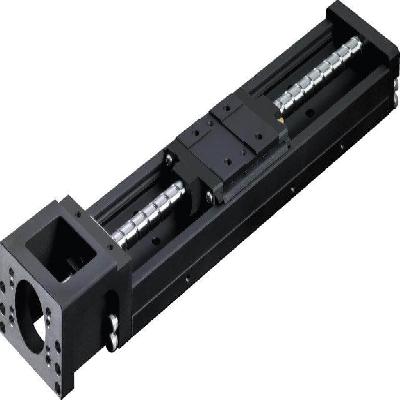
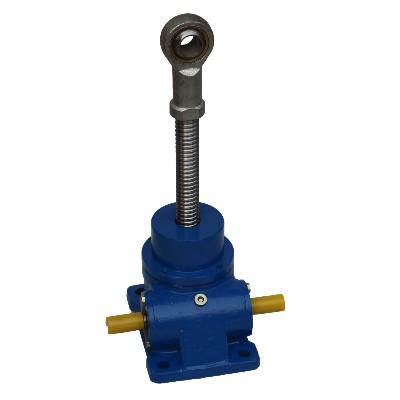
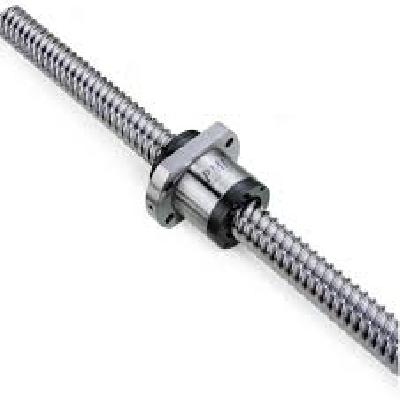
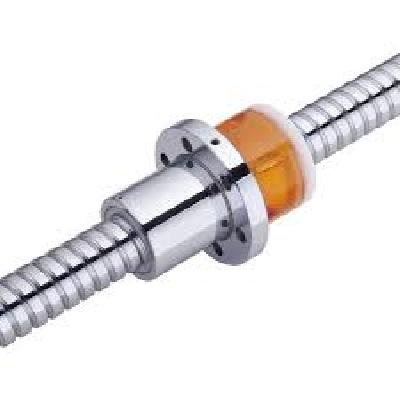
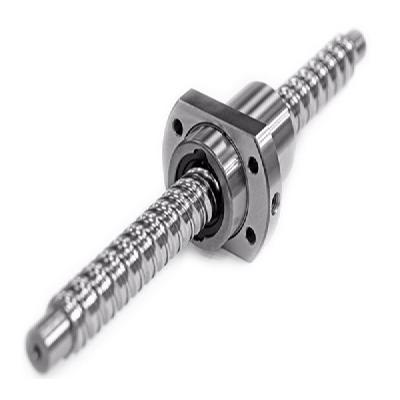
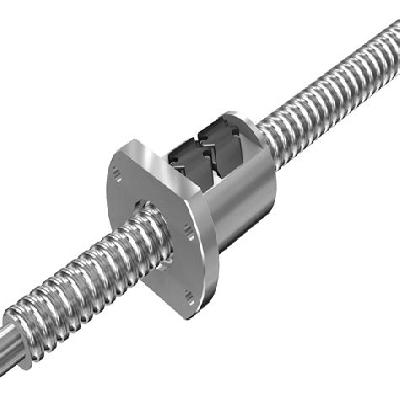
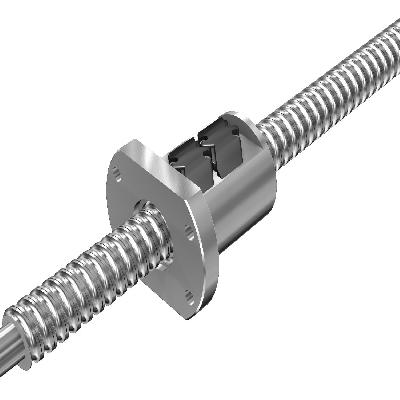
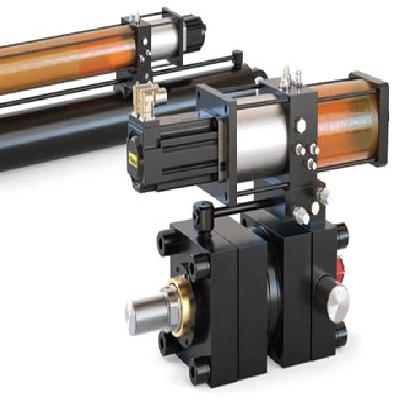
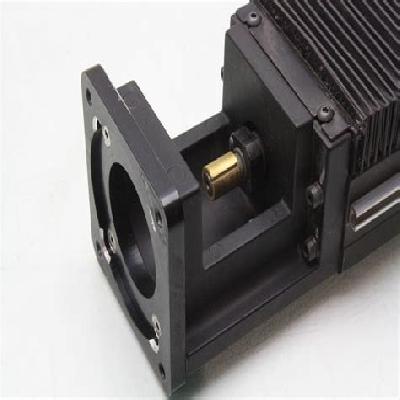
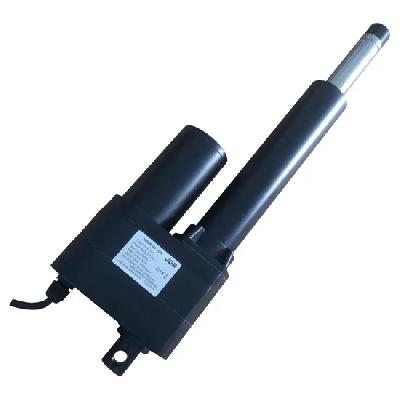
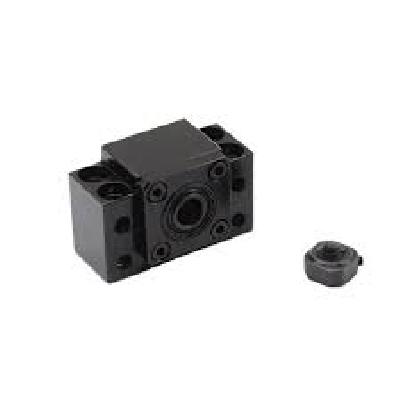
Ball screw actuators are a type of industrial equipment that uses a ball screw to convert rotational motion into linear motion. They consist of a screw nut and a lead screw, which work together to provide precise positioning and high load capacity.
Where To Use Ball Screw Actuators
Machine tools and CNC machines
Aerospace and defense applications
Automotive industry (e.g. gearboxes, transmissions)
Medical devices and equipment
Railway and transportation systems
Key Features Of Ball Screw Actuators
High load capacity and precision positioning
Fast response time and high acceleration
Low backlash and high stiffness
Robust design for harsh environments
Long lifespan with minimal maintenance required
How To Use Ball Screw Actuators
Connect the ball screw actuator to a motor or power source
Adjust the lead screw and nut for precise positioning
Monitor and control the system using sensors and feedback loops
Maintain the equipment regularly to ensure optimal performance
How Ball Screw Actuators Is Manufactured
The manufacturing process of ball screw actuators involves several stages, including raw material selection, machining, assembly, and testing.
Technical Specification Of Ball Screw Actuators
Load Capacity (kgf)
1000-5000 kgf
Stroke Length (mm)
500-2000 mm
Motor Type
AC/DC servo motor
Ball Screw Dia (mm)
10-50 mm
The technical specification of ball screw actuators is critical in determining their performance and suitability for specific applications. The load capacity, stroke length, motor type, and ball screw diameter are key factors to consider when selecting a ball screw actuator.
Description Of Ball Screw Actuators
Ball screw actuators are designed to provide precise and reliable linear motion in a variety of industrial applications. They consist of a ball screw and nut, which work together to convert rotational motion into linear motion.
Related Products & Synonyms Of Ball Screw Actuators
Some related products of ball screw actuators include: