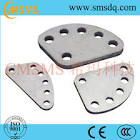
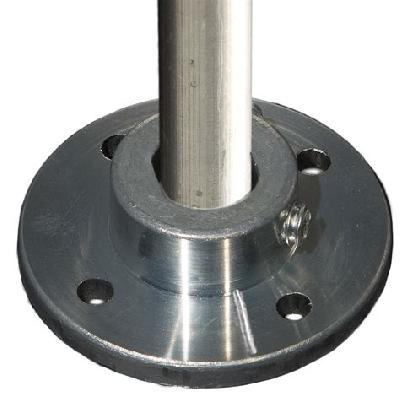
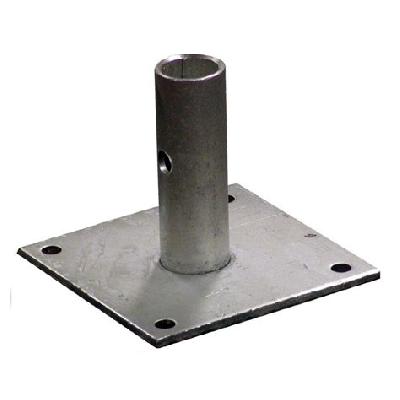
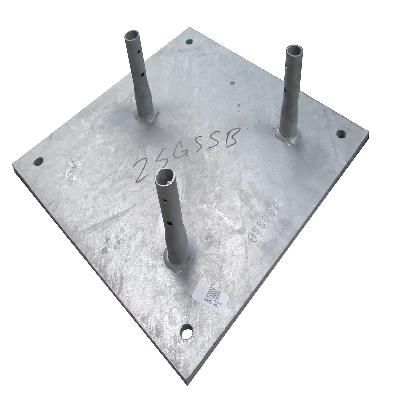
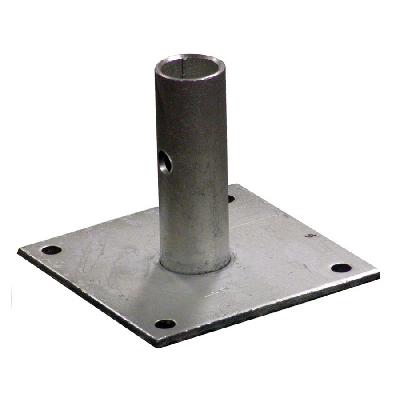
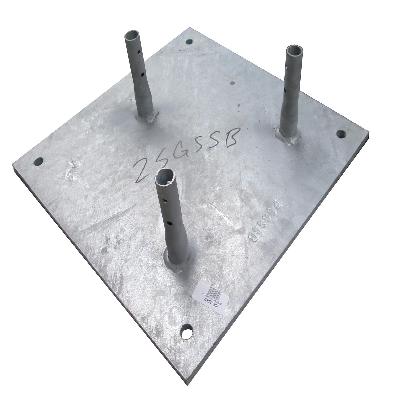
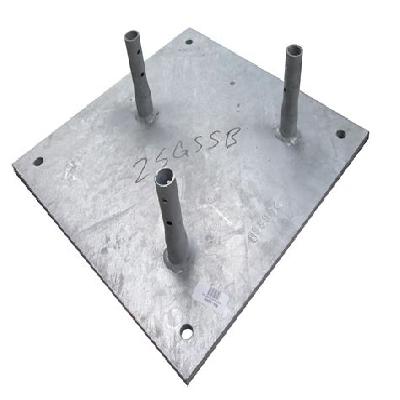
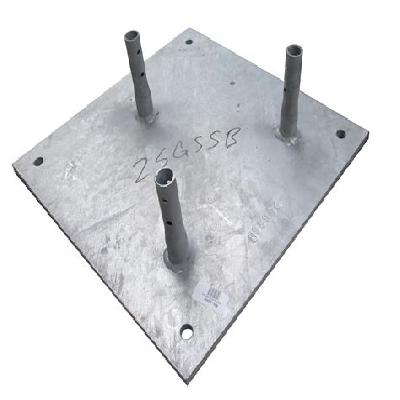
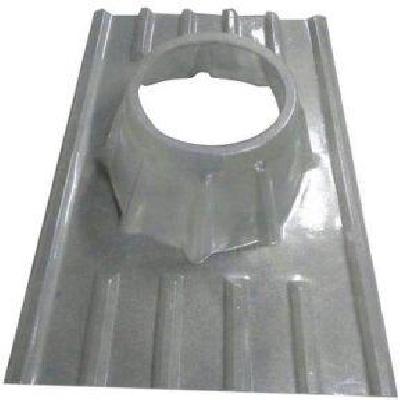
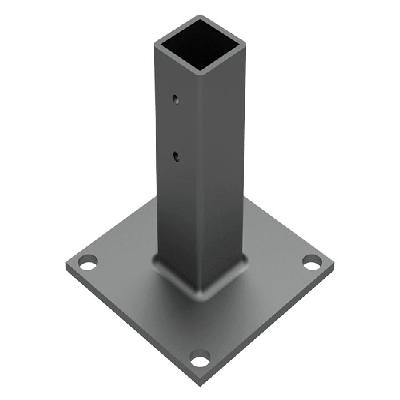
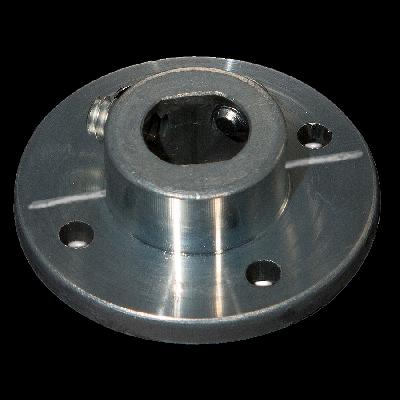
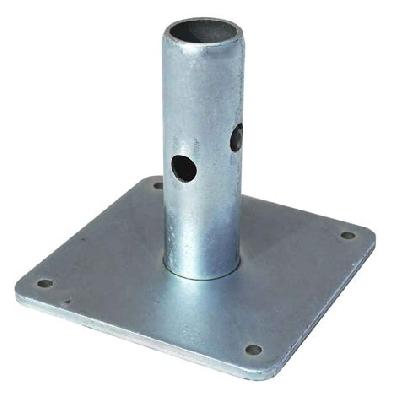
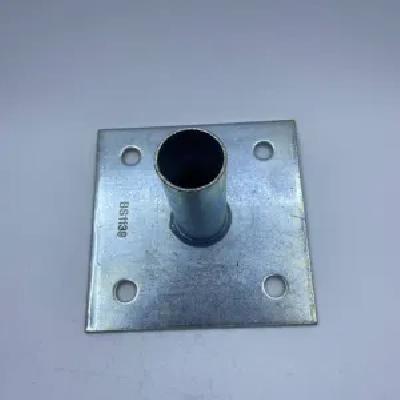
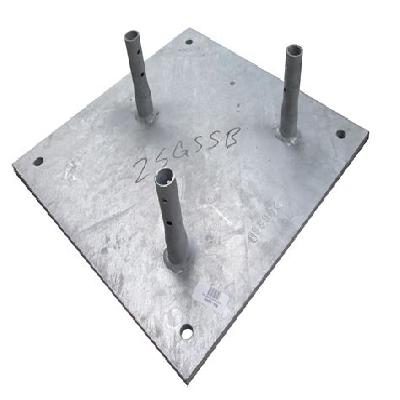
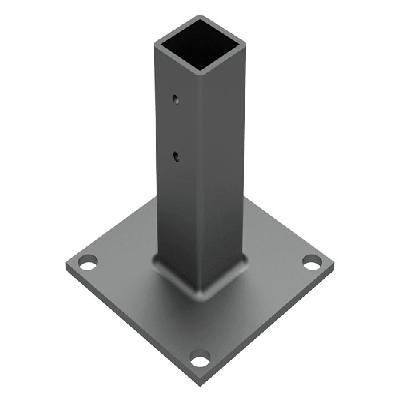
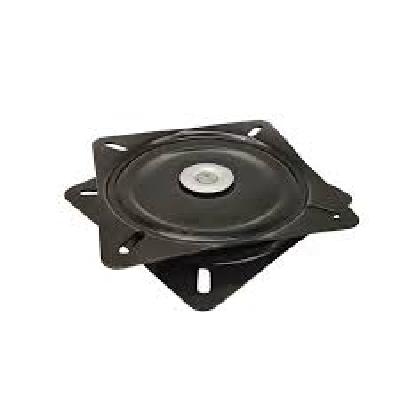
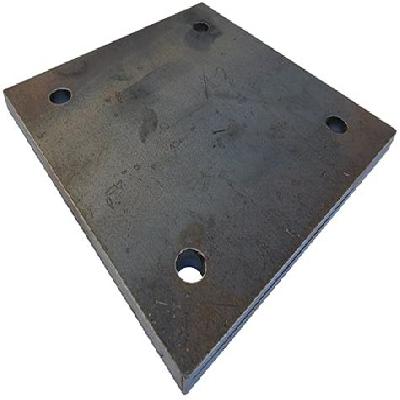
Base plates are a type of hardware fitting used in building and construction projects. They serve as the foundation or base for various structures, providing support and stability to the overall framework.
Where To Use Base Plates
Base plates can be used in various applications, including construction of buildings, bridges, and other infrastructure projects.
Key Features Of Base Plates
Providing support and stability to structures
Enhancing the overall strength of buildings and bridges
Ensuring even distribution of loads
How To Use Base Plates
Place the base plate at the foundation level of the structure
Ensure proper alignment and leveling of the base plate
Screw or bolt the base plate to the surrounding surface
How Base Plates Is Manufactured
Base plates are typically manufactured using high-quality materials, such as steel or aluminum, through a process of cutting and shaping to exact specifications.
Technical Specification Of Base Plates
Plate Thickness (mm)
5-10
Material
Steel/Aluminum
Plate Width (mm)
200-500
Load Capacity (kg)
1,000-5,000
Plate Length (mm)
300-800
The specifications of base plates vary depending on the specific requirements of the project. However, in general, they are designed to provide a stable and strong foundation for structures, ensuring even distribution of loads and enhancing overall strength.
Description Of Base Plates
Base plates are a critical component in building and construction projects, providing the foundation for structures to rest on.
Related Products & Synonyms Of Base Plates
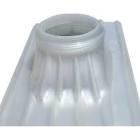
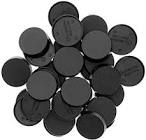
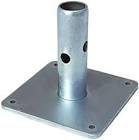
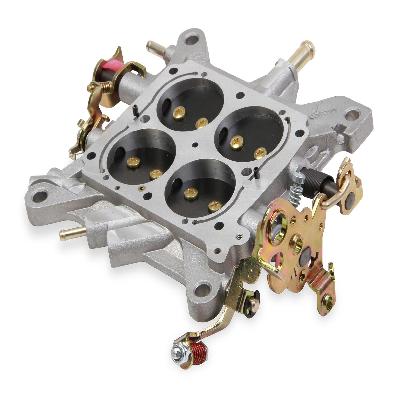
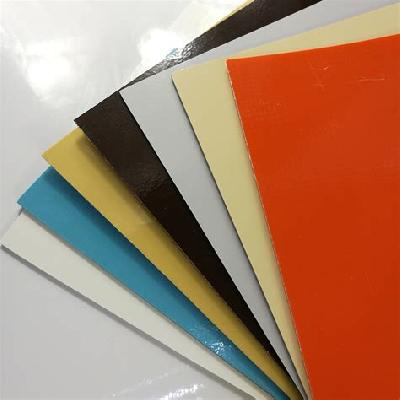
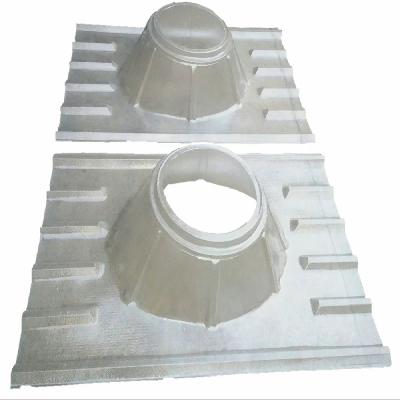
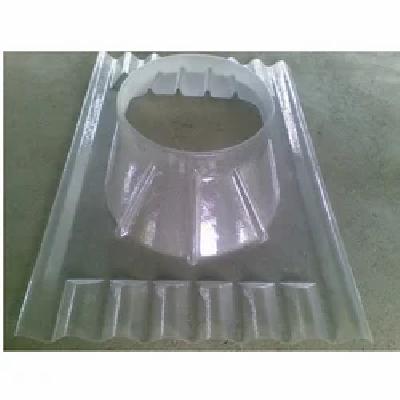
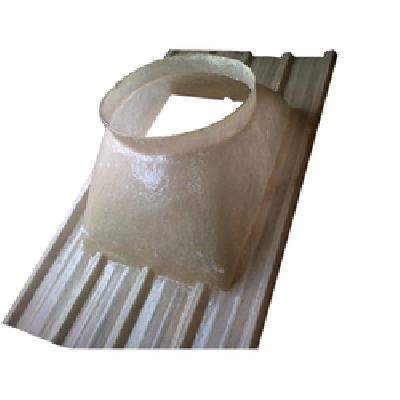
Some related products to base plates include Polycarbonate Ventilator Base Plate, Plastic Bases, Scaffolding Base Plate, Adjusting Plate, Polycarbonate Plates, Carburetor Base Plate , FRP Plate. These products are often used in conjunction with base plates to provide additional support and functionality.