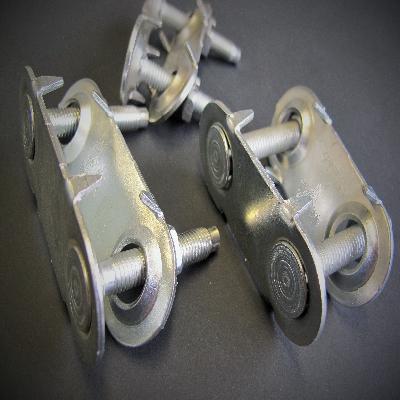
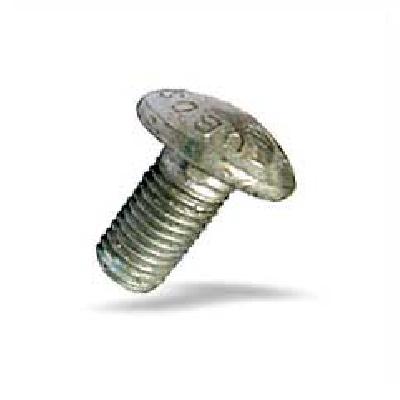
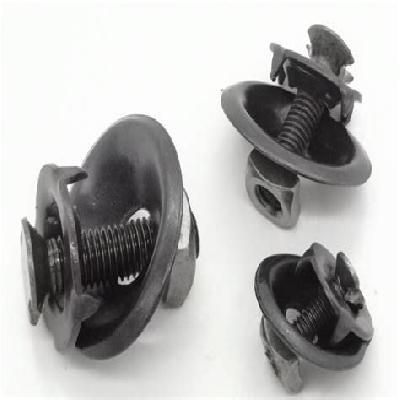
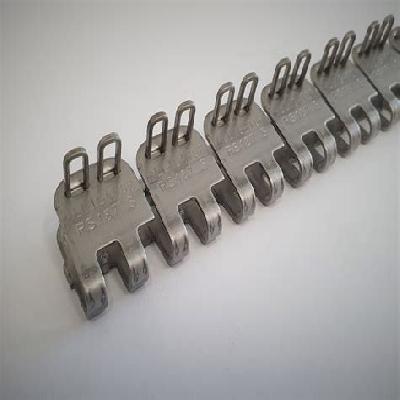
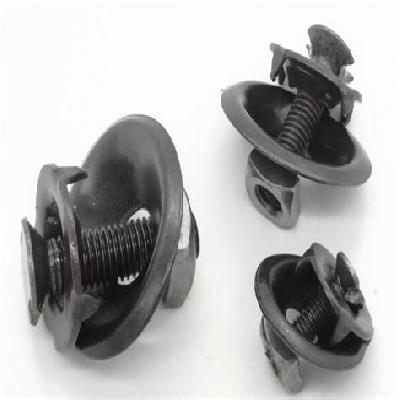
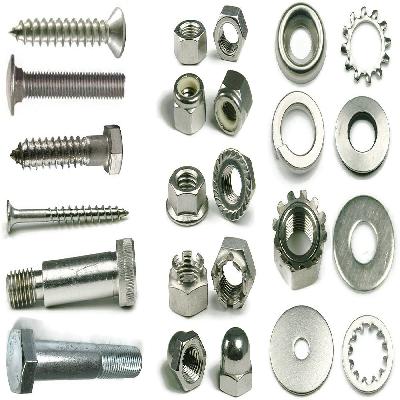
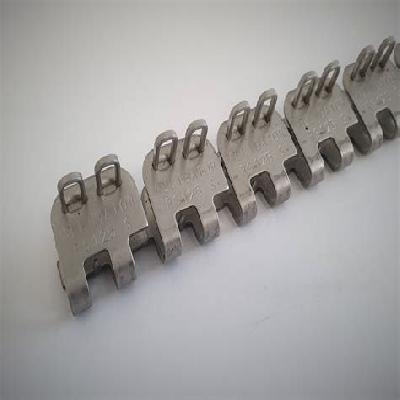
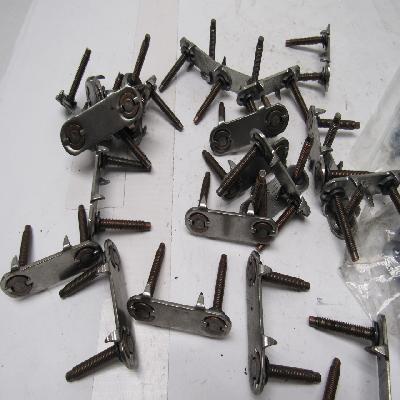
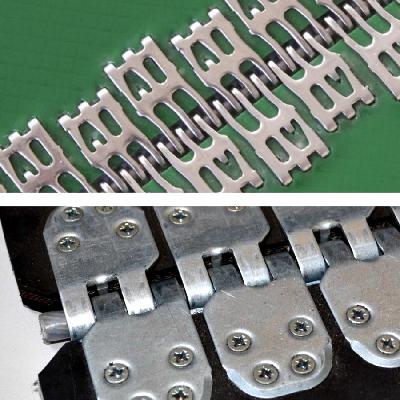
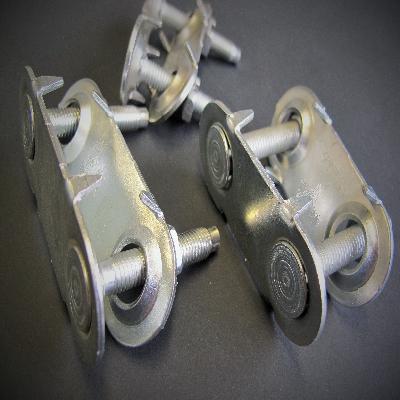
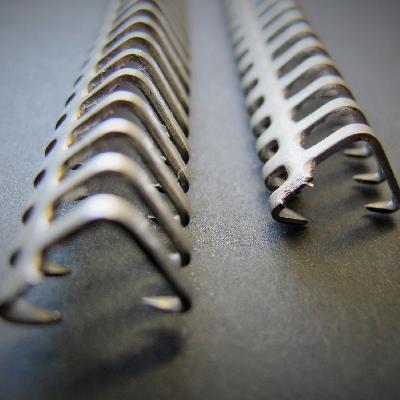
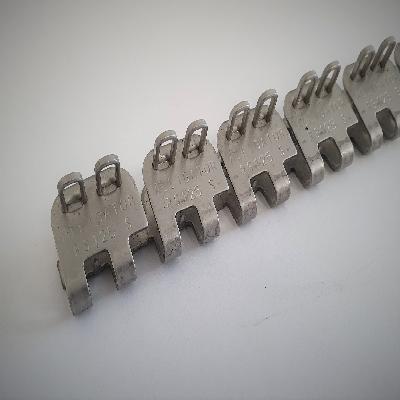
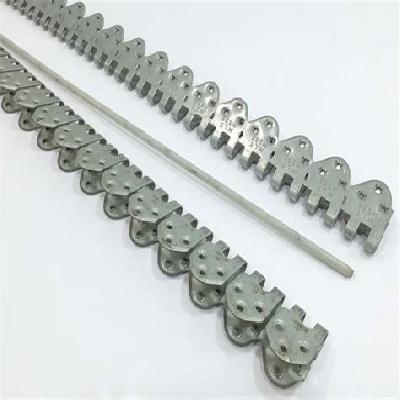
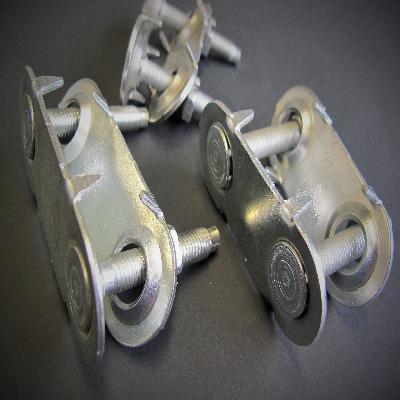
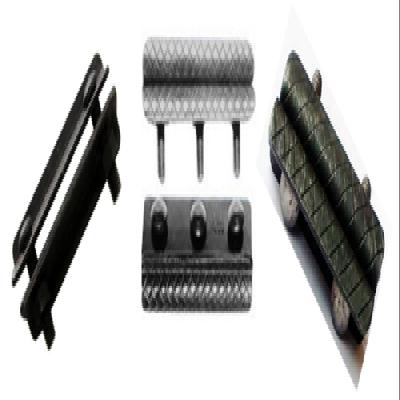
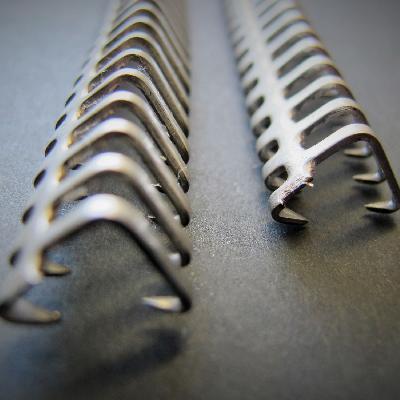
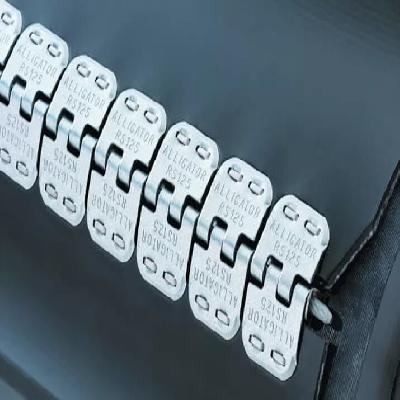
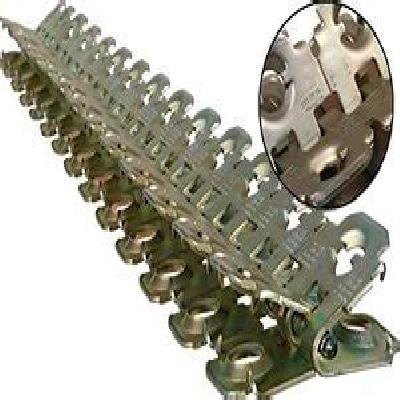
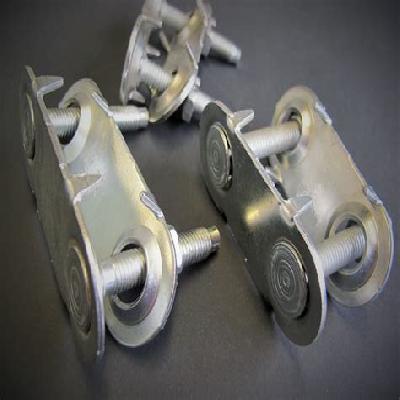
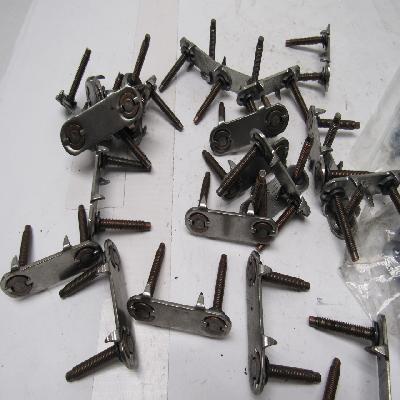
Belt fasteners are components used to secure belts and other types of straps in place, ensuring they remain tight and functional throughout their intended use.
Where To Use Belt Fasteners
Belt fasteners are commonly used in industrial settings for applications such as conveyor belts, power transmission systems, and machinery components.
Key Features Of Belt Fasteners
Secure attachment for belts and straps
Durable construction to withstand heavy use
Easy installation and adjustment
Resistant to wear and corrosion
How To Use Belt Fasteners
Choose the appropriate type and size of belt fastener for your application
Clean and prepare the attachment area before installation
Screw or bolt the fastener securely into place
Adjust as needed to ensure proper tension and alignment
How Belt Fasteners Is Manufactured
The manufacturing process for belt fasteners typically involves the use of metal alloys or plastics, depending on the intended application and requirements. The materials are cut, shaped, and assembled into the final form using various machinery and processes.
Technical Specification Of Belt Fasteners
Width:
10-20 mm
Material:
Stainless Steel or Nylon
Tensile Strength:
100-200 N/mm²
Thickness:
1-3 mm
Length:
50-100 mm
The technical specifications of belt fasteners are crucial in ensuring their performance and durability meet the requirements of various applications. The material selection, design, and manufacturing process all contribute to the final product's characteristics.
Description Of Belt Fasteners
Belt fasteners are designed to provide a secure and reliable attachment solution for belts and straps in various industrial settings.
Related Products & Synonyms Of Belt Fasteners
Some related products of belt fasteners include buckle straps, snap fasteners, and rivets. Synonyms for belt fasteners include clip, clip-on fastener, and strap keeper.