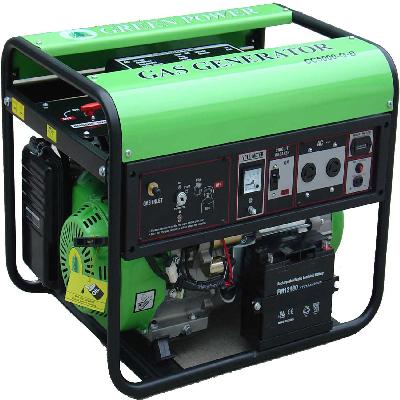
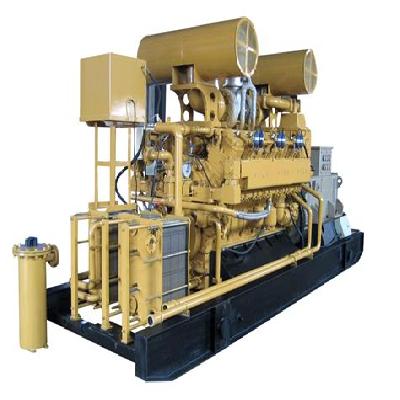
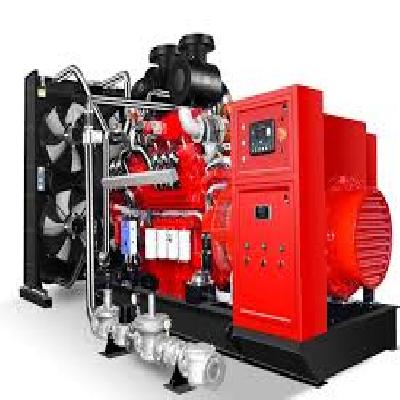
Biogas generator is an industrial equipment that converts biogas into electricity using a gas engine or an electrical generator. It is commonly used in agricultural and municipal settings to generate power from organic waste such as manure, wastewater, or plant material.
Where To Use Biogas Generator
Agricultural settings for powering farms, greenhouses, or irrigation systems.
Municipal settings for generating power from wastewater treatment plants or landfills.
Industrial settings for powering factories, warehouses, or other facilities.
Key Features Of Biogas Generator
High efficiency and reliability.
Low maintenance requirements.
Scalability to meet varying power demands.
Sustainable and environmentally friendly operation.
How To Use Biogas Generator
Collect biogas from waste sources and store it in a gas tank.
Pump the biogas into the generator engine or electrical generator.
Monitor and control the generator's output and efficiency.
Maintain the equipment regularly to ensure optimal performance.
How Biogas Generator Is Manufactured
The manufacturing process for biogas generators involves several stages, including design and development, material selection and procurement, component fabrication, assembly and testing, and quality control.
Technical Specification Of Biogas Generator
Power Output:
10-500 kW
Capacity:
100-1000 m3/h
Efficiency:
30-50%
Size:
Variable, depending on application
The technical specification of biogas generators is critical in determining their suitability for specific applications. The power output, capacity, efficiency, and size of the generator must be carefully matched to meet the energy demands of the facility or farm.
Description Of Biogas Generator
Biogas generators are industrial equipment designed to convert biogas into electricity using a gas engine or electrical generator. They are commonly used in agricultural and municipal settings to generate power from organic waste.
Related Products & Synonyms Of Biogas Generator
The related products of biogas generators include: