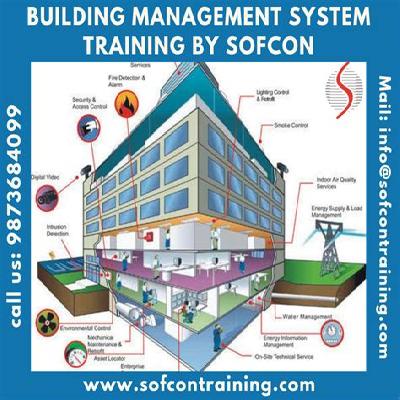
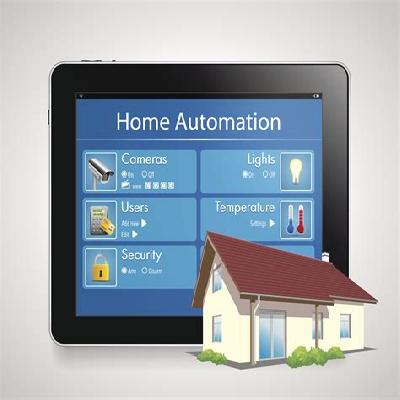
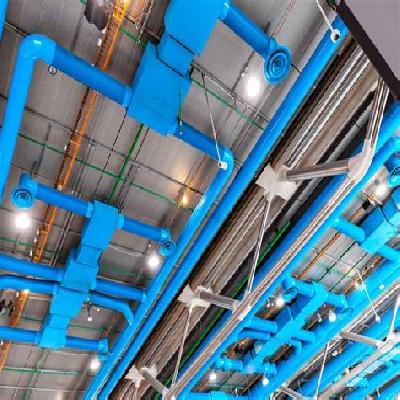
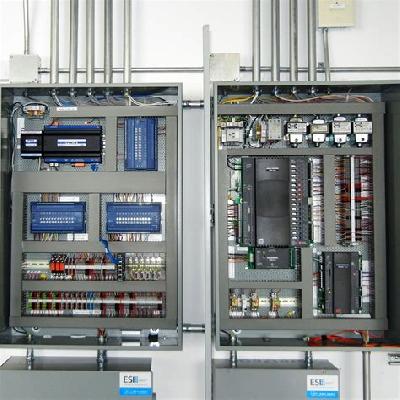
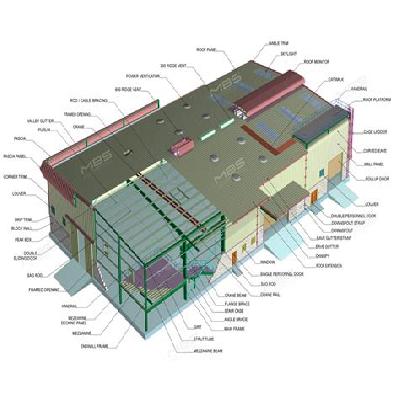
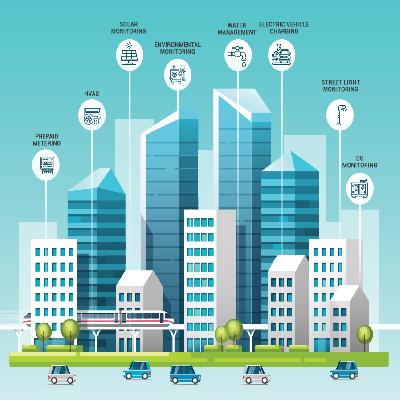
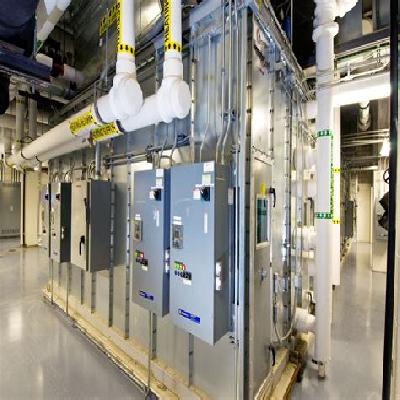
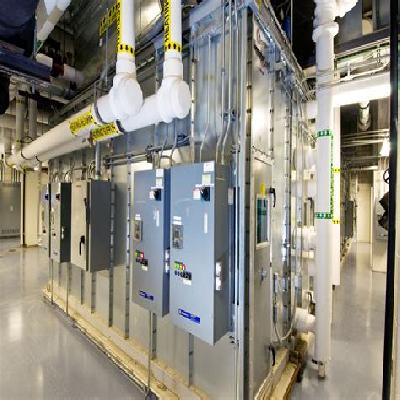
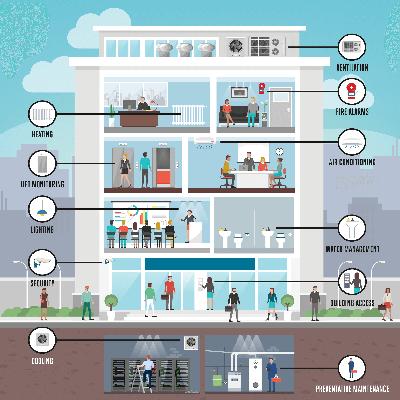
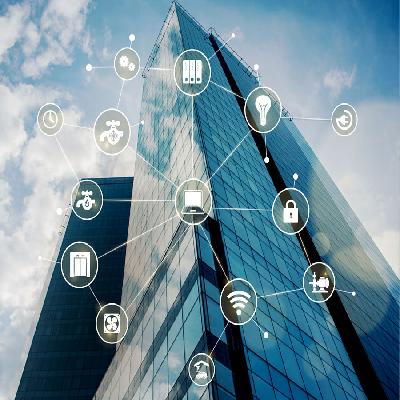
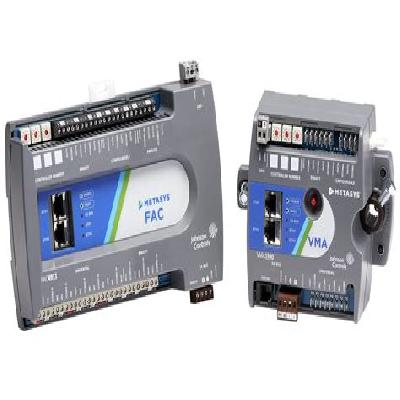
Building automation systems are advanced technologies used in buildings to control and monitor various systems, including heating, ventilation, air conditioning (HVAC), lighting, security, fire safety, and more. These systems use sensors, actuators, and controllers to gather data, make decisions, and take actions to optimize energy consumption, improve comfort, and enhance overall building performance.
Where To Use Building Automation Systems
Building automation systems can be applied in various types of buildings, including commercial offices, residential apartments, shopping centers, hospitals, schools, and industrial facilities. They are particularly useful in large or complex buildings where manual control and monitoring of multiple systems would be impractical.
Key Features Of Building Automation Systems
Automated control and monitoring of building systems
Energy efficiency optimization through data analysis and decision-making
Enhanced occupant comfort through precise temperature, lighting, and air quality control
Improved safety through advanced security and fire detection systems
Increased operational efficiency through automation of routine tasks
How To Use Building Automation Systems
Install sensors and actuators to gather data and control building systems
Program controllers to make decisions based on collected data
Monitor system performance through web-based or mobile applications
Maintain and update the system regularly to ensure optimal performance
How Building Automation Systems Is Manufactured
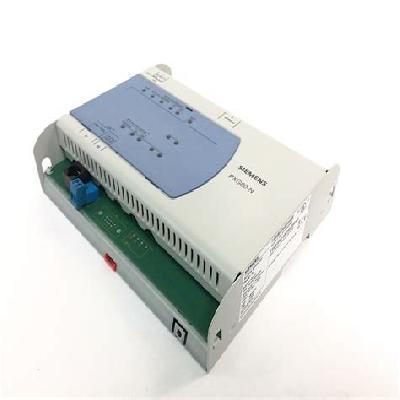
The manufacturing process of building automation systems involves several stages, including design and development, component sourcing, assembly, testing, and quality control. Manufacturers often collaborate with suppliers to source high-quality components, such as controllers, sensors, and actuators.
Technical Specification Of Building Automation Systems
Protocol Support
Modbus, BACnet, LON, etc.
Max I/O Capacity
1000+ inputs and outputs
Communication
Ethernet, Wi-Fi, RS-485, etc.
Power Supply
24V DC, 230V AC, etc.
Software
Web-based, mobile applications
The technical specification of building automation systems ensures that the system meets the required standards and performance levels. The protocol support enables seamless integration with other systems, while the max I/O capacity ensures efficient data processing. The communication capabilities enable remote monitoring and control, and the power supply ensures reliable operation even in harsh environments.
Description Of Building Automation Systems
Building automation systems are designed to optimize building performance, enhance occupant comfort, and improve operational efficiency. They use advanced technologies, such as sensors, actuators, and controllers, to gather data, make decisions, and take actions.
Related Products & Synonyms Of Building Automation Systems
The related products of building automation systems include smart lighting systems, HVAC control systems, security and access control systems, and energy management systems. The synonyms include intelligent building systems, automated building systems, and building management systems.