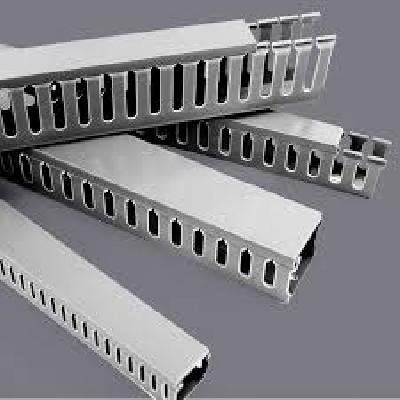
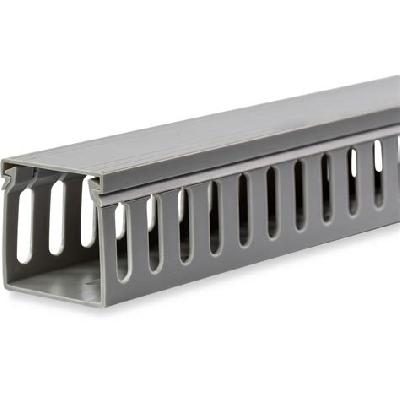
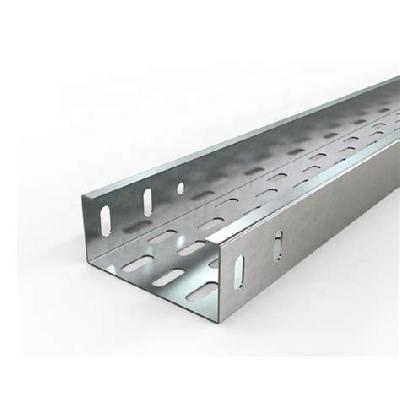
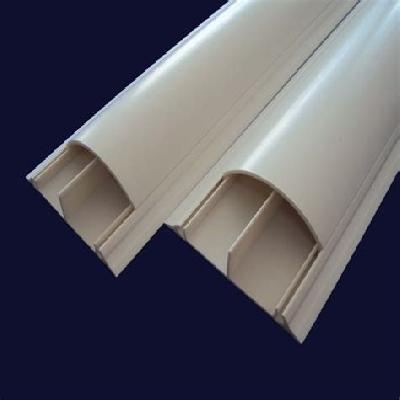
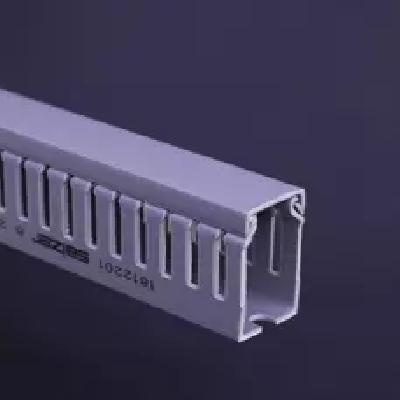
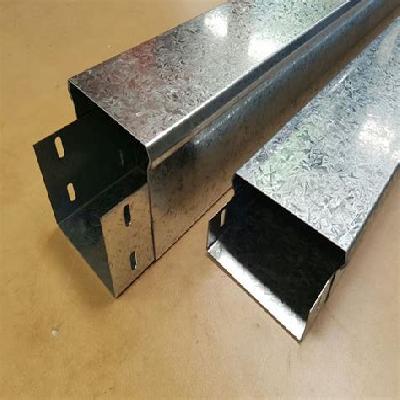
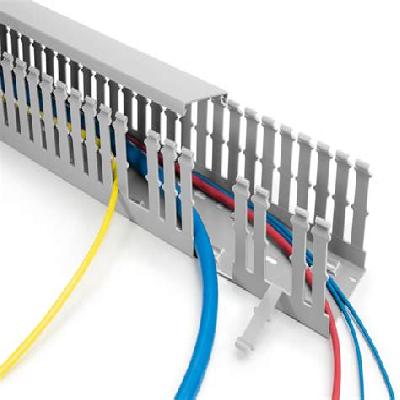
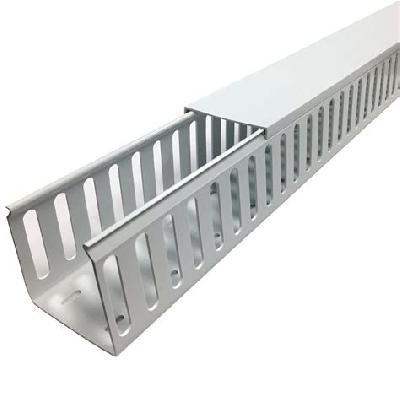
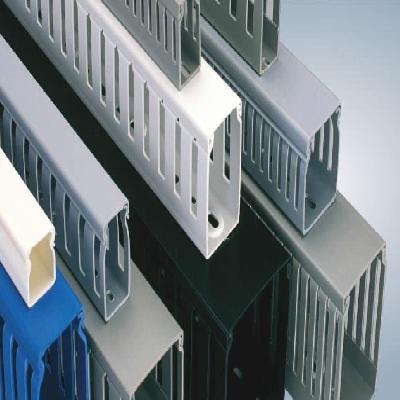
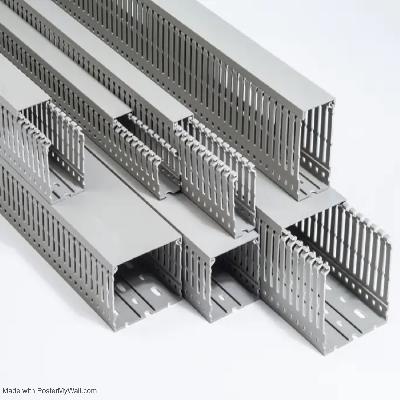
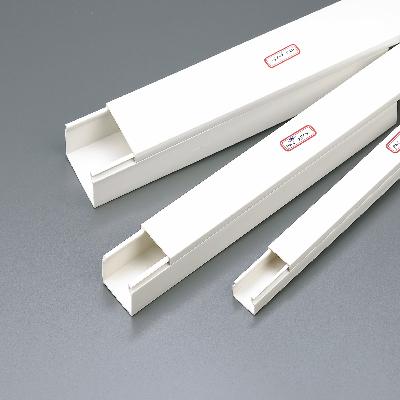
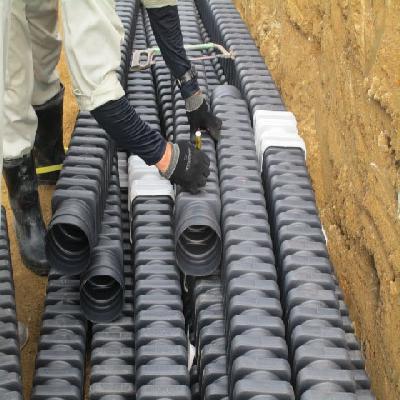
Cable ducts are protective enclosures for electrical cables, providing a safe and organized way to manage cable runs in various industrial settings.
Where To Use Cable Ducts
Cable ducts are commonly used in industrial settings, such as factories, power plants, and construction sites, where electrical cables need to be protected from damage, moisture, and wear.
Key Features Of Cable Ducts
Cable ducts provide a protective barrier against environmental factors such as moisture, dust, and chemicals.
They help organize cable runs, reducing clutter and improving safety.
Available in various sizes to accommodate different cable diameters.
How To Use Cable Ducts
Select the appropriate size of cable duct based on the diameter of the cables to be protected.
Cut the cable duct to the required length using a cable cutter or saw.
Insert the cables into the cable duct, ensuring they are not damaged during installation.
How Cable Ducts Is Manufactured
Cable ducts are typically made from PVC or metal materials, which undergo a process of extrusion or bending to create the desired shape and size.
Technical Specification Of Cable Ducts
Specification
Value
Width (mm)
50-100 mm
Height (mm)
20-50 mm
Thickness (mm)
1.5-3 mm
Length (m)
1-10 m
Material
PVC, Metal
The technical specification of cable ducts is designed to ensure durability and protection of electrical cables in various industrial applications. The width, height, thickness, length, and material specifications are critical factors to consider when selecting the appropriate cable duct for a specific project.
Description Of Cable Ducts
Cable ducts are designed to provide a safe and organized way to manage electrical cables in industrial settings.
Related Products & Synonyms Of Cable Ducts
Cable ducts are related to other products such as conduit systems, cable trays, and electrical enclosures. Some common synonyms for cable ducts include electric cable duct and metal cable duct.