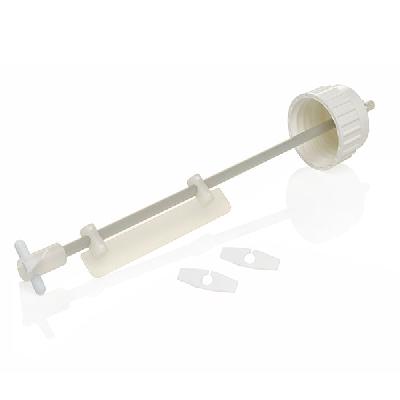
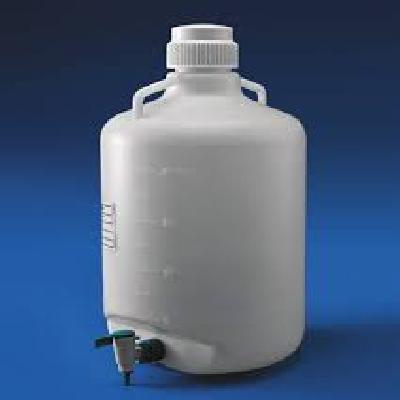
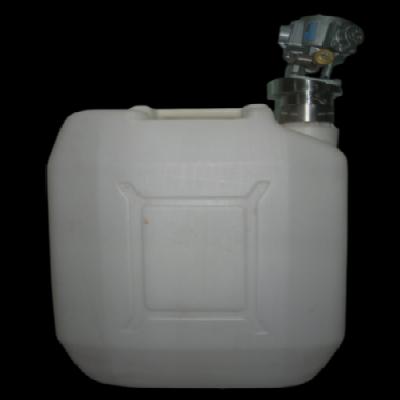
A carboy is a large, cylindrical container used for storing and transporting liquids. It is commonly employed in laboratories, chemical plants, and other industrial settings where bulk quantities of fluids need to be handled.
Where To Use Carboy
Carboys are typically used in applications where a large capacity container is required, such as:
Chemical processing and mixing
Laboratory research and testing
Water treatment and purification
Food and beverage industry for storage and transportation of liquids
Key Features Of Carboy
Large capacity: Carboys are designed to hold significant quantities of liquids, making them ideal for bulk storage and transportation.
Durable construction: Typically made from high-quality materials such as glass or plastic, carboys are built to withstand harsh chemical environments and heavy use.
Easy handling: Carboys often feature handles or other ergonomic design elements to facilitate safe and efficient transport.
Chemical resistance: Depending on the material used, carboys can resist corrosion from various chemicals, making them suitable for a range of applications.
How To Use Carboy
Ensure proper handling: Always handle carboys with care, using the provided handles or other ergonomic features to avoid accidents.
Check for compatibility: Verify that the carboy is compatible with the liquid being stored or transported to prevent damage or contamination.
Monitor temperature and pressure: Keep an eye on the temperature and pressure conditions within the carboy, as extreme fluctuations can cause damage or safety hazards.
How Carboy Is Manufactured
The manufacturing process for carboys typically involves several stages, including:
Material selection and procurement: Choose high-quality materials suitable for the intended application.
Molding or blowing: Use techniques like injection molding or glassblowing to create the carboy's shape and size.
Cutting and processing: Refine the edges, add handles, and perform any necessary finishing operations.
Technical Specification Of Carboy
Capacity:
10-200 liters
Height:
300-1200 mm
Diameter:
100-500 mm
Thickness:
2-10 mm
Material:
Glass, Plastic (PVC, PE, PP)
Shape:
Cylindrical
Closure Type:
Bung, Tap, Screw Cap
Temperature Resistance:
-20 to +150°C
The technical specifications listed above provide a general overview of the carboy's design and performance capabilities. When selecting a carboy for a specific application, it is essential to ensure that the chosen product meets the required standards and safety regulations.
Description Of Carboy
A carboy is a versatile, industrial-grade container designed for storing and transporting liquids in various industries. Its large capacity, durability, and ease of handling make it an essential tool in laboratories, chemical plants, and other settings where bulk quantities of fluids need to be handled.
Related Products & Synonyms Of Carboy
Some related products to the carboy include:
Drums: Larger containers for storing and transporting liquids, often used in industrial settings.
Bottles: Smaller containers for storing and transporting liquids, commonly used in laboratories and food industry applications.
Synonyms for the carboy include:
Demijohn: A large, cylindrical container used in laboratories and other settings.