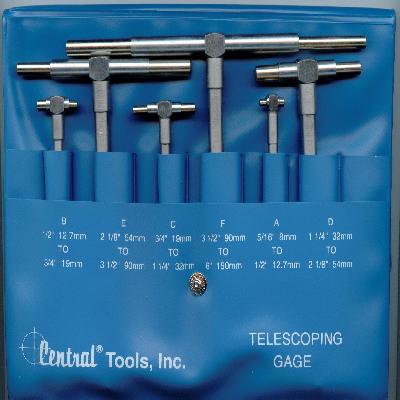
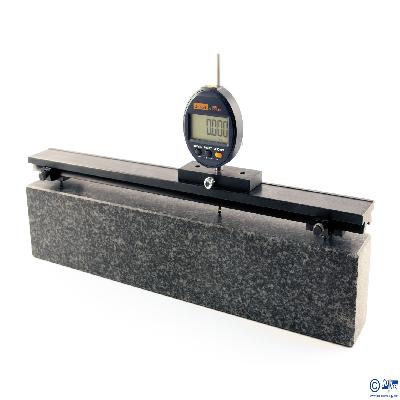
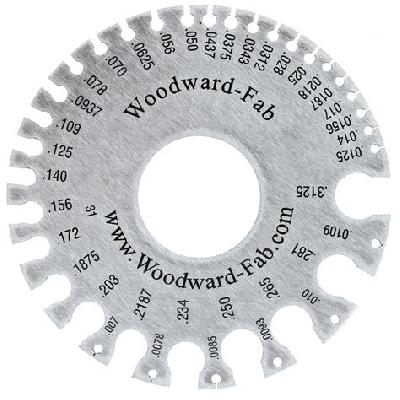
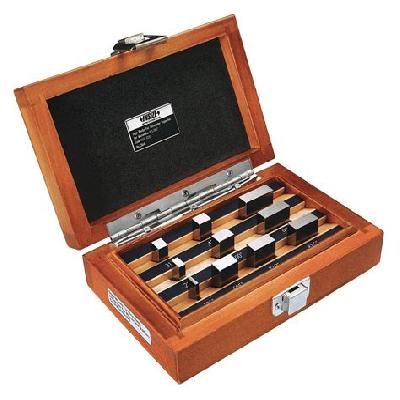
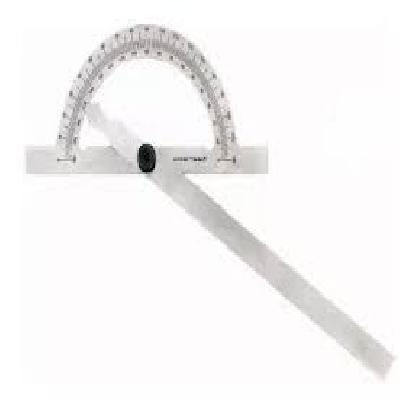
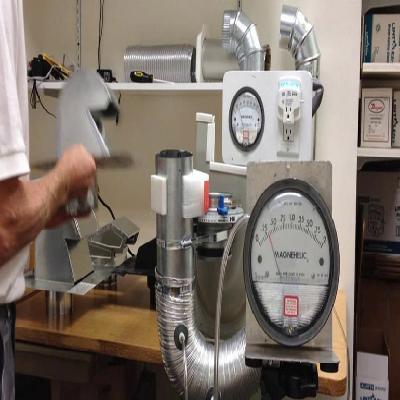
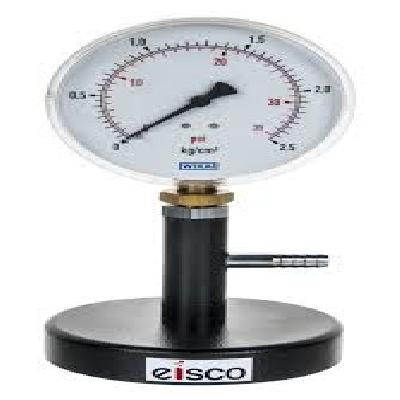
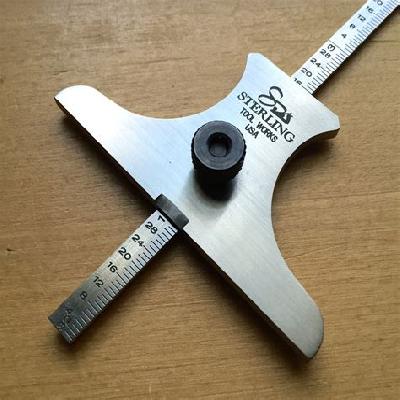
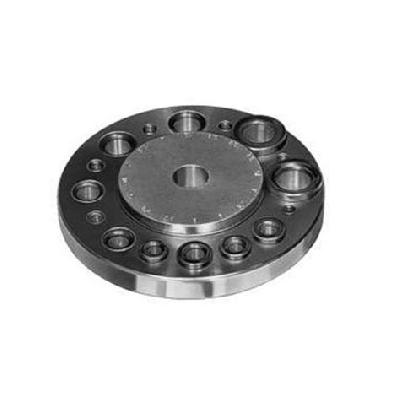
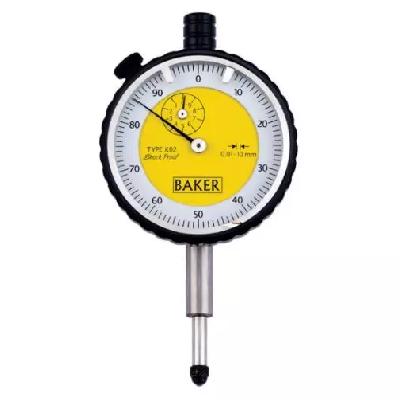
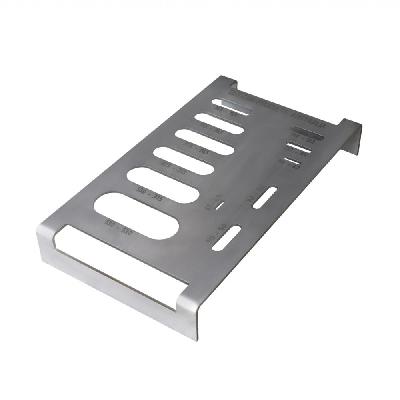
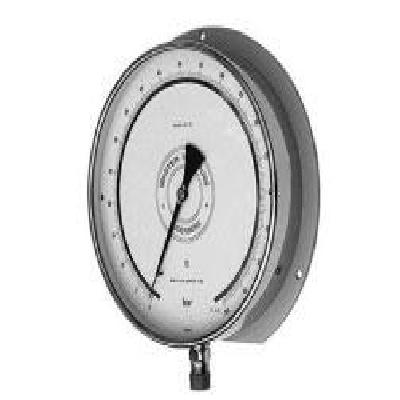
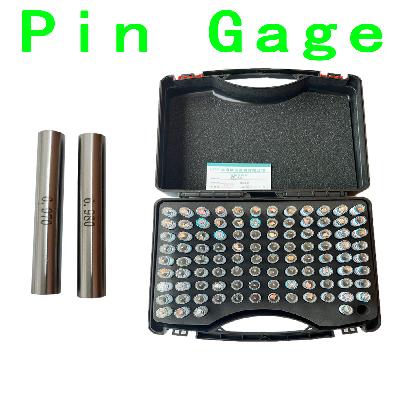
A checking gauge is a precision instrument used in industry to measure and verify the accuracy of parts, tools, or equipment. Its primary function is to ensure that dimensions are within specified tolerances, thereby preventing defects and ensuring quality.
Where To Use Checking Gauge
Checking gauges are commonly used in various industrial settings, including manufacturing facilities, quality control labs, and maintenance departments. They can be applied to a wide range of products, from mechanical components and fasteners to precision instruments and electronics.
Key Features Of Checking Gauge
High precision and accuracy in measurement
Durable construction to withstand repeated use
Easy-to-read scales or graduations for precise readings
Suitable for a variety of measurement tasks, including length, width, thickness, etc.
Material options (e.g., stainless steel, aluminum) for corrosion resistance and ease of cleaning
How To Use Checking Gauge
Ensure the checking gauge is properly calibrated and in good working condition
Select the appropriate scale or setting for the measurement task at hand
Place the part or object to be measured against the gauge, ensuring proper alignment
Take precise readings from the gauge's scales or graduations
Record measurements accurately and report any discrepancies or defects found
How Checking Gauge Is Manufactured
The manufacturing process for checking gauges typically involves the use of precision machining techniques, including turning and grinding. The selection of high-quality materials ensures durability and accuracy. Final assembly and calibration are critical steps in ensuring that each gauge meets performance specifications.
Technical Specification Of Checking Gauge
Measurement Range (mm):
50-200 mm
Measurement Depth (mm):
10-50 mm
Material:
Stainless Steel (304)
Accuracy:
±0.01 mm
Resolution:
0.01 mm
The technical specification of the checking gauge is designed to provide a clear understanding of its capabilities and limitations. The measurement range spans 50-200 mm, allowing for precise measurements in a variety of applications. The depth of measurement is adjustable between 10-50 mm, accommodating different part dimensions. Constructed from high-quality stainless steel (304), this gauge offers durability and resistance to corrosion. With an accuracy of ±0.01 mm and resolution of 0.01 mm, users can rely on precise readings for their quality control tasks.
Description Of Checking Gauge
A checking gauge is an essential tool for ensuring the accuracy of parts and tools in various industries. Its precise measurements help prevent defects, thereby maintaining product quality.
Related Products & Synonyms Of Checking Gauge
Checking gauges are related to other precision measuring tools, such as micrometers and calipers. Some synonyms for checking gauge include: