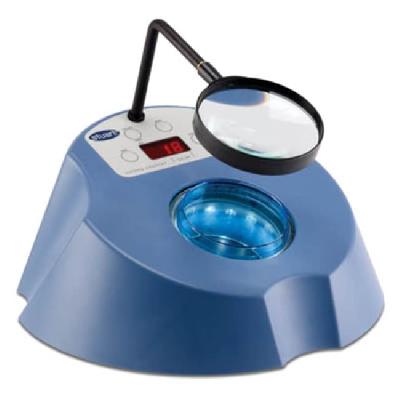
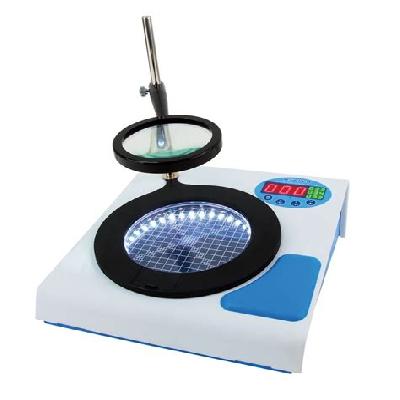
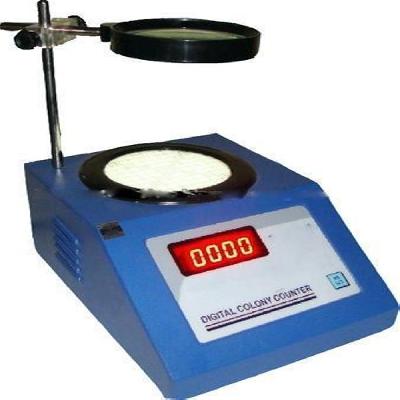
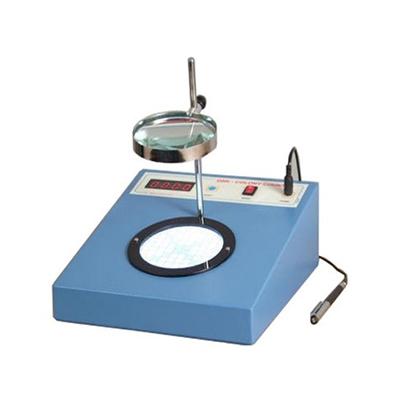
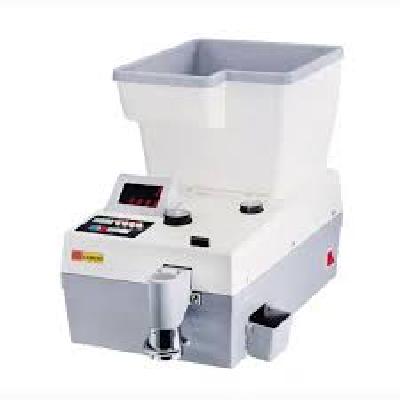
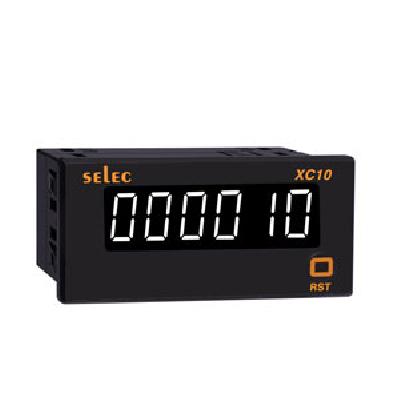
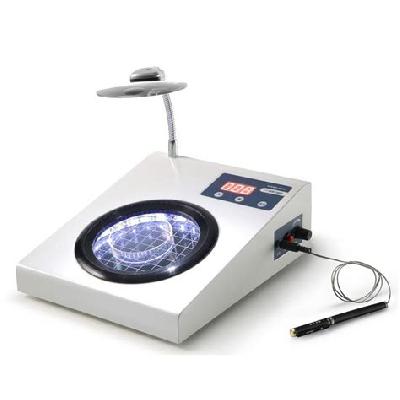
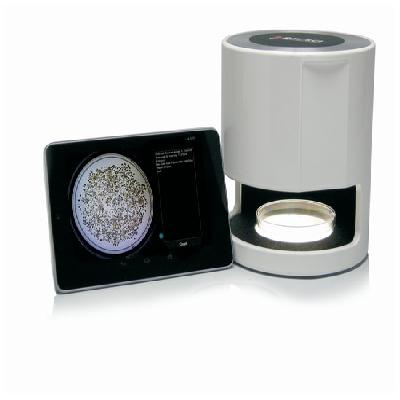
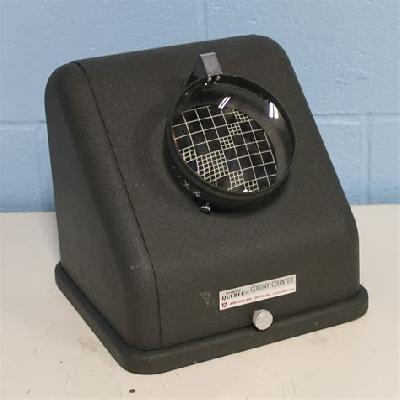
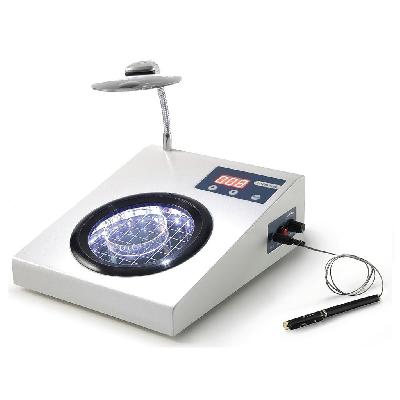
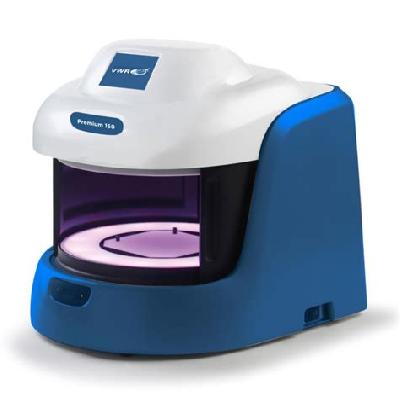
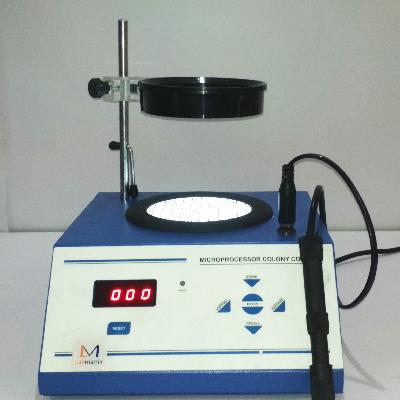
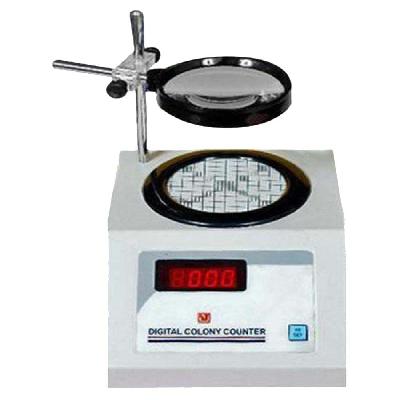
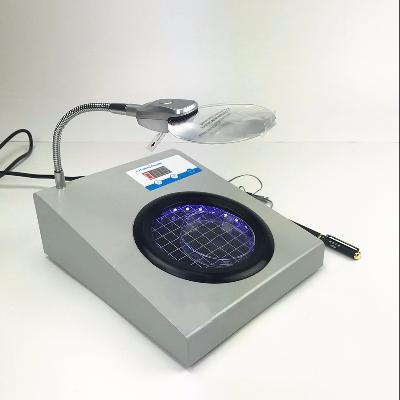
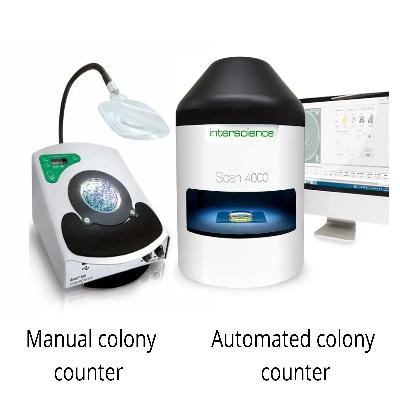
Colony counters are laboratory equipment designed to count and enumerate microbial colonies on agar plates. They are widely used in microbiological laboratories for quantifying bacterial or fungal growth.
Where To Use Colony Counters
Colony counters can be used in various settings including research laboratories, quality control departments of pharmaceutical companies, and diagnostic laboratories.
Key Features Of Colony Counters
Accurate and precise counting results
Easy to use and operate
Robust design for durability
Compact size for laboratory settings
How To Use Colony Counters
Place the agar plate under the counter's counting grid
Adjust the magnification and focus as required
Count the colonies using the display screen
Record the results for further analysis
How Colony Counters Is Manufactured
Colony counters are typically manufactured using high-quality materials and components, including metal or plastic frames, optical lenses, and electronic circuits.
Technical Specification Of Colony Counters
Magnification Range:
10x to 50x
Counting Range:
1 to 10,000 colonies
Counting Grid:
10x10 or 20x20 grid
Display Type:
LED display or touchscreen
Dimensions:
30x20x10 cm or custom size
Voltage:
120V or 230V
Frequency:
50Hz or 60Hz
Material:
Stainless steel or plastic
Counting Efficiency:
95% to 99%
The technical specifications of colony counters ensure accurate and reliable counting results, making them a crucial tool in microbiological laboratories.
Description Of Colony Counters
Colony counters are designed to provide a user-friendly and accurate way of counting microbial colonies on agar plates. They offer high precision, ease of use, and robust design, making them an essential tool in various laboratory settings.
Related Products & Synonyms Of Colony Counters
Some related products to colony counters include agar platers, microbial growth analyzers, and bioreactors. The synonyms for colony counters are digital colony counter.