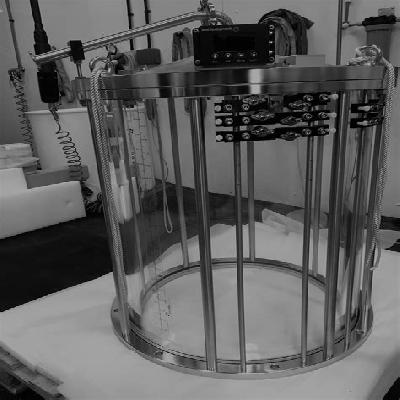
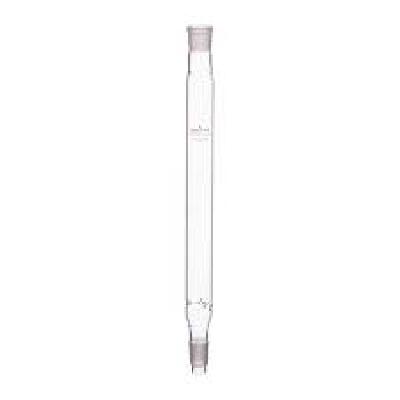
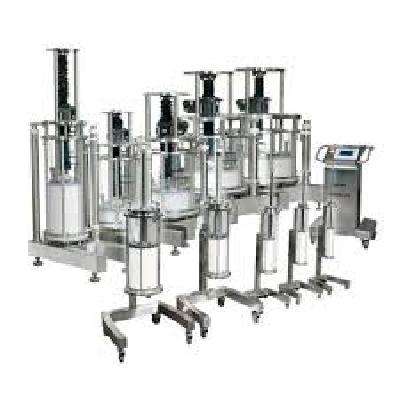
Column chromatography is a laboratory technique used to separate, identify, and quantify the components of a mixture based on their physical and chemical properties. It involves passing a sample through a column filled with a stationary phase, which interacts with the molecules in the sample to separate them according to their affinity for the stationary phase.
Where To Use Column Chromatography
Column chromatography is widely used in various industries, including pharmaceuticals, biotechnology, and research institutions. It is particularly useful for analyzing complex mixtures of compounds, such as pharmaceutical formulations, biological samples, and environmental pollutants.
Key Features Of Column Chromatography
High-resolution separation of components
Excellent detection sensitivity and specificity
Robust and reliable analytical technique
Wide range of applications in various industries
How To Use Column Chromatography
Prepare the sample by dissolving or dispersing it in a suitable solvent
Pour the sample into the column, which is packed with a stationary phase
Allow the sample to pass through the column under controlled conditions (e.g., temperature, pressure)
Collect the eluted components and analyze them using various detection methods (e.g., UV-Vis spectroscopy, mass spectrometry)
How Column Chromatography Is Manufactured
Column chromatography instruments are manufactured by reputable companies that specialize in laboratory equipment and supplies. The manufacturing process involves several stages, including design, prototyping, testing, and quality control.
Technical Specification Of Column Chromatography
Column Length
10-50 cm
Column Diameter
1-5 mm
Particle Size Range
5-20 ?m
Pressure Range
1-100 bar
Column Material
Glass, stainless steel, or PEEK
The technical specifications of column chromatography instruments are designed to ensure optimal performance and reliability in various laboratory settings. The specifications include the column length, diameter, particle size range, pressure range, and column material, which can be customized according to the specific needs of each application.
Description Of Column Chromatography
Column chromatography is a laboratory technique used to separate, identify, and quantify the components of a mixture based on their physical and chemical properties. It involves passing a sample through a column filled with a stationary phase, which interacts with the molecules in the sample to separate them according to their affinity for the stationary phase.
Related Products & Synonyms Of Column Chromatography
The related products of column chromatography include other laboratory instruments and supplies, such as high-performance liquid chromatography (HPLC) systems, gas chromatography (GC) systems, and mass spectrometers. The synonyms of column chromatography include paper chromatography, thin-layer chromatography, and partition chromatography.