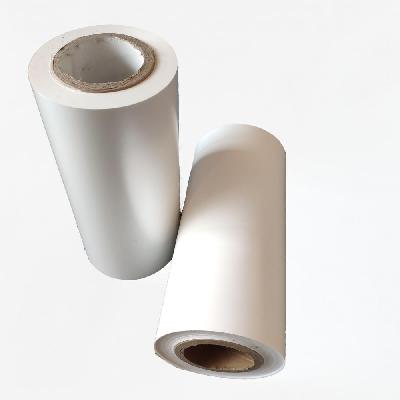
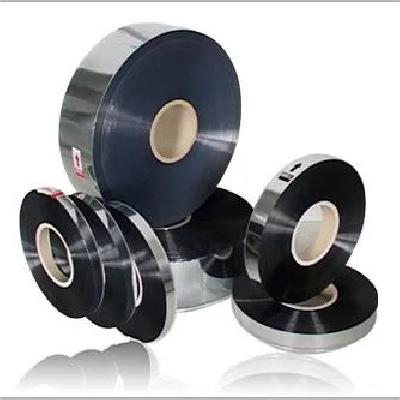
Conductive film is a type of material used for various industrial applications. It is designed to provide electrical conductivity while protecting the surface from damage.
Where To Use Conductive Film
Industrial equipment
Electrical circuits
Machines requiring surface protection
Key Features Of Conductive Film
High electrical conductivity
Flexible and durable surface protection
Easy to apply and remove
Wide range of thickness options available
How To Use Conductive Film
Clean the surface thoroughly before application
Apply a thin layer of conductive film to the desired area
Ensure proper adhesion and electrical connection
Use tools or equipment for precision application
How Conductive Film Is Manufactured
Conductive film is manufactured through a combination of raw material selection, processing techniques, and quality control measures. The exact process may vary depending on the manufacturer and specific product requirements.
Technical Specification Of Conductive Film
Thickness (?m)
50-200
Conductivity (S/m)
1E-3 - 1E+5
Surface Type
Adhesive, non-adhesive, or custom
Resistance (?)
10^3 - 10^9
Material
Metals, alloys, or composites
The technical specifications of conductive film are critical in determining its performance and suitability for various applications. Thickness and conductivity are key factors, as they directly affect the material's electrical properties. Surface type, resistance, and material selection also play important roles in ensuring optimal performance.
Description Of Conductive Film
Conductive film is a versatile material designed to provide electrical conductivity while protecting surfaces from damage. Its applications span various industries, including electronics, aerospace, and automotive.
Related Products & Synonyms Of Conductive Film
Conductive tape
Electrical shielding material
Synonyms of conductive film include surface protection film and electrical shielding material.