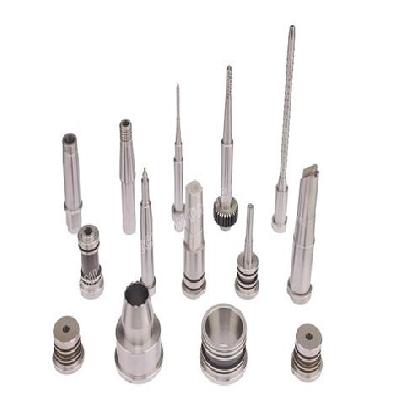
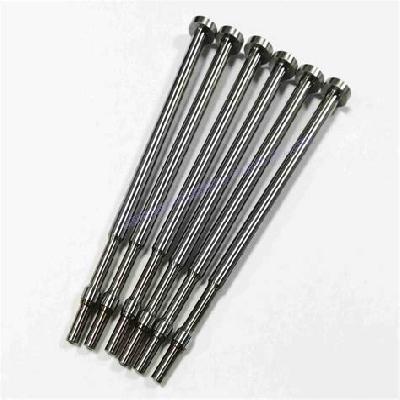
Core pins are small, cylindrical metal rods used in various industrial applications for holding and securing parts together.
Where To Use Core Pins
Bicycle and rickshaw manufacturing for assembling parts
General engineering for holding and securing components
Precision machinery for delicate operations
Key Features Of Core Pins
Available in various diameters to suit different applications
Manufactured from durable materials such as steel, brass, or aluminum
Can be coated with a range of surface finishes for enhanced performance
Features precise tip shapes for optimal engagement and security
How To Use Core Pins
Insert core pins into pre-drilled holes or recesses
Tighten firmly to ensure secure holding and assembly
Verify alignment and positioning for optimal performance
Inspect regularly for signs of wear or damage
How Core Pins Is Manufactured
Core pins are manufactured through a combination of machining and manufacturing processes, including turning, grinding, and coating.
Technical Specification Of Core Pins
Diameter (mm)
2.5 - 10 mm
Length (mm)
20 - 100 mm
Material
Steel, Brass, Aluminum
Surface Finish
Chromium Plating, Zinc Plating, Hard Anodizing
Tip Shape
Cone-shaped, Flat-tipped, Pointed
The technical specifications of core pins are critical to their performance and suitability for various applications. The diameter and length of the pin must be carefully selected to match the specific requirements of the assembly or machine. The material used for manufacturing the core pin should be chosen based on its strength, corrosion resistance, and compatibility with other components. Surface finish is also crucial as it affects the ease of insertion and removal of the pin. Finally, the tip shape of the core pin must be designed to ensure optimal engagement and security in the assembly.
Description Of Core Pins
Core pins are small, cylindrical metal rods used in various industrial applications for holding and securing parts together.