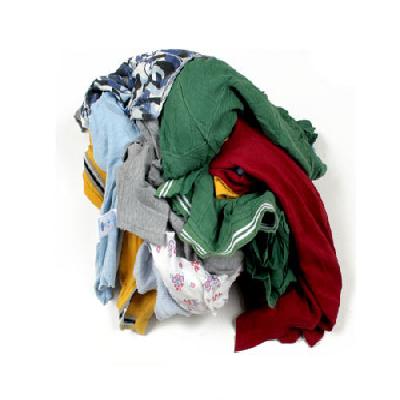
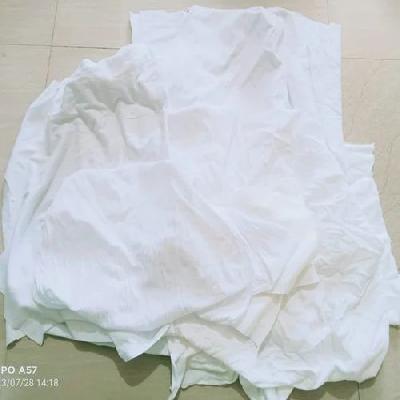
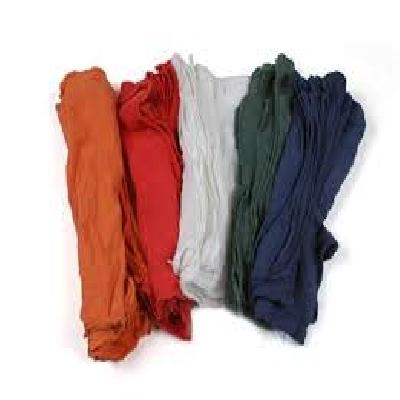
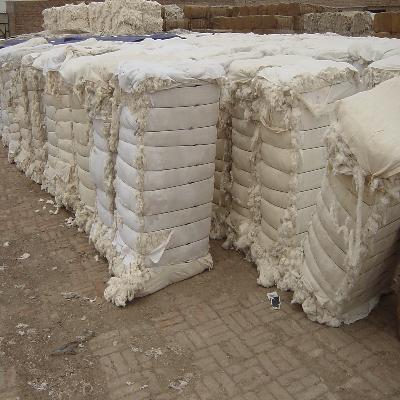
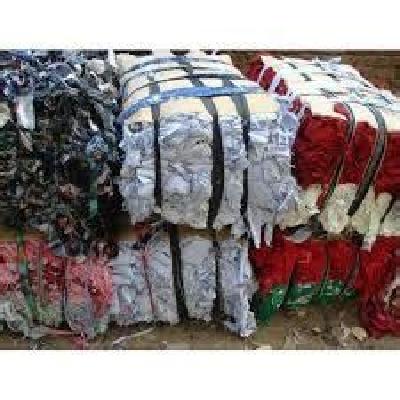
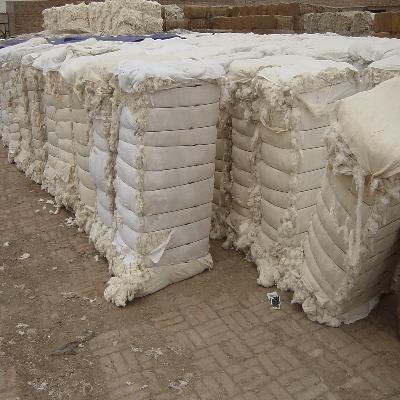
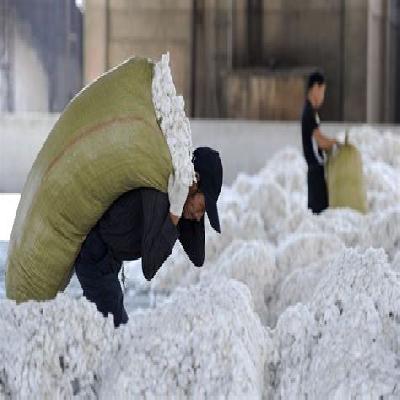
Cotton waste is a by-product of the cotton industry, generated during the manufacturing process of textiles. It consists of fragments of cotton fibers, often in the form of small pieces or fibers that are too short to be used as yarn.
Where To Use Cotton Waste
Cotton waste can be used as a filling material in pillows, mattresses, and other bedding products.
It can also be used as a component in the production of paper and cardboard products.
In some cases, cotton waste is used as a natural dye or pigment in textile production.
Key Features Of Cotton Waste
High absorbency and moisture-wicking properties.
Sustainable and eco-friendly alternative to synthetic materials.
Possesses natural insulation and thermal properties.
How To Use Cotton Waste
Cotton waste can be used as a natural fiber for textile production, such as clothing and home textiles.
It can also be converted into pulp for paper production or used as a filling material in furniture and bedding products.
In some cases, cotton waste is used as a component in the production of biodegradable plastics and composites.
How Cotton Waste Is Manufactured
Cotton waste is generated during the ginning and spinning processes of cotton production. The fragments are collected, cleaned, and processed into a usable form for various applications.
Technical Specification Of Cotton Waste
Cotton Waste Type:
Gray, White
Color:
Natural
Weight (g/m2):
200-400 g/m2
Thickness (mm):
1-3 mm
Texture:
Fibrous, Soft
Packing:
Bags, Jumbo Bags
The technical specification of cotton waste includes various parameters such as type, color, weight, thickness, texture, and packing. The specifications can vary depending on the intended application and industry requirements.
Description Of Cotton Waste
Cotton waste is a natural, biodegradable material with various uses in the textile and paper industries. It is an eco-friendly alternative to synthetic materials and can be used as a filling material in pillows, mattresses, and other bedding products.