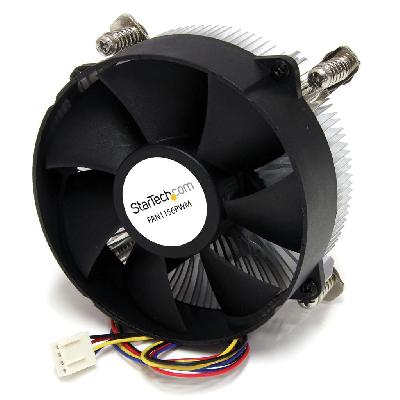
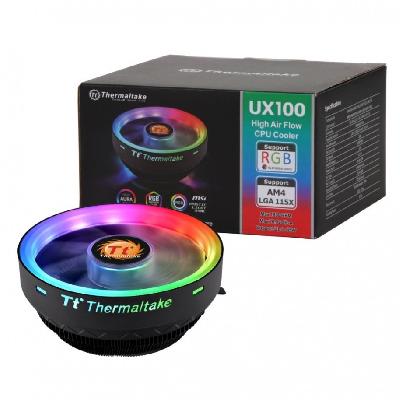
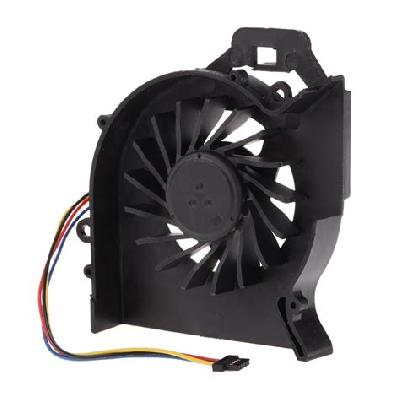
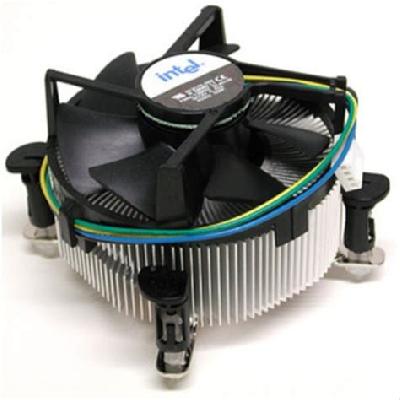
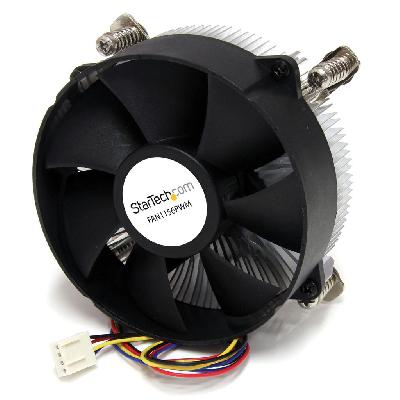
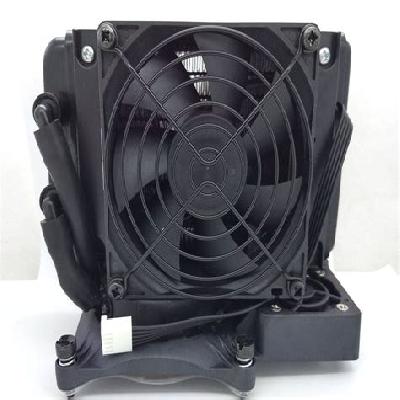
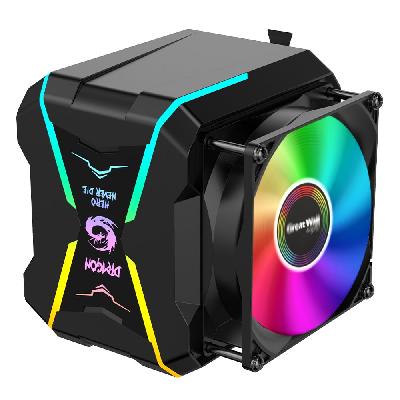
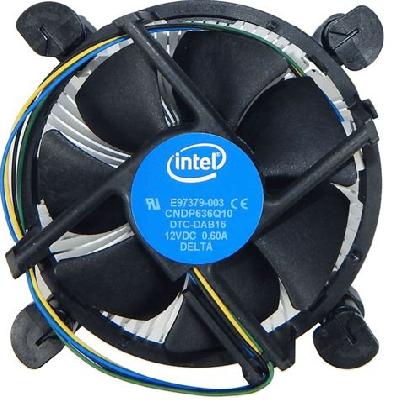
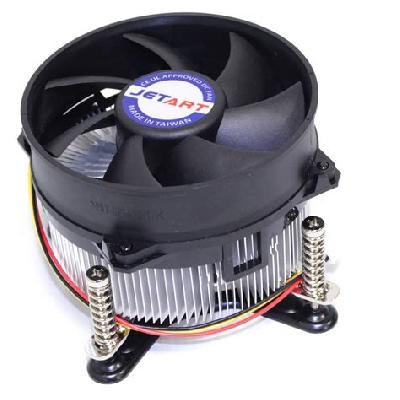
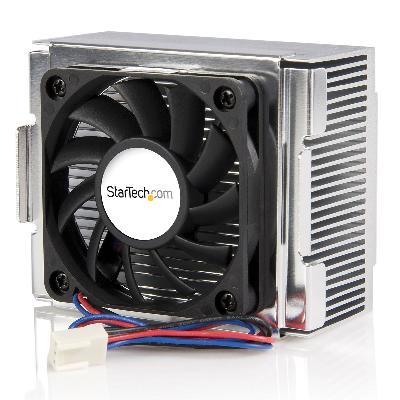
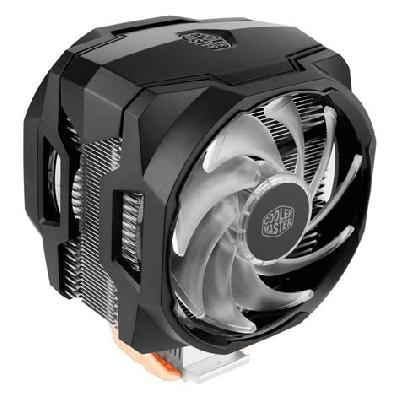
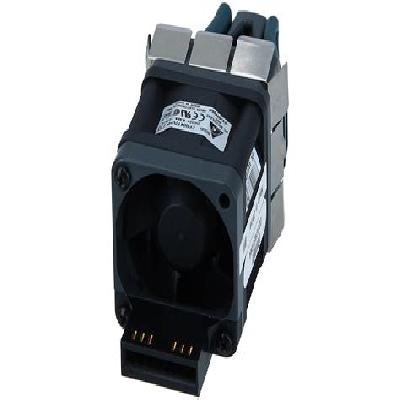
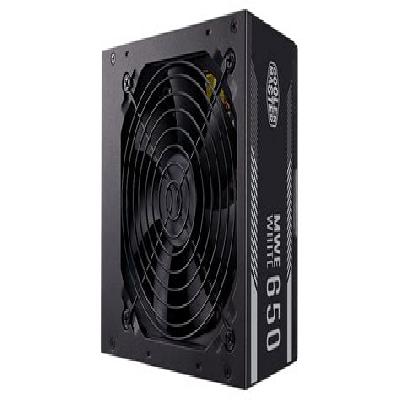
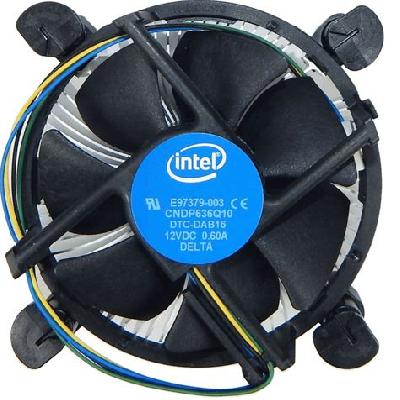
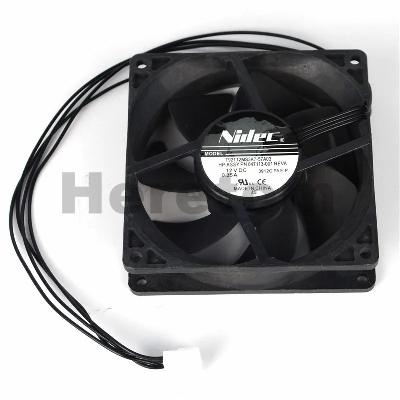
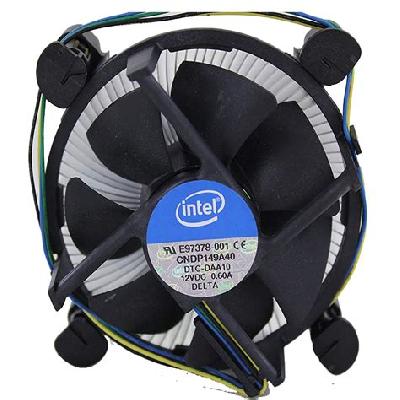
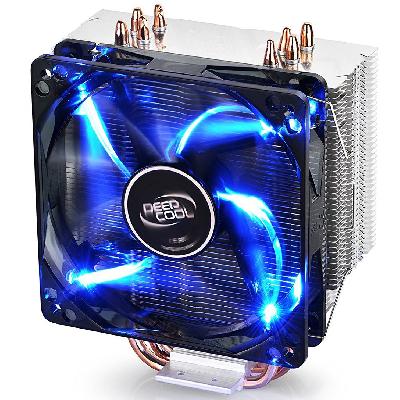
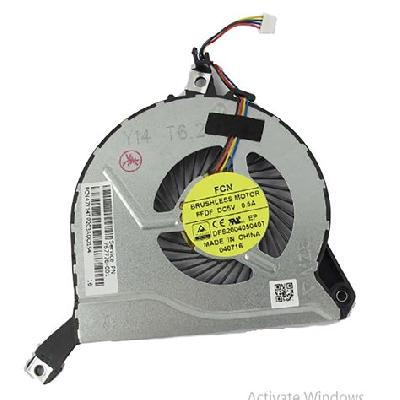
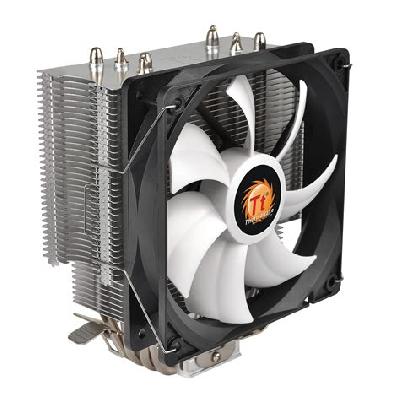
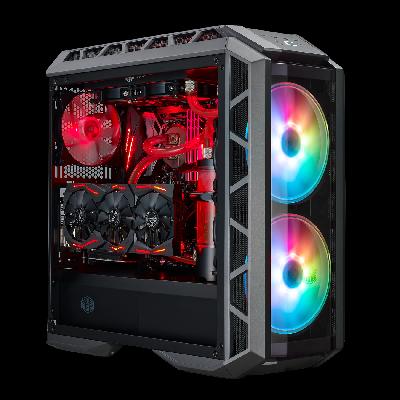
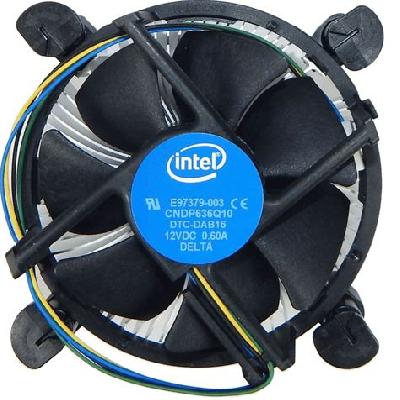
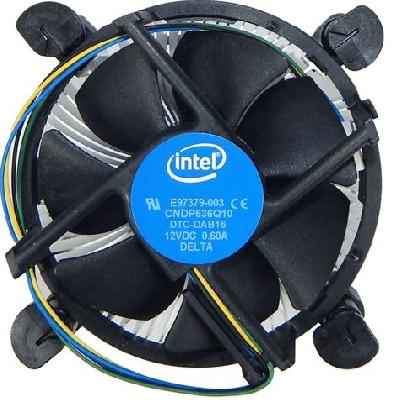
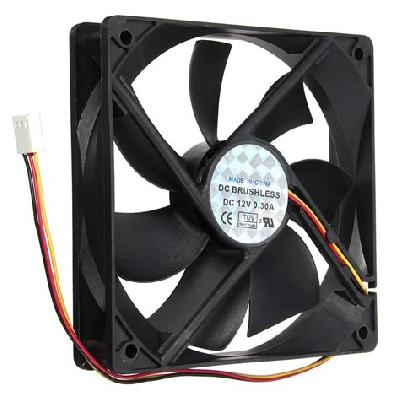
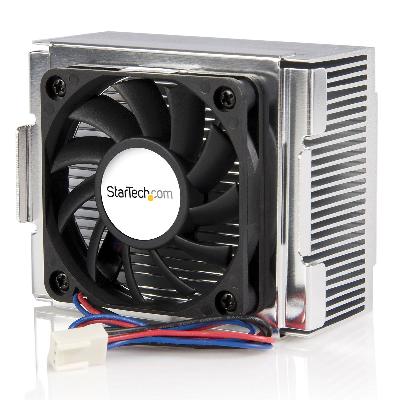
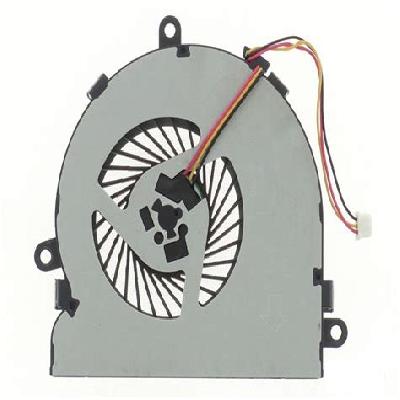
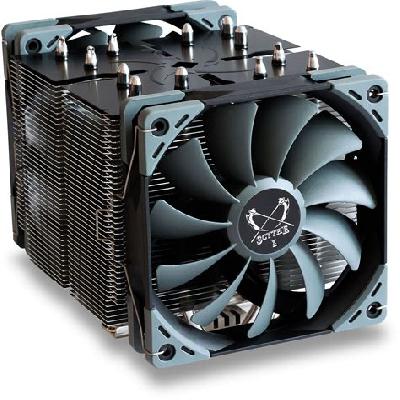
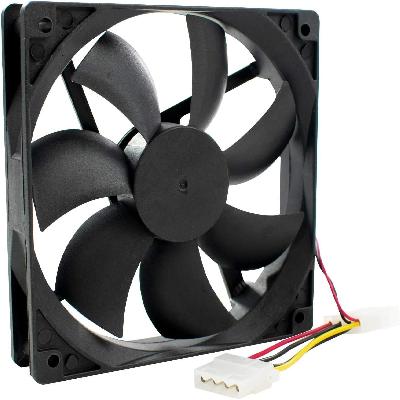
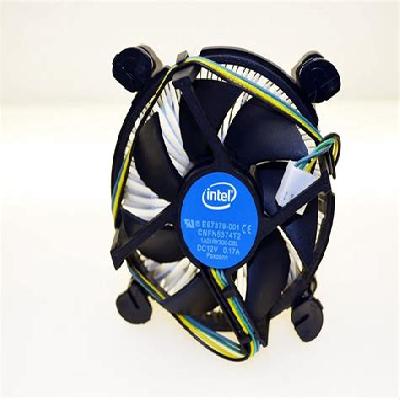
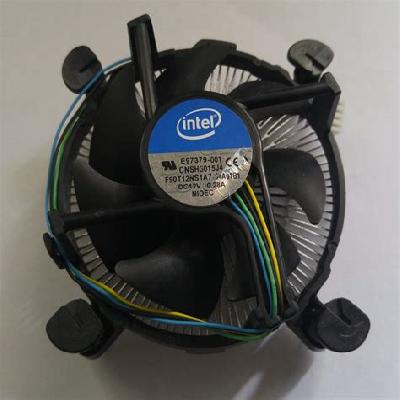
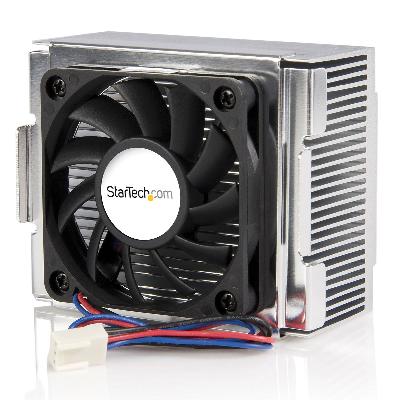
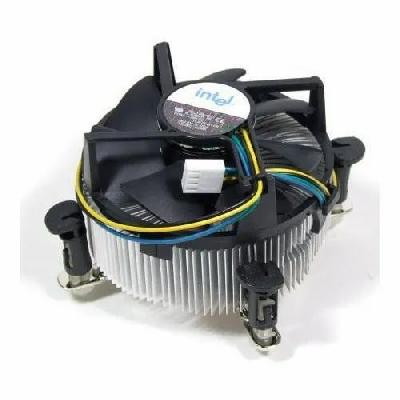
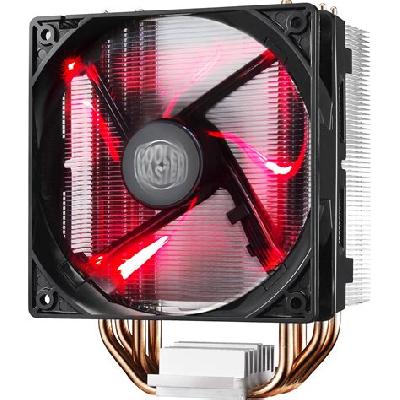
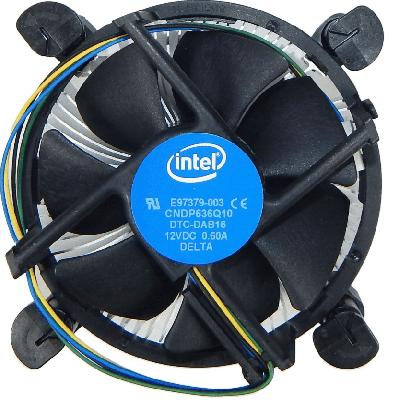
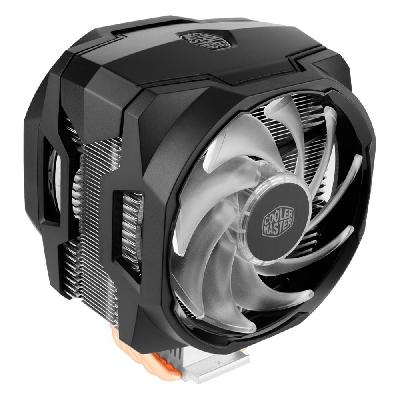
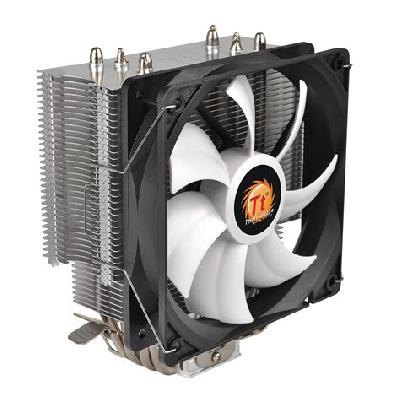
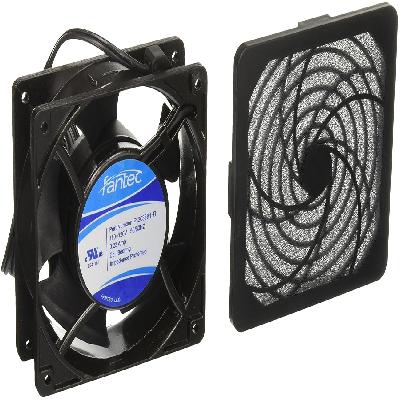
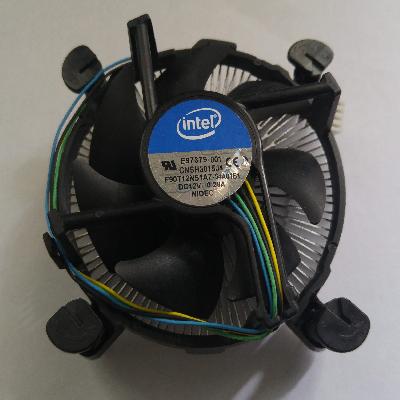
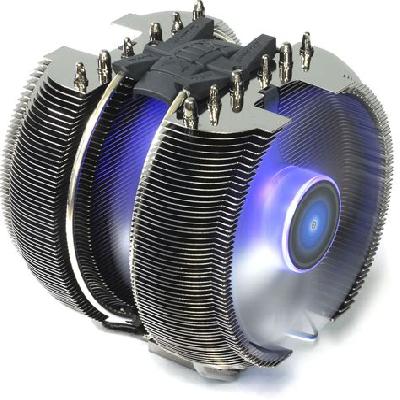
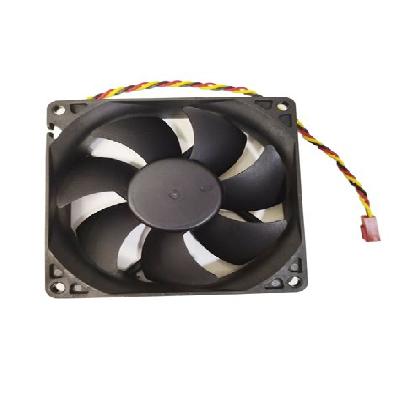
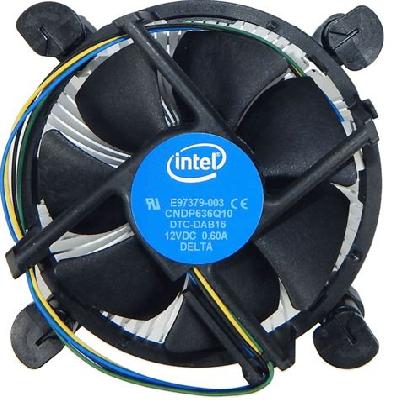
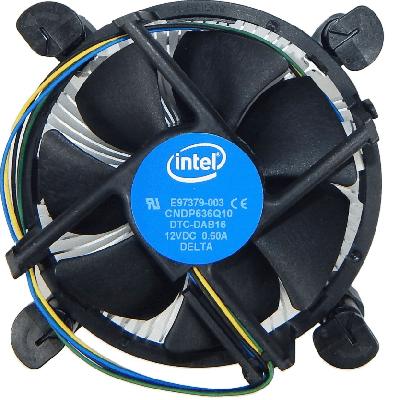
A CPU fan is a type of cooling device designed to dissipate heat from the central processing unit (CPU) of a computer system. It works by drawing hot air away from the CPU and expelling it outside the system, thus maintaining optimal temperatures for efficient performance.
Where To Use Cpu Fan
CPU fans are used in a wide range of applications, including desktop computers, laptops, servers, and data centers. They are particularly essential for systems that operate under high temperatures or are subject to heavy workloads.
Key Features Of Cpu Fan
Designed to provide efficient cooling for CPU processors
Low noise operation for minimal disruption
Durable construction for long-term reliability
Easy installation and maintenance
How To Use Cpu Fan
Mount the fan onto the CPU heat sink or directly to the motherboard
Connect power cables according to manufacturer instructions
Adjust fan settings for optimal performance and noise levels
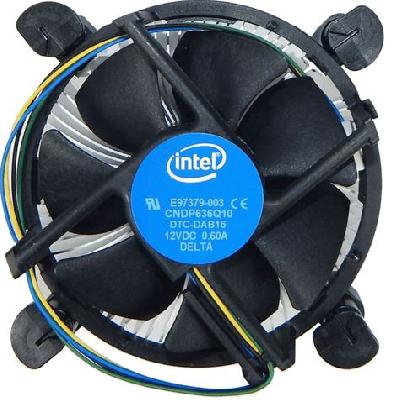
Maintain regular cleaning to ensure efficient airflow
How Cpu Fan Is Manufactured
The manufacturing process of CPU fans involves several stages, including design and prototyping, tooling and molding, assembly and quality control, and testing and packaging.
Technical Specification Of Cpu Fan
Ventilation Fan Size (mm):
120-140 mm
RPM Range:
800-1500 RPM
Airflow (CFM):
15-25 CFM
Noise Level (dBA):
20-30 dBA
The technical specifications of CPU fans are critical in determining their suitability for various applications. The ventilation fan size, RPM range, airflow, and noise level all play important roles in ensuring optimal performance and reliability.
Description Of Cpu Fan
A CPU fan is an essential component of computer systems, designed to dissipate heat from the CPU and maintain optimal temperatures for efficient performance.
Related Products & Synonyms Of Cpu Fan
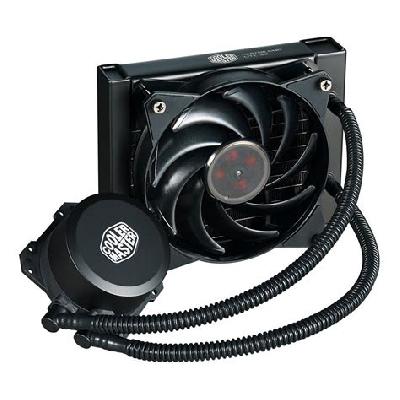
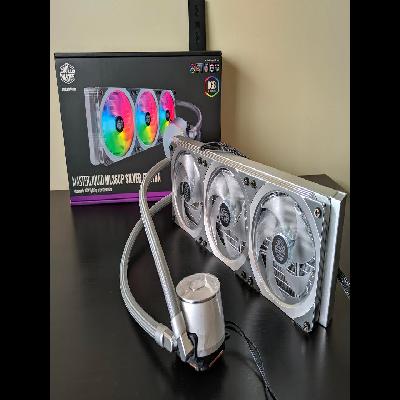
The CPU fan is related to other cooling devices such as liquid coolers and heat sinks. It is also known by synonyms such as computer fan and CPU cooling fans.