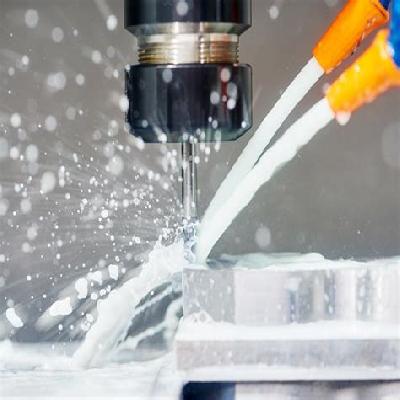
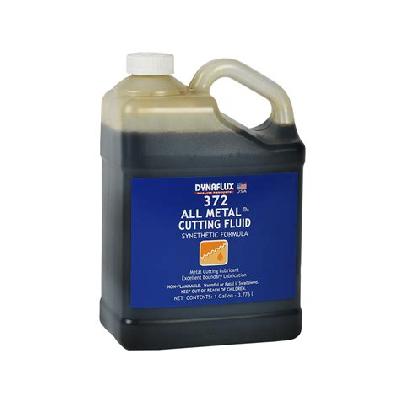
Cutting fluids are a type of industrial lubricant designed to improve the efficiency and accuracy of machining operations, such as turning, milling, and drilling. They work by reducing friction between cutting tools and workpieces, thereby minimizing heat generation and tool wear.
Where To Use Cutting Fluids
Cutting fluids are used in a variety of industries, including automotive, aerospace, and general machinery manufacturing. They are typically applied to the cutting tool or workpiece before machining operations begin.
Key Features Of Cutting Fluids
Reduced friction and wear on cutting tools
Improved machining efficiency and accuracy
Minimized heat generation and tool damage
Enhanced surface finish and dimensional consistency
How To Use Cutting Fluids
Apply a thin layer of cutting fluid to the cutting tool or workpiece before machining
Monitor and adjust fluid application as needed to maintain optimal machining conditions
Avoid overuse, which can lead to reduced fluid effectiveness and increased waste
How Cutting Fluids Is Manufactured
Cutting fluids are typically formulated from a combination of base oils, additives, and other chemicals. The manufacturing process involves mixing these components in specific proportions, followed by quality control testing to ensure consistency and performance.
Technical Specification Of Cutting Fluids
Viscosity:
22-28 cSt at 40°C
Density:
0.88-0.92 g/cm³ at 20°C
Flash Point:
145-155°C
The technical specifications of cutting fluids are critical in ensuring their effectiveness and safety in various machining applications. Viscosity, density, and flash point are key parameters that influence the performance and handling characteristics of these fluids. A proper balance between these factors is essential to achieve optimal results in terms of tool life, surface finish, and dimensional accuracy.
Description Of Cutting Fluids
Cutting fluids are a type of industrial lubricant designed to improve the efficiency and accuracy of machining operations.