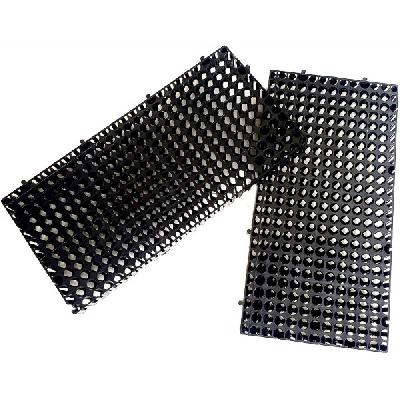
Drainage cell is a type of drainage material used in construction projects to manage and direct water flow away from buildings and structures.
Where To Use Drainage Cell
Drainage cell can be used in a variety of applications, including:
Basements and foundations
Roofs and walls
Parking garages and driveways
Civil engineering projects such as roads and highways
Key Features Of Drainage Cell
High load-bearing capacity
Durable and resistant to corrosion
Easy to install and maintain
Customizable cell size range
How To Use Drainage Cell
Ensure the drainage cell is installed according to manufacturer's instructions
Verify the correct cell size range for the project requirements
Cut and fit the cells together to create a seamless system
Connect the drainage cells to a proper drainage outlet
How Drainage Cell Is Manufactured
Drainage cells are typically manufactured using high-quality plastic materials and through a process of injection molding.
Technical Specification Of Drainage Cell
Cell Size Range (mm):
300-500 mm
Thickness (mm):
20-30 mm
Material:
HDPE (High-Density Polyethylene)
Load Capacity (kN/m²):
50-100 kN/m²
The technical specification of the drainage cell provides a comprehensive overview of its design and performance capabilities, enabling engineers and architects to make informed decisions when specifying this product for construction projects.
Description Of Drainage Cell
The drainage cell is a versatile and reliable solution for managing water flow in various construction applications.