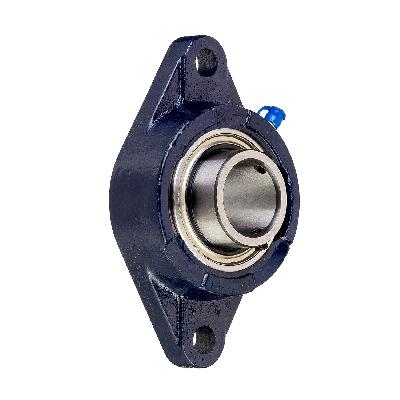
Dry bearings are a type of bearing that uses no lubrication to reduce friction between moving parts. They rely on dry friction, which is the friction that occurs when two surfaces slide against each other without any lubricant.
Where To Use Dry Bearings
Dry bearings are commonly used in applications where lubrication is not feasible or would be difficult to maintain.
They are often used in high-temperature environments, as they can withstand extreme temperatures without the risk of lubricant degradation.
Dry bearings are also used in applications where space is limited and traditional bearings with lubricants would take up too much room.
Key Features Of Dry Bearings
No lubrication required, reducing maintenance needs.
High temperature resistance.
Compact design.
Low noise operation.
How To Use Dry Bearings
Ensure proper installation, following manufacturer guidelines.
Regularly inspect for wear and damage.
Avoid overloading or excessive stress on the bearing.
How Dry Bearings Is Manufactured
The manufacturing process for dry bearings involves several steps, including material selection, machining, and quality control.
Technical Specification Of Dry Bearings
Inner Diameter (mm):
40-200
Outer Diameter (mm):
50-250
Length (mm):
30-150
Load Capacity (kg):
5-50
The technical specification of dry bearings outlines the critical dimensions and performance characteristics that ensure proper operation in various applications.
Description Of Dry Bearings
Dry bearings are designed to operate in dry environments without the need for lubrication. They consist of a solid, non-rotating component that supports a rotating shaft or other moving part.
Related Products & Synonyms Of Dry Bearings
The primary related products to dry bearings are other types of bearings, such as ball bearings and roller bearings. Synonyms for dry bearings include "frictionless bearings," "self-lubricating bearings," and "dry friction bearings."