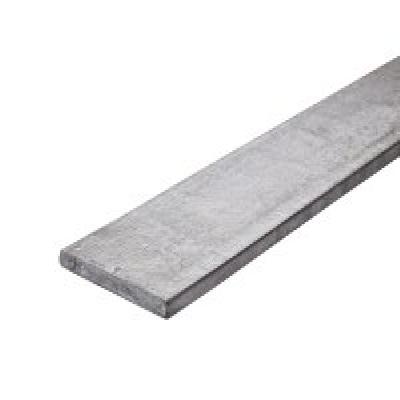
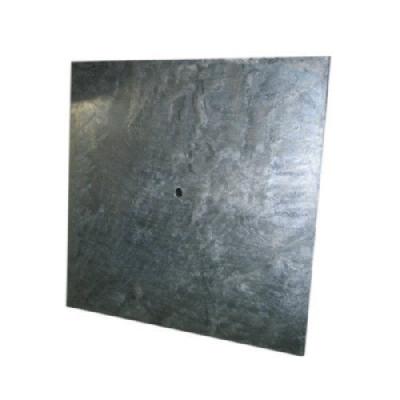
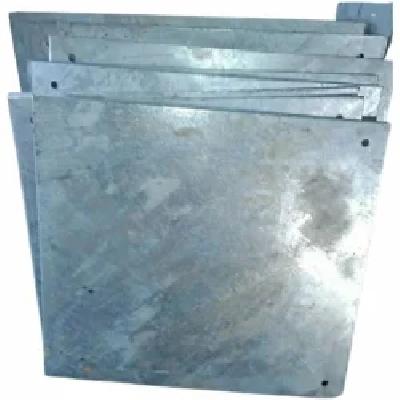
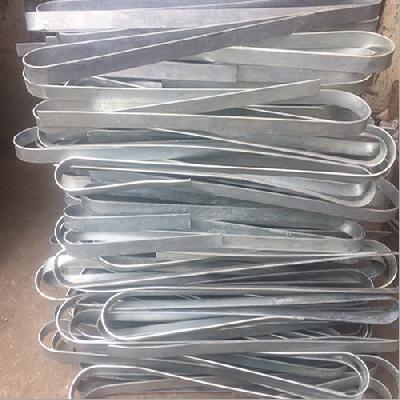
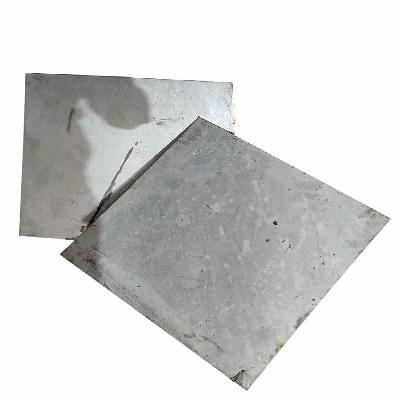
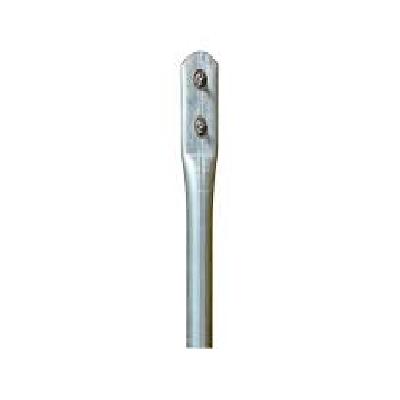
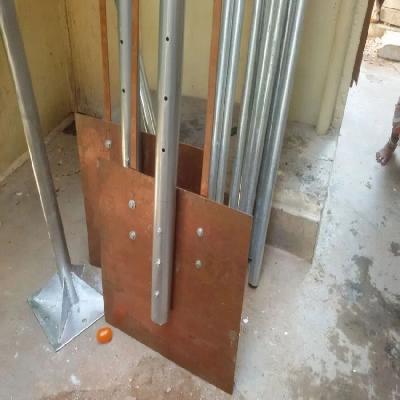
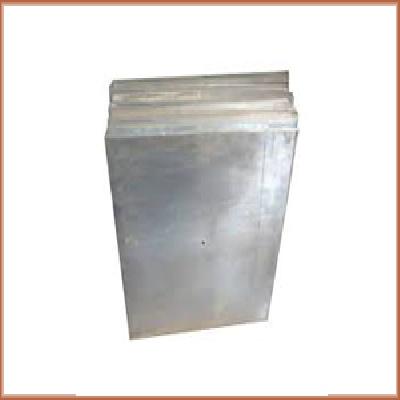
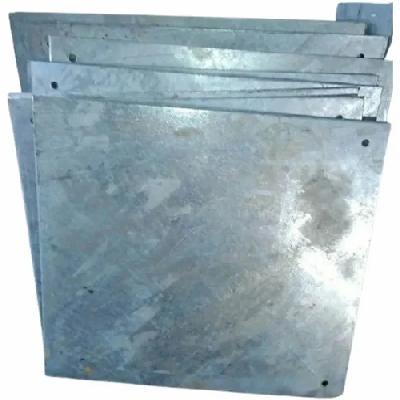
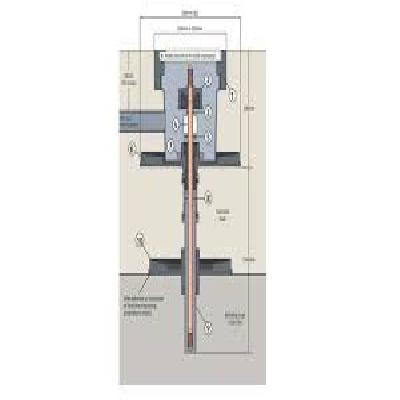
An earthing plate is a critical component used in electrical systems to provide a safe and reliable path for fault currents to flow to the ground, thus preventing damage to equipment and ensuring human safety.
Where To Use Earthing Plate
Earthing plates are used in various electrical installations, including residential, commercial, and industrial buildings.
They are commonly installed in areas prone to moisture or high humidity, such as bathrooms, kitchens, and outdoor areas.
Earthing plates can also be used in areas with high electrical traffic, such as data centers and power substations.
Key Features Of Earthing Plate
Made from high-quality materials, such as copper or aluminum, for excellent conductivity and durability.
Available in various plate sizes to suit specific applications and space constraints.
Can be designed with a range of thicknesses to accommodate different load capacities and environmental conditions.
Features a robust and weather-resistant design to withstand harsh environments.
How To Use Earthing Plate
Install the earthing plate in a location that is easily accessible for maintenance and inspection.
Ensure proper connection to the electrical system, following local building codes and regulations.
Regularly inspect the earthing plate for signs of wear or damage, replacing it as necessary.
How Earthing Plate Is Manufactured
The earthing plate manufacturing process involves several stages, including material selection, cutting and shaping, assembly, testing, and quality control.
Technical Specification Of Earthing Plate
Material:
Copper
Plate Size (mm):
250 x 200
Thickness (mm):
2.5
Resistance Levels:
10 ohms
The technical specification of the earthing plate is crucial in ensuring its effectiveness and safety. The material used, plate size, thickness, and resistance levels all contribute to the overall performance of the earthing plate. A well-designed earthing plate can provide reliable protection against electrical shocks and faults, making it an essential component in various electrical installations.
Description Of Earthing Plate
The earthing plate is a compact and robust device designed to provide a safe path for fault currents to flow to the ground. It is typically made from high-quality materials, such as copper or aluminum, and is available in various sizes and thicknesses to suit specific applications.
Related Products & Synonyms Of Earthing Plate
The earthing plate is often used in conjunction with other electrical components, such as circuit breakers and fuses. Some related products include:
GI Earthing Plate: A type of earthing plate made from galvanized iron.
Cast Iron Earthing Plate: A type of earthing plate made from cast iron, offering high strength and durability.
Ground Earthing Plate: An earthing plate specifically designed for use in areas with high moisture levels or electrical traffic.
Safe Earthing Plate: An earthing plate designed to provide enhanced safety features, such as automatic shut-off in case of a fault.