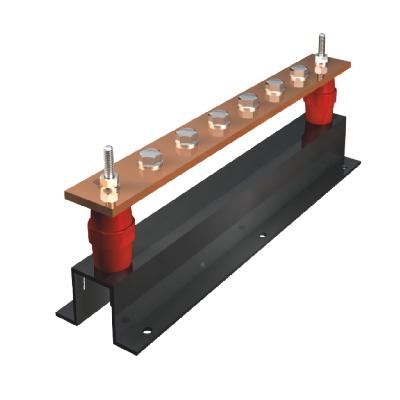
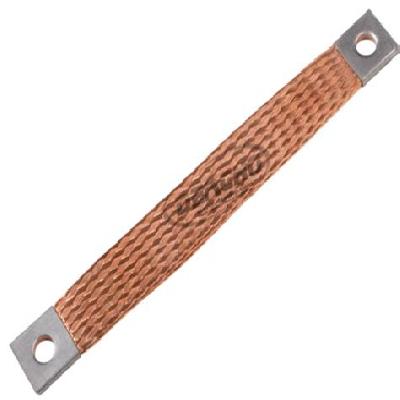
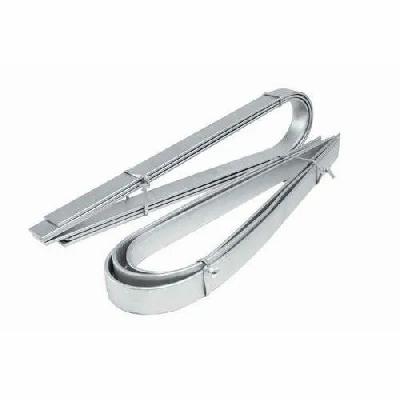
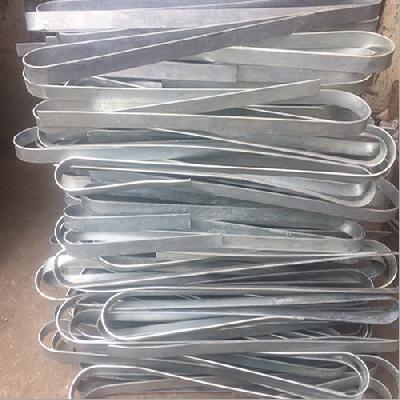
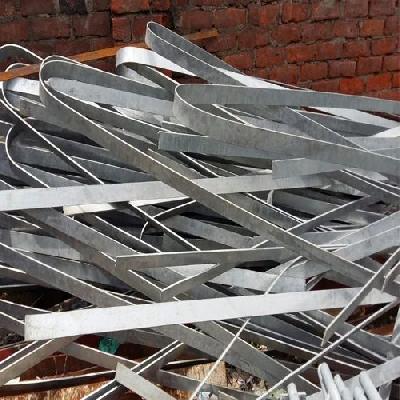
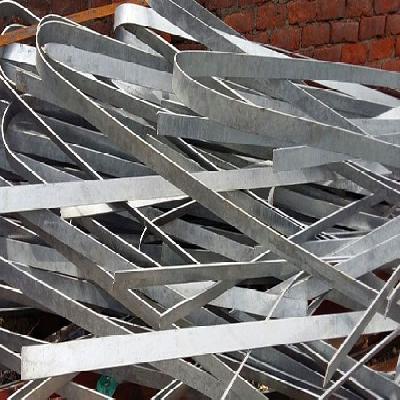
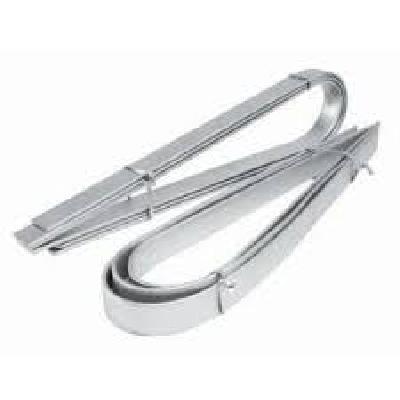
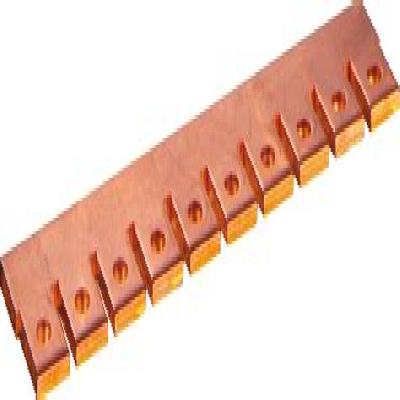
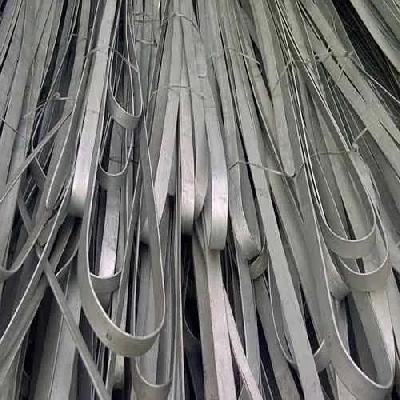
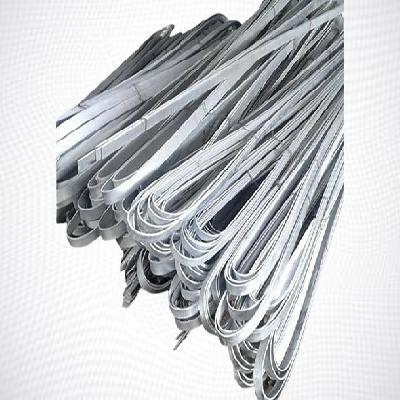
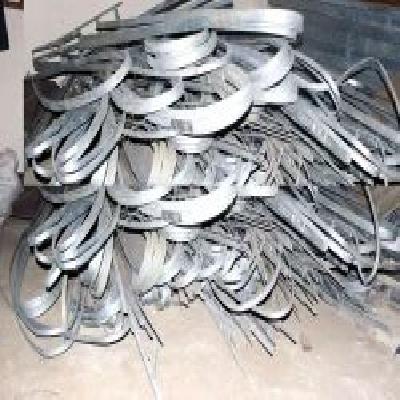
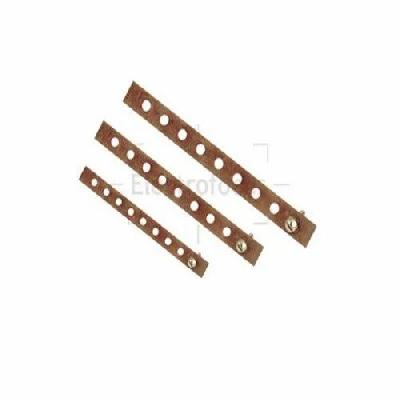
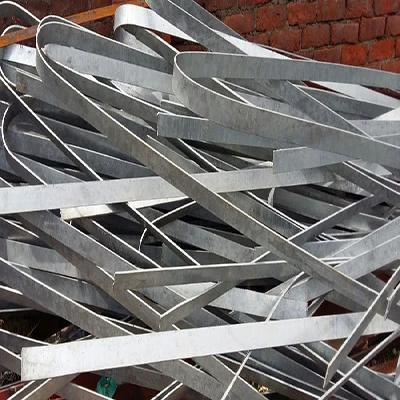
An earthing strip is a crucial component used in electrical and electronics systems to provide a safe path for electric current to flow to the ground, thereby protecting against shock and electrocution.
Where To Use Earthing Strip
Electrical panels and enclosures
Circuits with high voltage or current ratings
Areas prone to water or moisture
Systems requiring surge protection
Key Features Of Earthing Strip
High-quality material for durability and resistance
Customizable dimensions to fit specific requirements
Low resistance for efficient current flow
Easy installation and maintenance
How To Use Earthing Strip
Identify the earthing strip's location and connection points
Ensure proper insulation and protection against moisture
Connect the earthing strip to the ground using a suitable conductor
Verify the earthing strip's functionality through regular testing
How Earthing Strip Is Manufactured
The earthing strip is manufactured using high-quality materials and advanced techniques to ensure durability and reliability. The process involves cutting, shaping, and assembling the components to meet specific requirements.
Technical Specification Of Earthing Strip
Material:
Aluminum or Copper
Width:
10mm - 50mm
Thickness:
1mm - 5mm
Length:
500mm - 2000mm
Resistance:
1m? - 10m?
The specifications of the earthing strip are designed to ensure optimal performance and safety in electrical systems. The material, width, thickness, length, and resistance values can be customized according to specific requirements.
Description Of Earthing Strip
The earthing strip is a crucial component in electrical systems, providing a safe path for electric current to flow to the ground. It is made from high-quality materials and designed for durability and reliability.
Related Products & Synonyms Of Earthing Strip
The earthing strip is related to other electrical components such as fuse holders, circuit breakers, and surge protectors. The synonyms for the earthing strip include Aluminum Earthing Strip and Earthing Strip Joints.