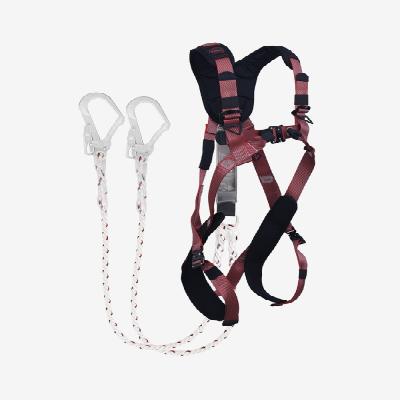
Elastic webbing is a type of fabric that has elastic properties, allowing it to stretch and recover its original shape.
Where To Use Elastic Webbing
Sportswear and activewear
Outdoor gear and equipment
Fashion accessories and trimmings
Key Features Of Elastic Webbing
High elasticity and stretchability
Lightweight and breathable
Durable and resistant to wear and tear
Easy to clean and maintain
How To Use Elastic Webbing
Cut to size and sew or glue into place
Use with stretchy threads or yarns for added elasticity
Can be used as a standalone material or in combination with other fabrics
How Elastic Webbing Is Manufactured
Elastic webbing is typically manufactured through a process of extrusion and stretching, followed by cutting and finishing.
Technical Specification Of Elastic Webbing
Width:
10-50 cm
Thickness:
0.1-5 mm
Elasticity:
70-90%
Material Composition:
Polyester, nylon, or elastane
Texture:
Smooth, matte, or textured
The technical specification of elastic webbing is critical to its performance and application. The width and thickness determine the material's usability in different contexts, while the elasticity ensures that it can stretch and recover effectively. The material composition affects the fabric's durability and resistance to wear and tear, and the texture influences its aesthetic appeal.
Description Of Elastic Webbing
Elastic webbing is a versatile and essential material in various industries, from sportswear to outdoor gear.