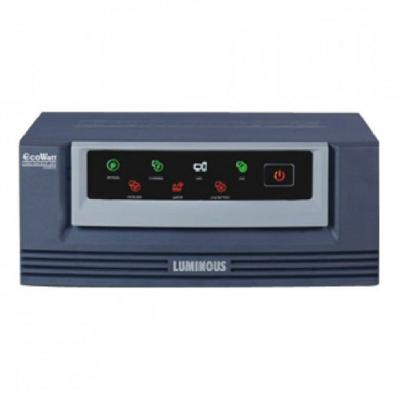
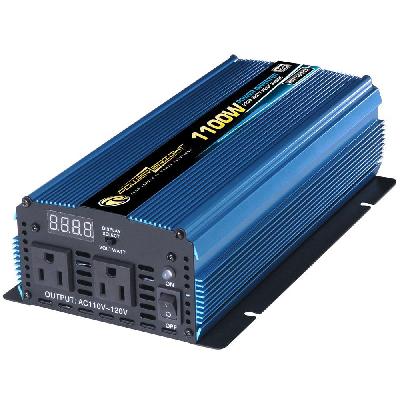
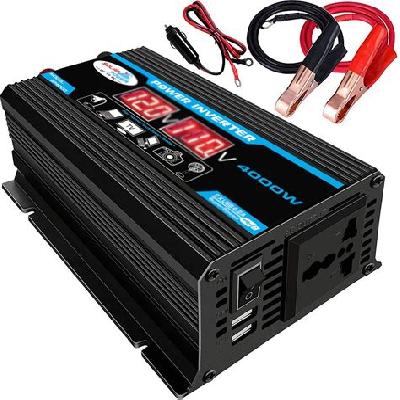
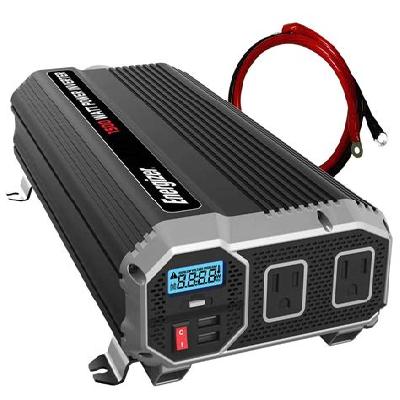
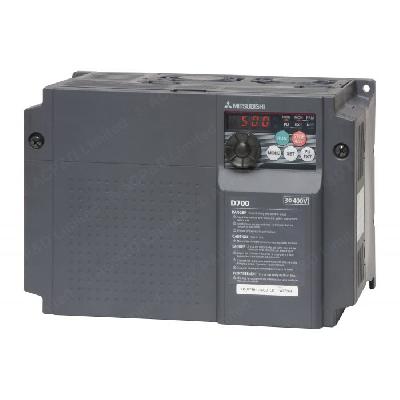
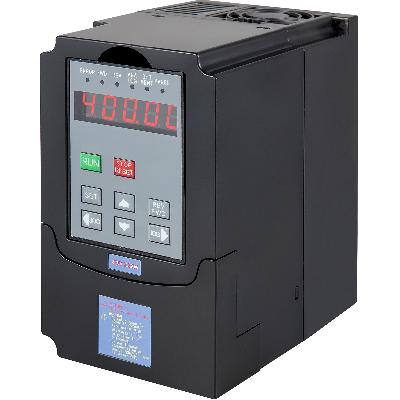
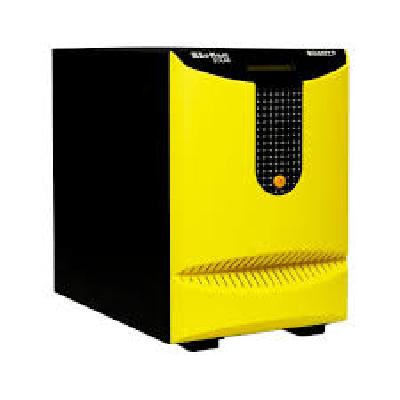
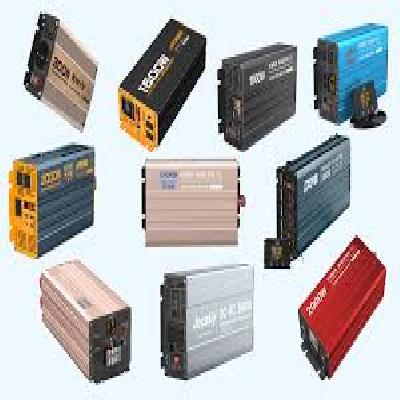
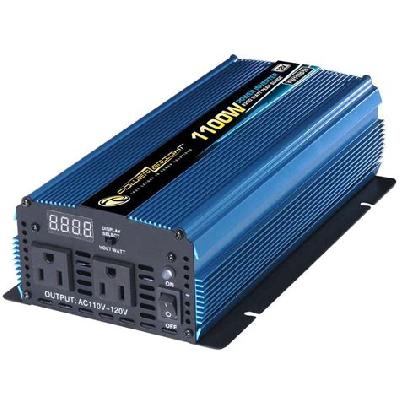
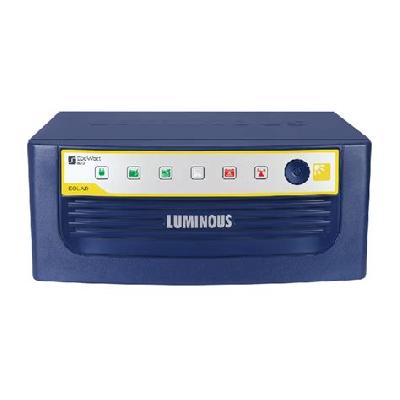
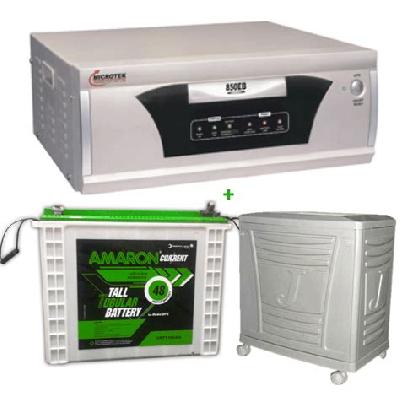
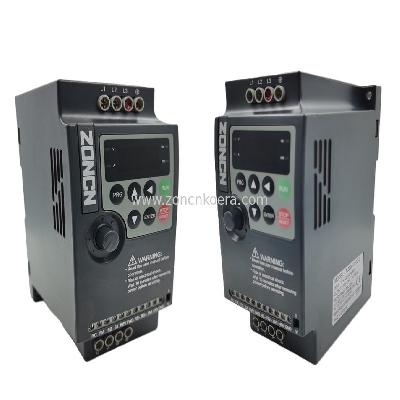
An electric inverter is an electrical device that converts direct current (DC) into alternating current (AC). It is used to supply power to devices that require AC, such as lighting, heating, and cooling systems. Inverters are commonly used in renewable energy systems, such as solar panel and wind turbine systems.
Where To Use Electric Inverters
Electric inverters can be used in a variety of applications, including:
Renewable energy systems, such as solar panel and wind turbine systems
Backup power systems for critical loads
Electrification of remote areas or developing countries
Cars and other electric vehicles
Key Features Of Electric Inverters
High efficiency and reliability
Compact design and lightweight
Easy to install and maintain
Low maintenance costs
Fault protection features
Error indication
Overheat protection
Short circuit protection
How To Use Electric Inverters
Connect the inverter to a DC power source, such as a solar panel or battery bank.
Configure the inverter settings according to the application requirements.
Cycle on and off for startup, shutdown and fault conditions, if needed.
How Electric Inverters Is Manufactured
The manufacturing process of electric inverters involves several stages, including:
Design and development
Prototype testing and validation
Silicon wafer fabrication
Mosfet module assembly
PWM IC and other components mounting
Circuit board assembly
Final inspection and packaging
Technical Specification Of Electric Inverters
Output Power (W)
200-5000 W
Input Voltage (V)
48-72 V
Output Voltage (V)
230-240 V
Number of Outlets (PCS)
2-10
Weight (Kg)
5-20 Kg
Waveform Type (SIN/SPWM/SQR)
Sinusoidal
The output power of an electric inverter is the maximum amount of power that it can supply to a load at any given time. The input voltage is the DC voltage that is fed into the inverter from a battery or other DC source. The output voltage is the AC voltage that is produced by the inverter and supplied to a load. The number of outlets refers to the number of electrical connections that are provided on the inverter for connecting loads. The weight of an electric inverter can vary depending on its size, materials used, and other factors. The waveform type refers to the shape of the AC voltage produced by the inverter.
Description Of Electric Inverters
Electric inverters are designed to convert DC power from a source, such as solar panels or batteries, into AC power that can be used by electrical devices.
Related Products & Synonyms Of Electric Inverters
Some related products of electric inverters include: