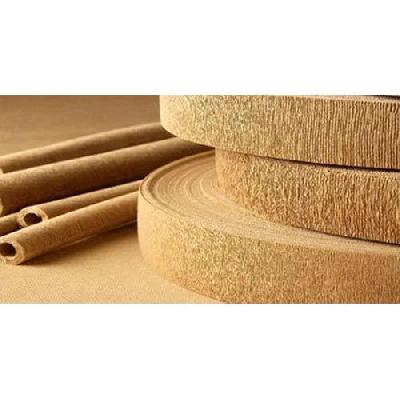
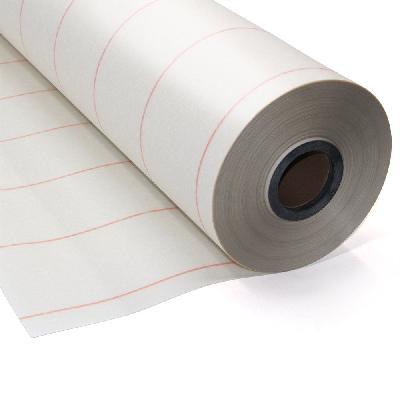
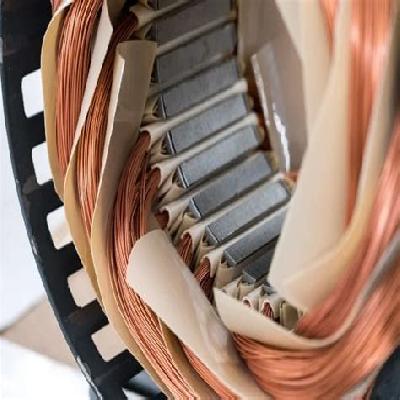
Electrical insulating paper is a type of non-conductive material used to prevent electrical discharges and short circuits in various applications.
Where To Use Electrical Insulating Paper
Electrical insulating paper is commonly used in the electrical and electronics industries, including:
Switchgear and circuit breakers
Motors and generators
Transformers and reactors
Power distribution systems
Key Features Of Electrical Insulating Paper
High dielectric strength
Low moisture absorption
Good chemical resistance
Flexible and easy to install
How To Use Electrical Insulating Paper
Measure and cut the paper to required size
Clean and dry the surface before installation
Apply a thin layer of adhesive or sealant if necessary
Ensure proper ventilation and avoid overheating
How Electrical Insulating Paper Is Manufactured
The manufacturing process involves pulping, beating, and refining of wood pulp or other cellulose-based materials. The resulting paper is then treated with chemicals to enhance its insulating properties.
Technical Specification Of Electrical Insulating Paper
Thickness:
0.5 mm - 1.5 mm
Width:
200 mm - 1200 mm
Temperature Resistance:
Up to 200°C
Roll Width:
Up to 2 meters
GSM:
100 - 500 g/m²
The technical specifications of electrical insulating paper are critical to ensuring its performance and safety in various applications. The thickness, width, temperature resistance, roll width, and GSM all play important roles in determining the suitability of the material for specific uses.
Description Of Electrical Insulating Paper
Electrical insulating paper is a type of non-conductive material used to prevent electrical discharges and short circuits in various applications.
Related Products & Synonyms Of Electrical Insulating Paper
Some related products to electrical insulating paper include: