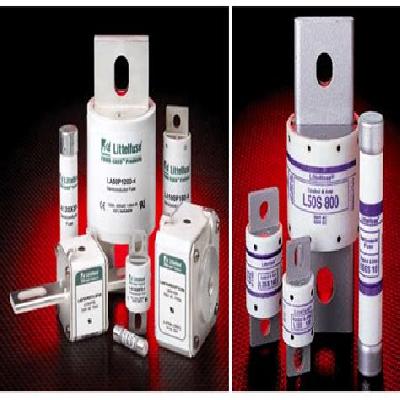
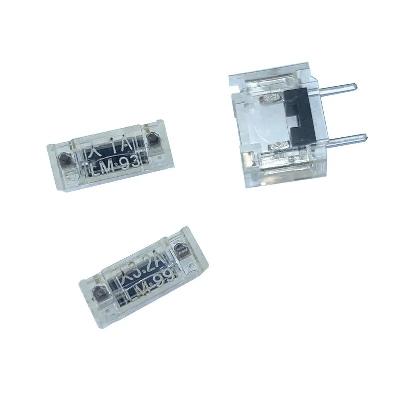
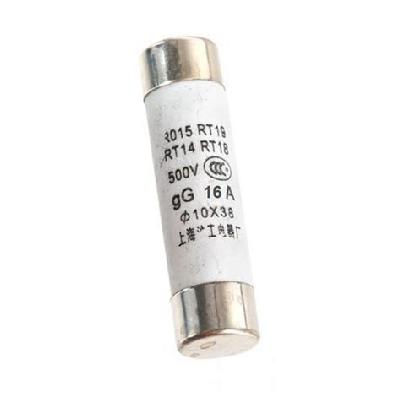
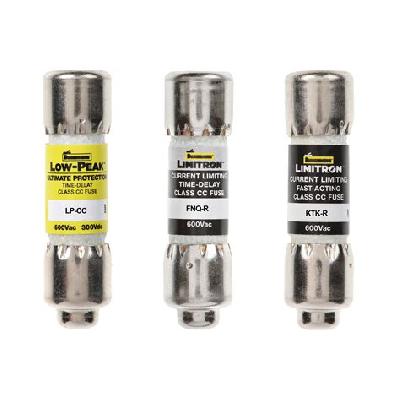
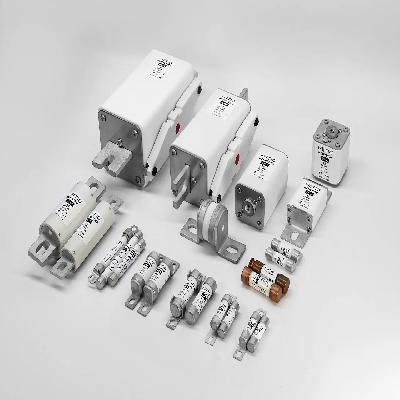
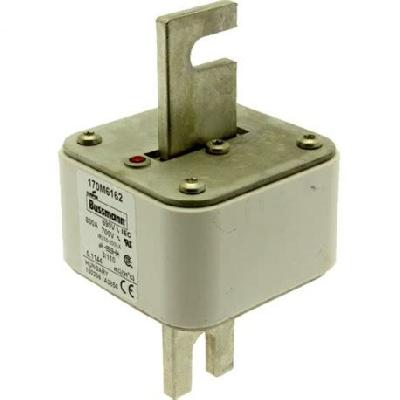
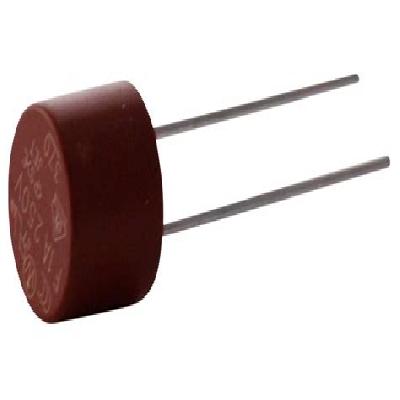
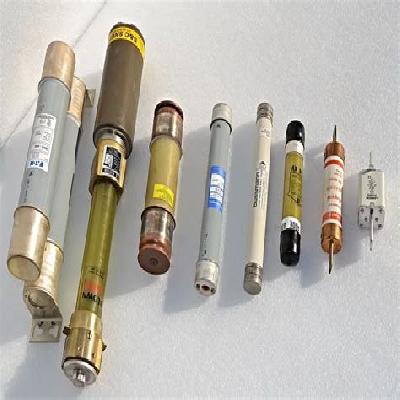
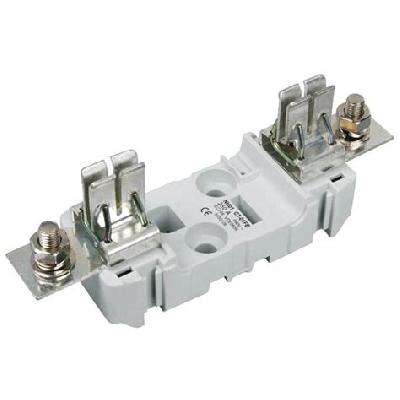
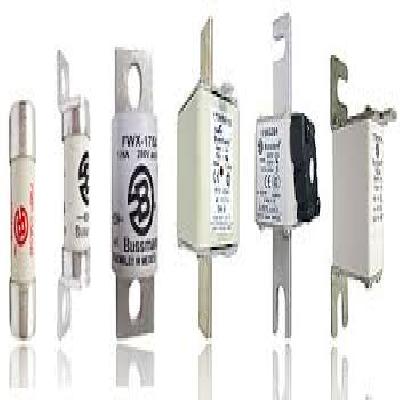
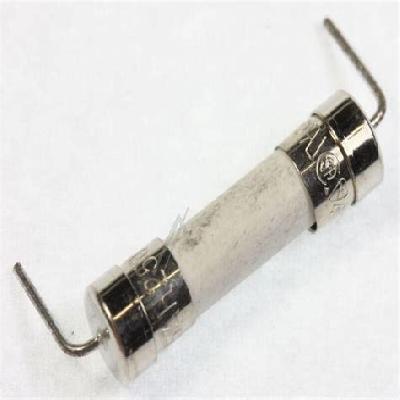
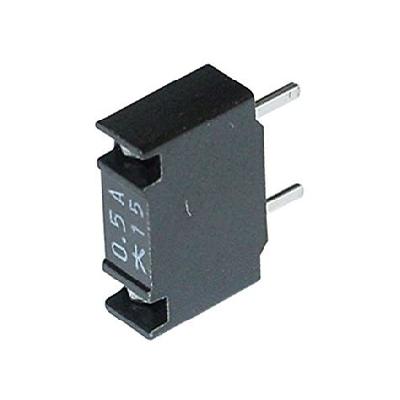
Electronic fuses are devices designed to protect electrical circuits from excessive current flow, which can cause damage or even lead to fires. They work by interrupting the circuit when a predetermined current level is exceeded, thus preventing equipment damage.
Where To Use Electronic Fuses
Electronic fuses are commonly used in electrical panels, switchboards, and circuit breakers to protect against overcurrent conditions.
They are also used in industrial applications such as motor control circuits, power supplies, and distribution boards.
Key Features Of Electronic Fuses
Fast response time to interrupt excessive current flow.
High reliability and stability under various operating conditions.
Easy installation and replacement.
Durable design for long service life.
How To Use Electronic Fuses
Choose the correct fuse rating based on the circuit's current requirements.
Install the fuse in a suitable location, taking care to avoid heat sources and moisture.
Verify the fuse is properly connected to the circuit and functioning correctly.
How Electronic Fuses Is Manufactured
The manufacturing process for electronic fuses typically involves several stages:
Design and prototyping.
Mold injection for fuse body production.
Component installation (e.g., terminals, spring).
Testing and quality control.
Technical Specification Of Electronic Fuses
Voltage Rating:
230V AC
Current Rating:
5A
Mounting Type:
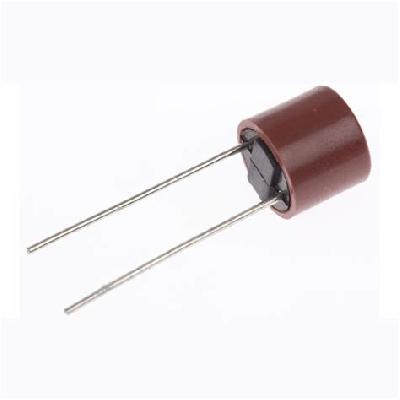
PCB-mountable
Resistance:
10m? max.
The specification table above outlines key parameters for the electronic fuse, including voltage rating, current rating, mounting type, and resistance. These specifications ensure the fuse can safely interrupt excessive current flow in electrical circuits while maintaining reliable performance.
Description Of Electronic Fuses
Electronic fuses are compact devices designed to protect electrical circuits from damage caused by excessive current flow. They offer fast response times, high reliability, and easy installation.
Related Products & Synonyms Of Electronic Fuses
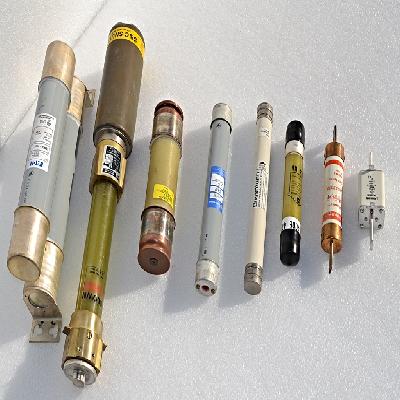
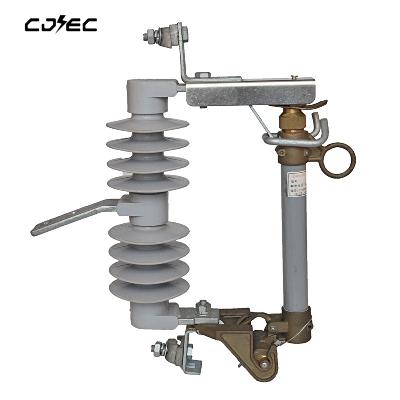
Electronic fuses are related to various other electrical protection devices, including:
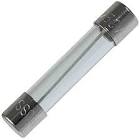
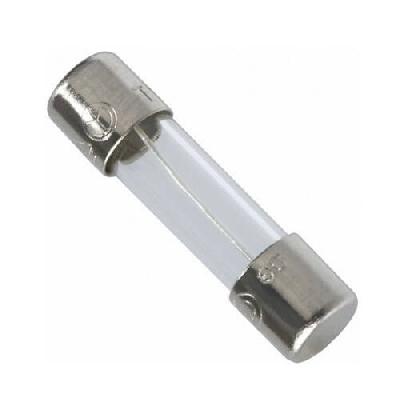
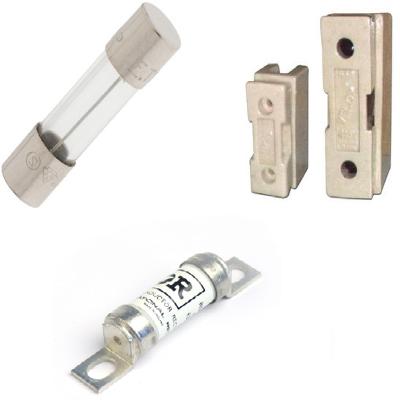
Glass Fuse: A type of fuse that uses a glass body for protection.
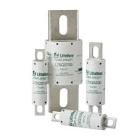
Semiconductor Fuses: Electronic fuses made from semiconductor materials.
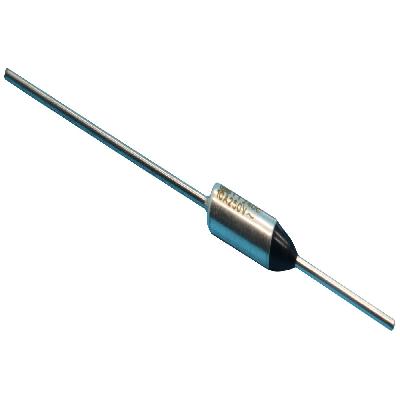
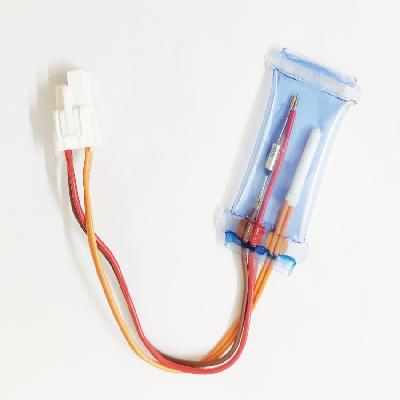
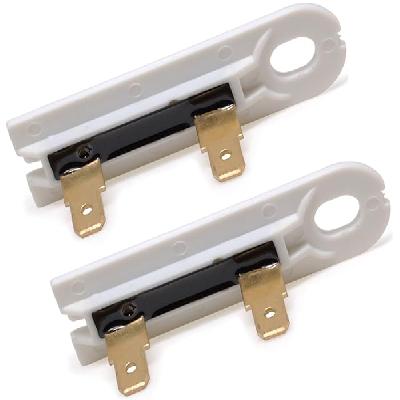
Thermal Fuse: Fuses that operate based on thermal overload conditions.
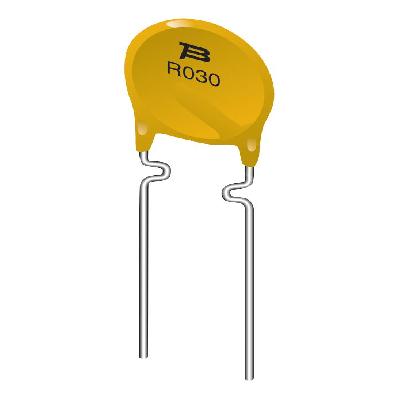
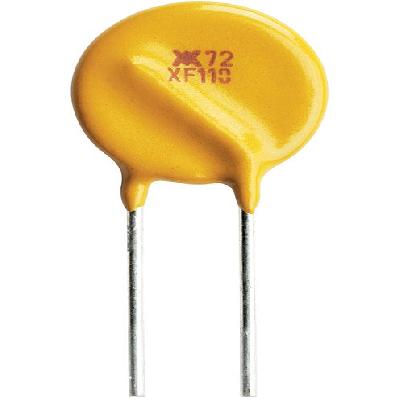
PTC Resettable Fuse: Fuses capable of resetting after excessive current flow.
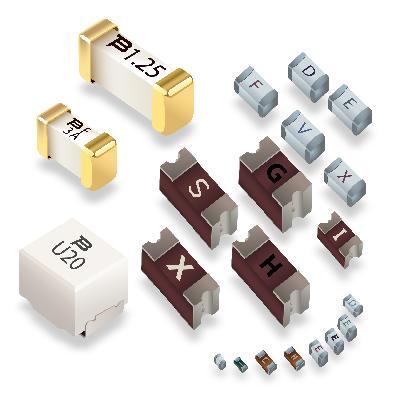
SMD Fuse (Surface Mount Device): Compact electronic fuses designed for surface mount applications.
Refrigerator Fuse: Specialized fuses used in refrigerator and freezer circuits.