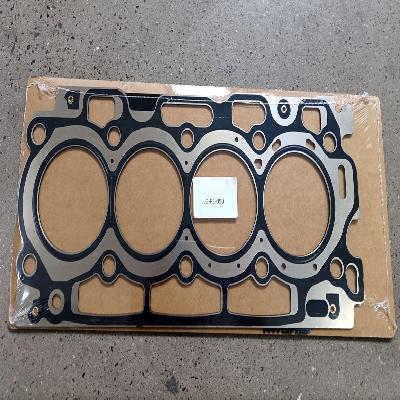
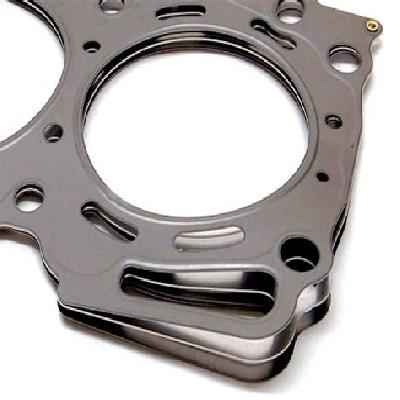
An engine gasket is a mechanical seal used to join two or more components in an internal combustion engine, preventing leakage of fluids such as oil, coolant, and fuel.
Where To Use Engine Gasket
Internal combustion engines
Mechanisms and equipment requiring gaskets for sealing
Key Features Of Engine Gasket
Material: Various materials such as rubber, metal, and composite
Hardness: Varies depending on application and material
Temperature Range: -20°C to 150°C
Surface Finish: Smooth surface for optimal sealing
Maximum Pressure: Up to 1000 psi
How To Use Engine Gasket
Inspect gasket for damage and cleanliness before installation
Select correct size and type of gasket for application
Install gasket according to manufacturer's instructions
How Engine Gasket Is Manufactured
Gaskets are manufactured using various processes such as cutting, molding, and assembly. Materials are selected based on application requirements.
Technical Specification Of Engine Gasket
Specification
Details
Material
Nitrile rubber
Hardness
Shore A 70-80
Temperature Range
-20°C to 150°C
Surface Finish
Smooth surface
Maximum Pressure
Up to 1000 psi
The technical specifications of the engine gasket are designed to meet the requirements of various applications. The material selection is based on durability, temperature resistance, and compatibility with other components. The hardness of the gasket ensures optimal sealing performance under varying conditions.
Description Of Engine Gasket
An engine gasket is a crucial component in internal combustion engines, providing a seal between various components to prevent fluid leakage.