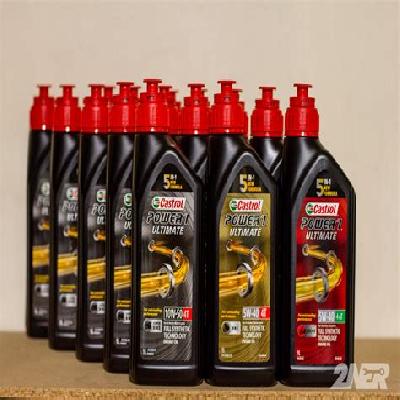
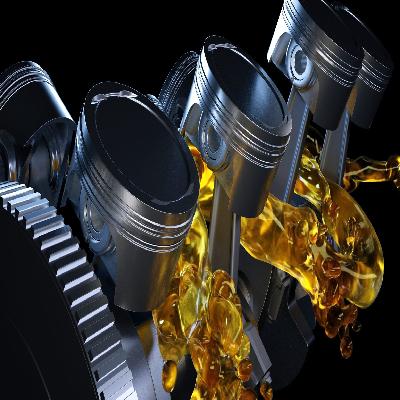
Engine lubricants are specialized liquids designed to reduce friction and wear on moving parts within internal combustion engines. They play a crucial role in maintaining the engine's performance, efficiency, and longevity by protecting against corrosion, rust, and deposits.
Where To Use Engine Lubricants
Engine lubricants are used in a variety of applications, including:
Automobile engines
Turbojet engines
Rotary engines
Petrol and diesel engines for construction equipment, marine vessels, and generators
Key Features Of Engine Lubricants
Provide lubrication to moving engine components, reducing friction and wear
Protect against corrosion and rust
Absorb shock and vibrations
Control oil consumption and leakage
How To Use Engine Lubricants
Choose the correct viscosity grade for your engine and operating conditions
Fill the engine with the recommended amount of lubricant
Monitor oil level regularly and top up as necessary
Replace the lubricant according to the manufacturer's schedule or when it becomes dirty
How Engine Lubricants Is Manufactured
Engine lubricant manufacturing involves a complex process of blending base oils with additives in specific proportions to achieve the desired properties. The quality control measures include testing for viscosity, flash point, pour point, and packaging.
Technical Specification Of Engine Lubricants
Viscosity:
10-20 cSt at 40°C
Flash Point:
220°C minimum
Pour Point:
Packaging:
1 L, 5 L, and 20 L containers
The lubricant's viscosity ensures smooth engine operation at various temperatures, while the flash point indicates its resistance to ignition. The pour point ensures that the oil remains fluid even in low-temperature conditions. The packaging options cater to different customer needs.
Description Of Engine Lubricants
Engine lubricants are clear, colorless liquids with a characteristic odor. They are formulated to meet the specific demands of different engines and operating conditions.