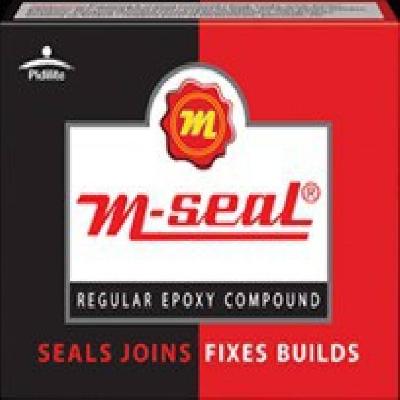
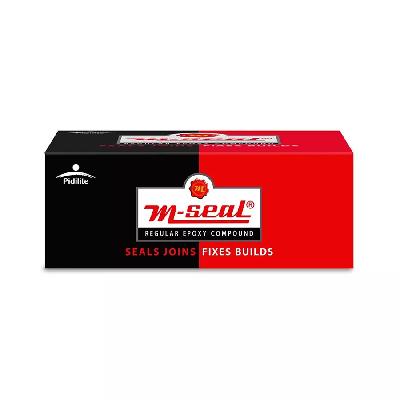
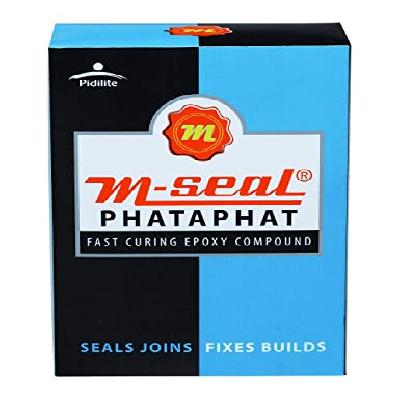
Epoxy sealants are a type of industrial coating that is used to provide protection against corrosion and wear on surfaces.
Where To Use Epoxy Sealants
Concrete floors and walls
Metal surfaces in chemical plants and oil refineries
Equipment and machinery in harsh environments
Pipelines and storage tanks
Key Features Of Epoxy Sealants
High chemical resistance
Good adhesion to various surfaces
Flexibility and impact resistance
Low viscosity for easy application
How To Use Epoxy Sealants
Clean the surface thoroughly before application
Apply a thin layer of epoxy sealant using a brush or roller
Mix and apply additional coats as needed, following the manufacturer's instructions
Allow the final coat to cure completely before exposing it to service
How Epoxy Sealants Is Manufactured
Epoxy sealants are typically manufactured using a combination of epoxy resin and hardener, which are mixed together in the correct ratio to form a uniform, flowable liquid. The mixture is then formulated with various additives to enhance its performance characteristics.
Technical Specification Of Epoxy Sealants
Temperature Resistance:
-20°C to +60°C
Tensile Strength:
10 MPa
Viscosity:
1000 mPa·s
Shelf Life:
12 months at room temperature
The technical specification of epoxy sealants is designed to ensure that the product meets the necessary performance standards for a wide range of applications. The temperature resistance, tensile strength, and viscosity of the product are critical factors in determining its suitability for use in various environments. In addition, the shelf life of the product must be sufficient to allow it to be stored and transported safely.
Description Of Epoxy Sealants
Epoxy sealants are a type of industrial coating that is used to provide protection against corrosion and wear on surfaces. They are typically applied as a liquid, but can be formulated to have a range of viscosities and pot lives to suit different application requirements.