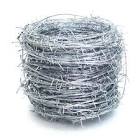
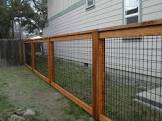
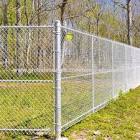
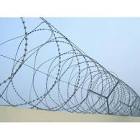
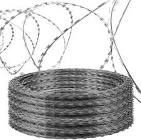
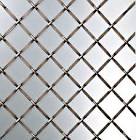
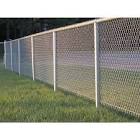
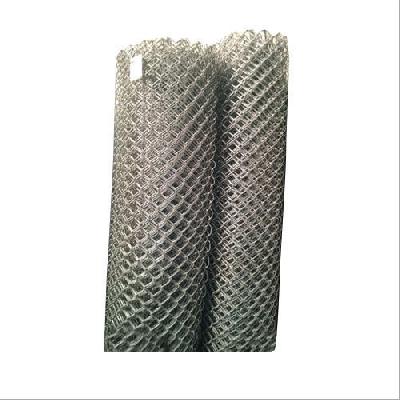
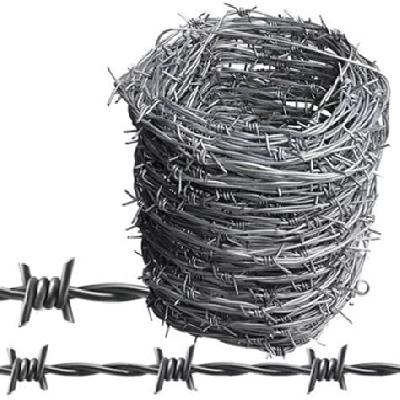
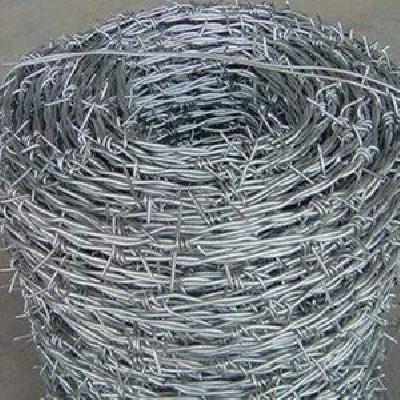
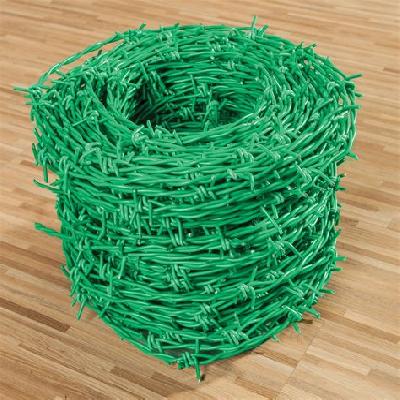
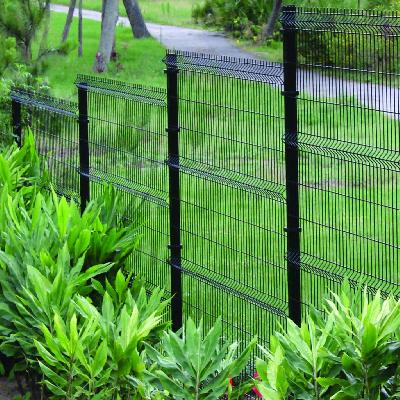
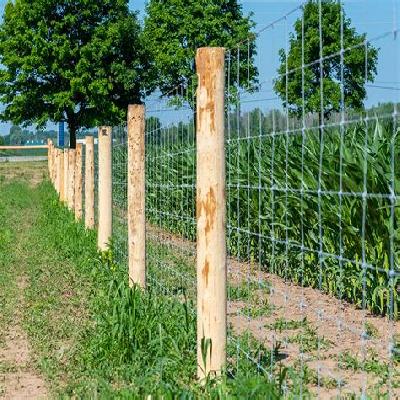
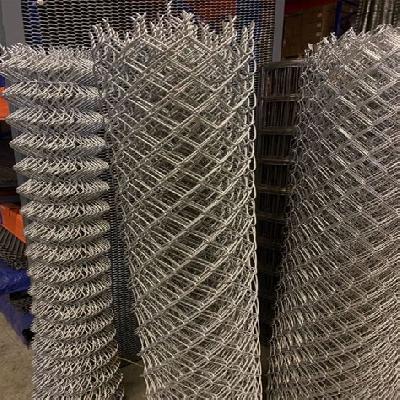
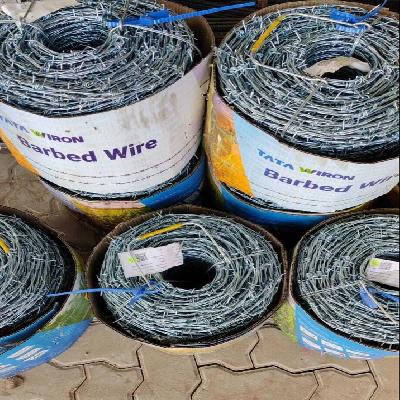
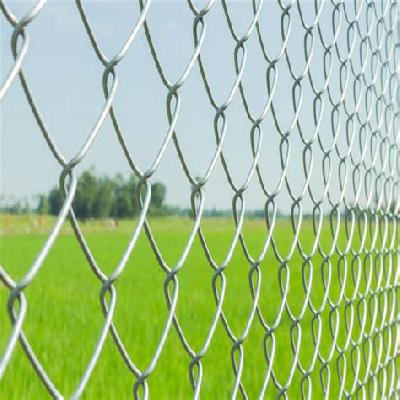
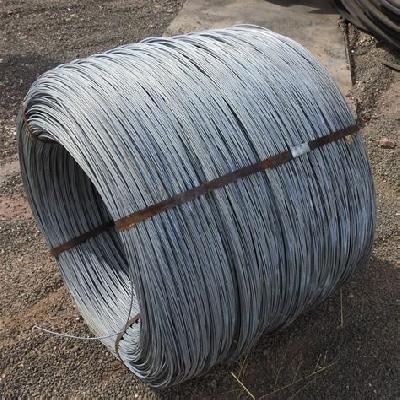
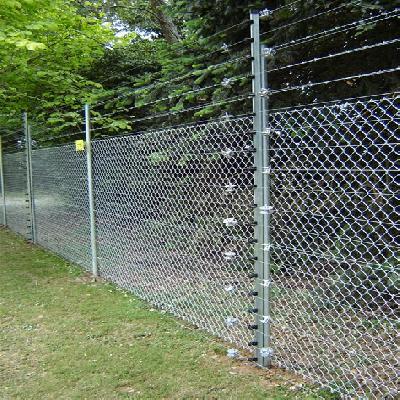
Fencing wire, also known as fence wire or farm fencing wire, is a type of wire used for constructing fences and barriers in various settings, including agricultural fields, residential areas, and industrial sites.
Where To Use Fencing Wire
Fencing wire can be used in a variety of applications, including:
Agricultural fencing for containing livestock
Residential fencing for security and property marking
Industrial fencing for separating work areas or protecting equipment
Key Features Of Fencing Wire
High tensile strength for durability and resistance to deformation
Corrosion-resistant coatings for extended lifespan in harsh environments
Versatility in terms of mesh type, wire diameter, and material options
How To Use Fencing Wire
Measure and cut the fencing wire to the required length
Bend and shape the wire to fit the fence post or framework
Secure the wire using wire ties, staples, or other fastening methods
How Fencing Wire Is Manufactured
Fencing wire is typically manufactured using a combination of raw materials, including steel or aluminum wire, and coatings such as galvanization or PVC.
Technical Specification Of Fencing Wire
Material:
Steel or Aluminum
Wire Diameter:
2.5mm to 6mm
Coating:
Galvanized or PVC-coated
Mesh Type:
Diamond, Square, or Rectangular
Temperature Resistance:
-20°C to 80°C
The technical specifications of fencing wire can vary depending on the intended application and environmental conditions. The manufacturer may also provide additional information on the wire's properties, such as its tensile strength, elongation at break, or corrosion resistance.
Description Of Fencing Wire
Fencing wire is a type of wire used for constructing fences and barriers in various settings, including agricultural fields, residential areas, and industrial sites.