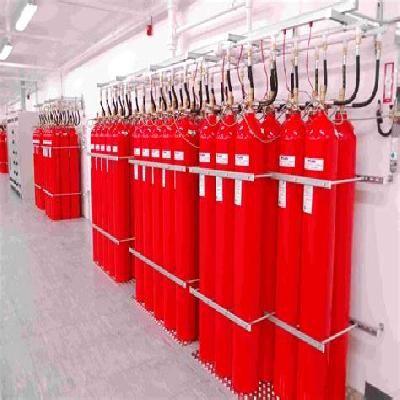
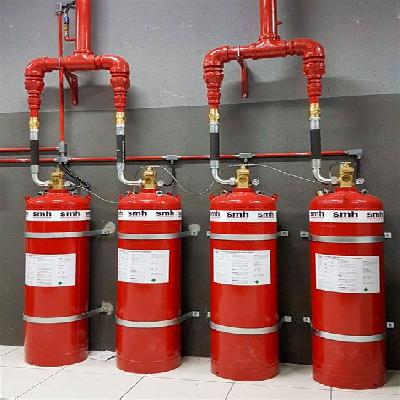
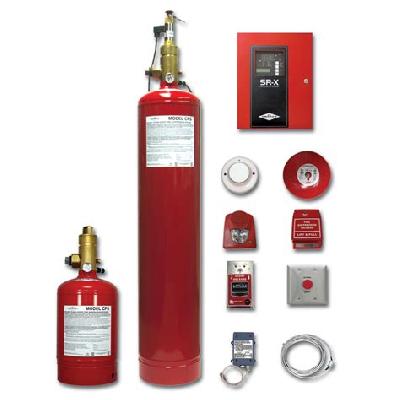
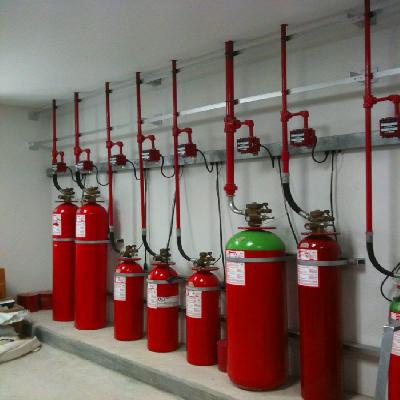
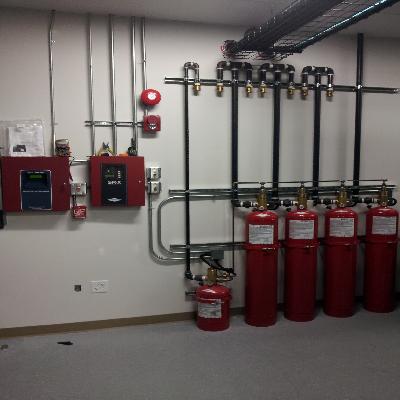
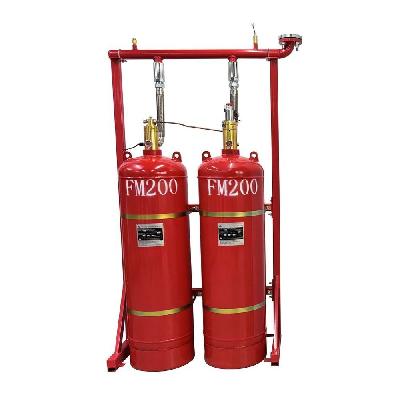
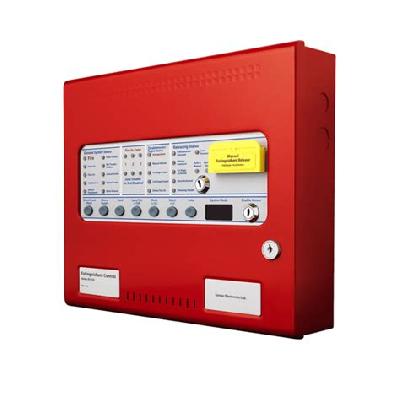
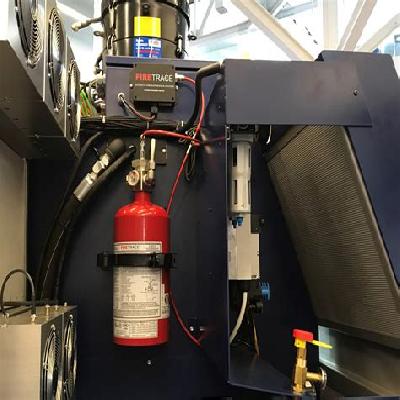
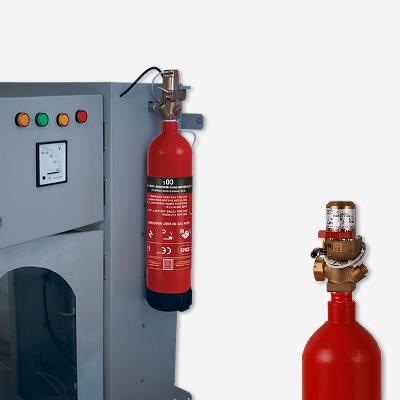
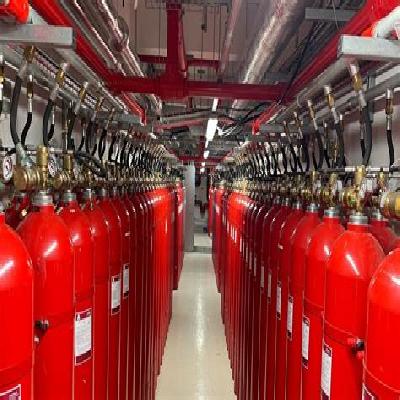
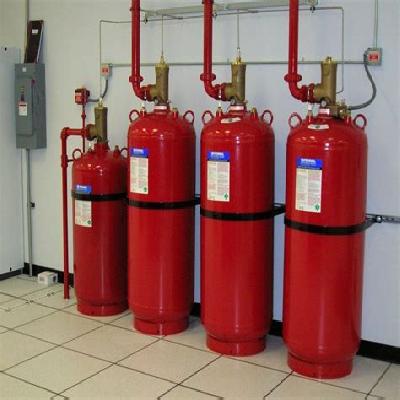
Fire suppression systems are designed to extinguish fires quickly and effectively, minimizing damage and risk to people and property. These systems use a range of techniques, including the suppression agent, to control and put out fires before they spread.
Where To Use Fire Suppression Systems
High-risk areas such as kitchens, server rooms, and data centers.
Areas with high-value equipment or sensitive materials.
Locations with restricted access or confined spaces.
Key Features Of Fire Suppression Systems
Suppression agent: Water, gas, foam, or dry chemical agents can be used depending on the type of fire and location.
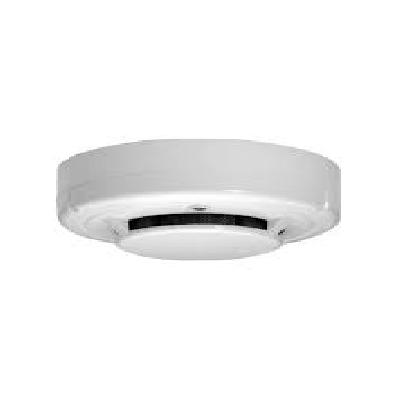
Activation type: Automatic or manual activation systems are available, with options for smoke detection, heat detection, or manual pull stations.
Coverage area: Systems can be designed to cover large areas or be installed in smaller, confined spaces.
Power supply: Battery-powered, mains-powered, or hybrid systems are available to ensure continuous operation.
Installation type: Systems can be installed as a standalone unit or integrated into existing building infrastructure.
How To Use Fire Suppression Systems
Regularly inspect and maintain the system to ensure it is functioning correctly.
Train personnel on how to use the system, including activation procedures and evacuation routes.
Conduct regular testing and drills to ensure that everyone knows what to do in case of a fire emergency.
How Fire Suppression Systems Is Manufactured
Fire suppression systems are manufactured by a range of companies using high-quality components and materials. The manufacturing process typically involves design, testing, and certification of the system to ensure it meets industry standards.
Technical Specification Of Fire Suppression Systems
Specification
Description
Suppression Agent
Water-based or gas-based suppression agent, depending on the type of fire and location.
Activation Type
Automatic or manual activation system, with options for smoke detection, heat detection, or manual pull stations.
Coverage Area
System can be designed to cover large areas or be installed in smaller, confined spaces.
Power Supply
Battery-powered, mains-powered, or hybrid system to ensure continuous operation.
Installation Type
System can be installed as a standalone unit or integrated into existing building infrastructure.
The technical specifications of fire suppression systems are critical in determining their effectiveness and suitability for a particular application. The selection of the right suppression agent, activation type, coverage area, power supply, and installation type is essential to ensure that the system can effectively detect and suppress fires. Regular maintenance and testing of the system are also crucial to ensure its continued operation and effectiveness.
Description Of Fire Suppression Systems
Fire suppression systems are designed to provide a rapid and effective response to fires, minimizing damage and risk to people and property. These systems use a range of techniques, including the suppression agent, to control and put out fires before they spread.
Related Products & Synonyms Of Fire Suppression Systems
The related products of fire suppression systems include fire extinguishers, fire alarms, and sprinkler systems. These products are designed to work in conjunction with fire suppression systems to provide a comprehensive fire safety solution.
The synonyms of fire suppression systems include gas suppression systems, fire fighting systems, and fire extinguishing systems. These terms refer to the use of various techniques and technologies to detect and suppress fires.