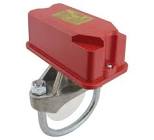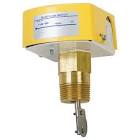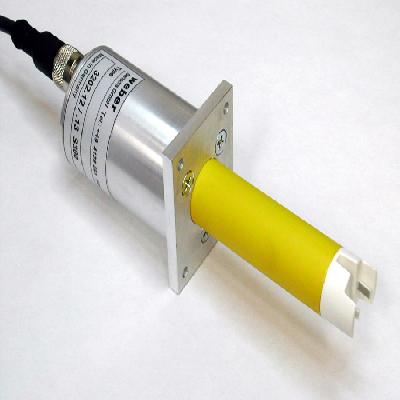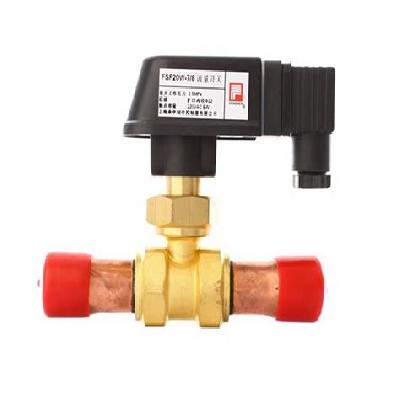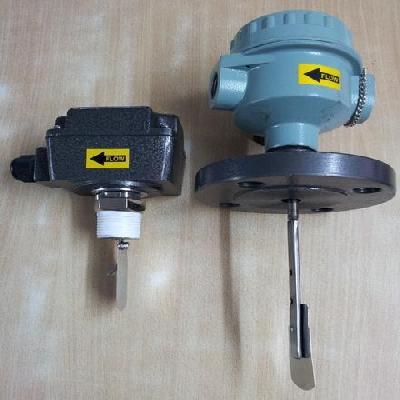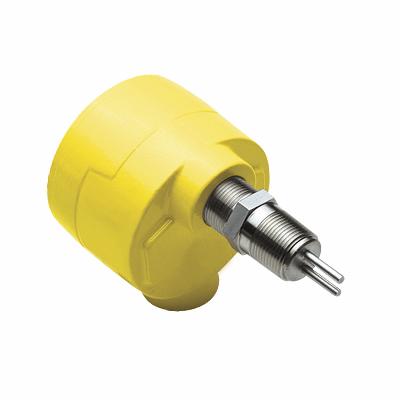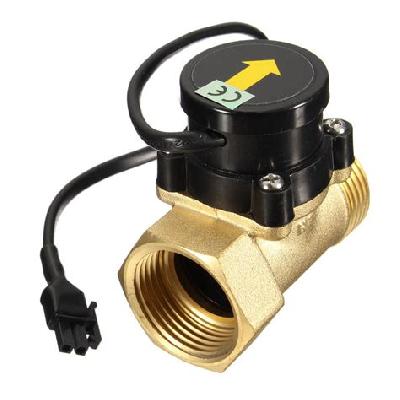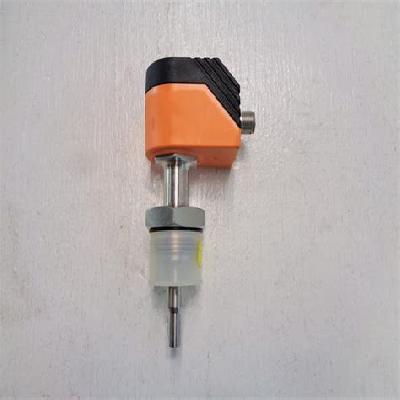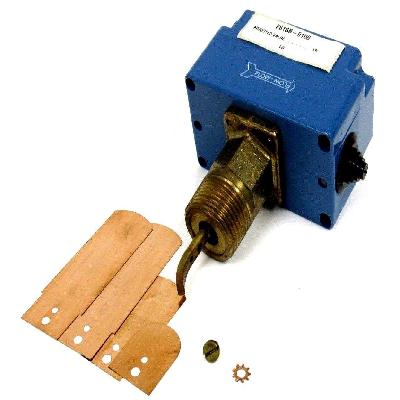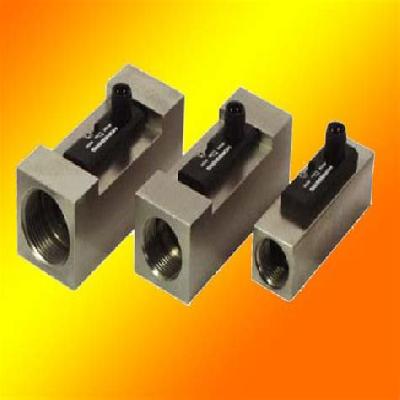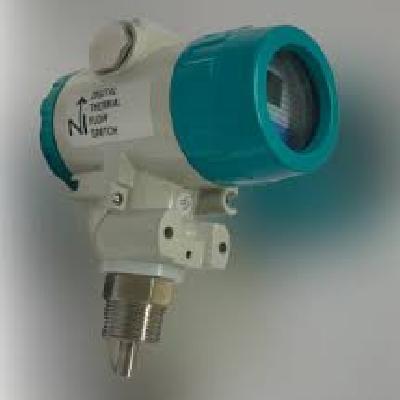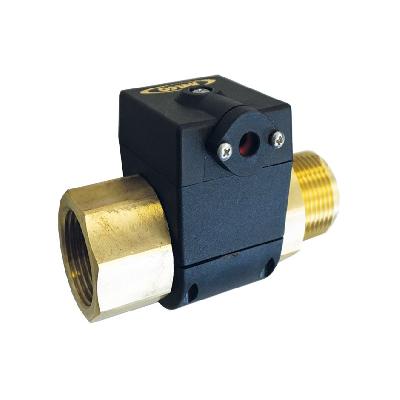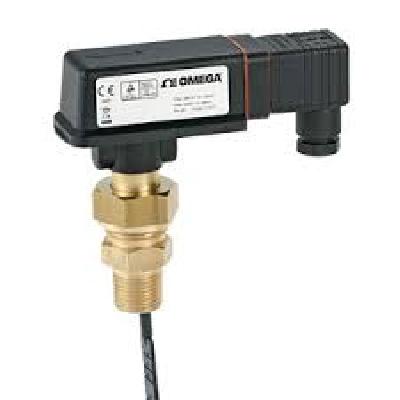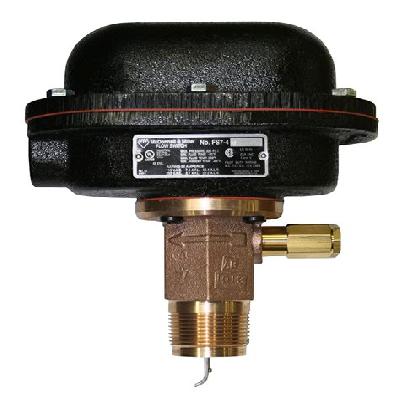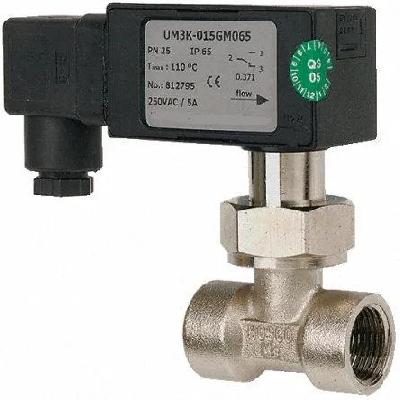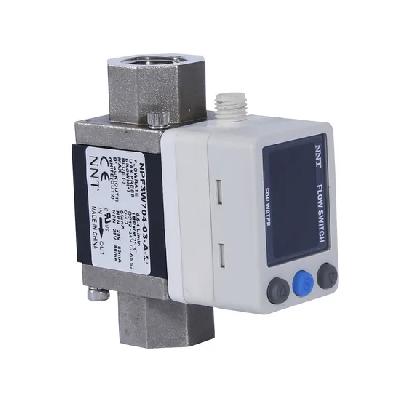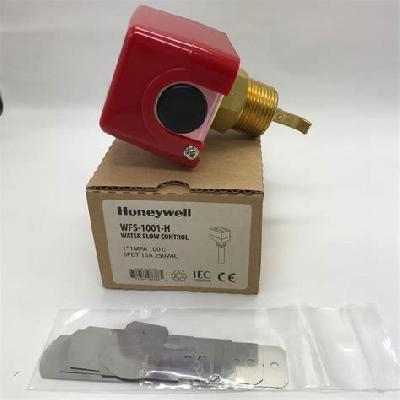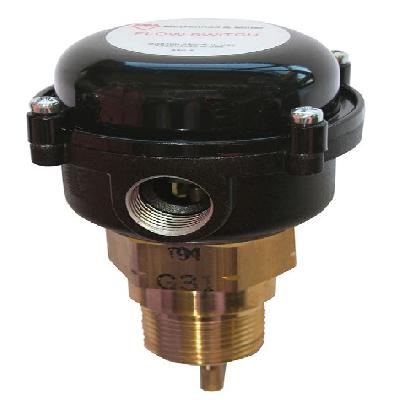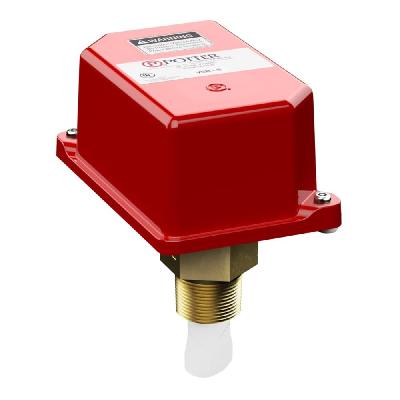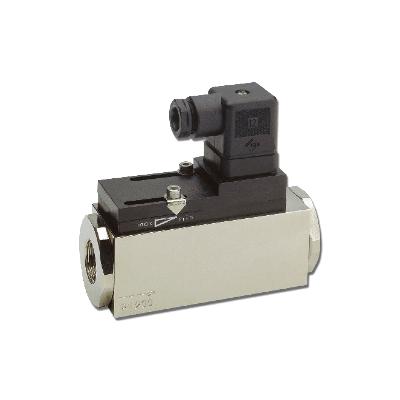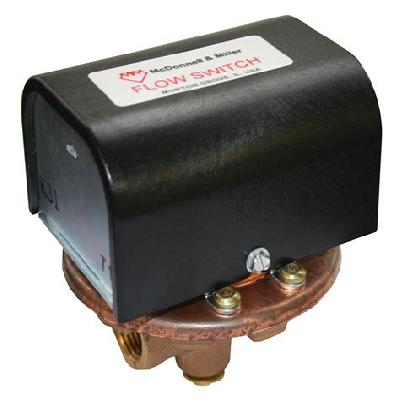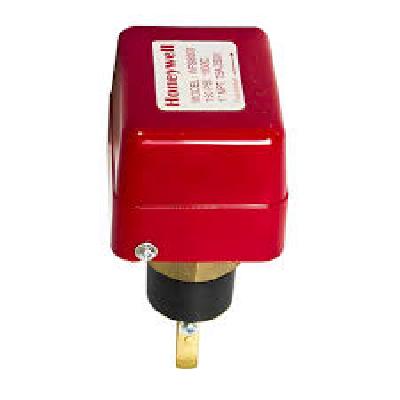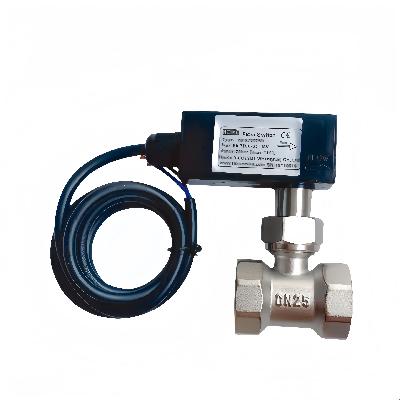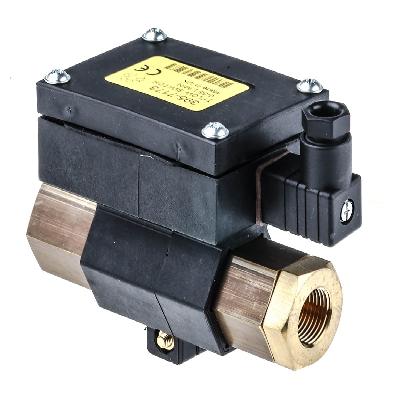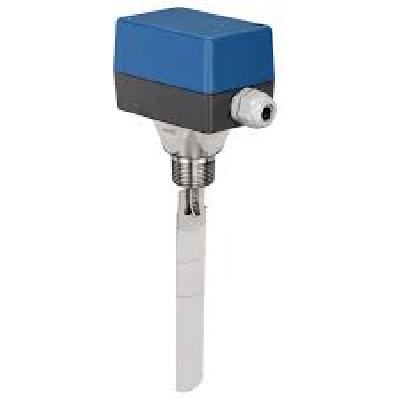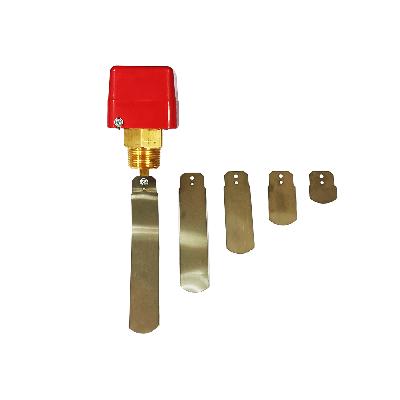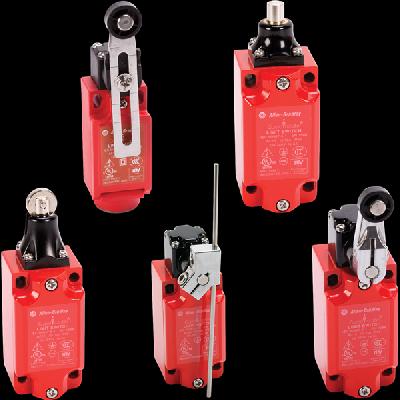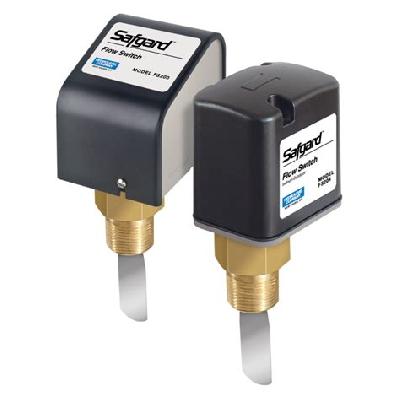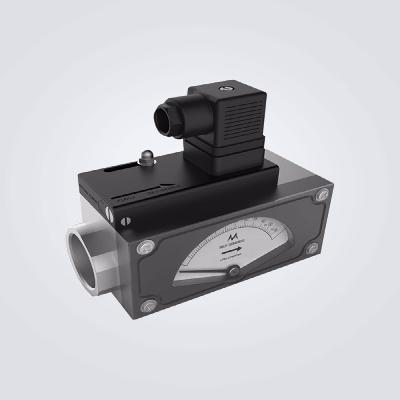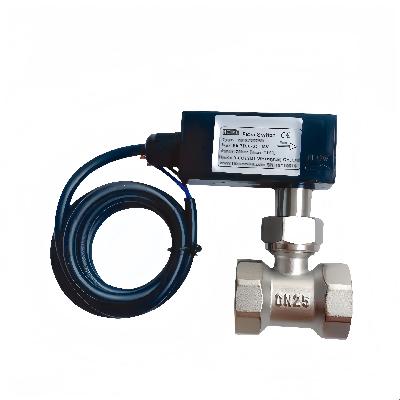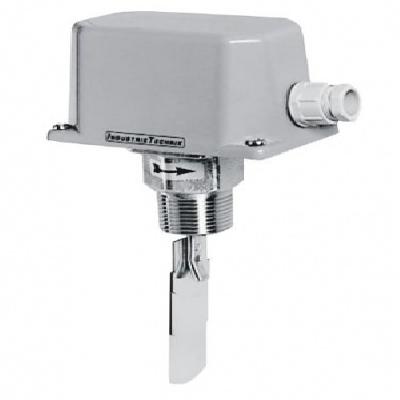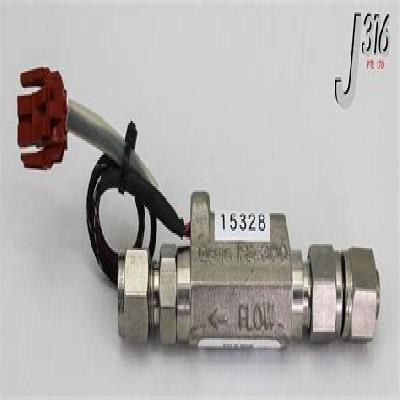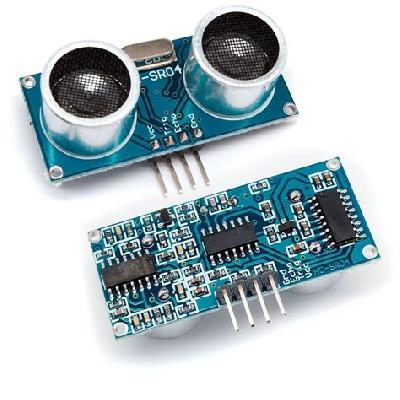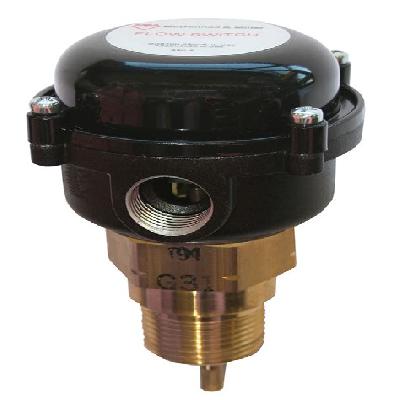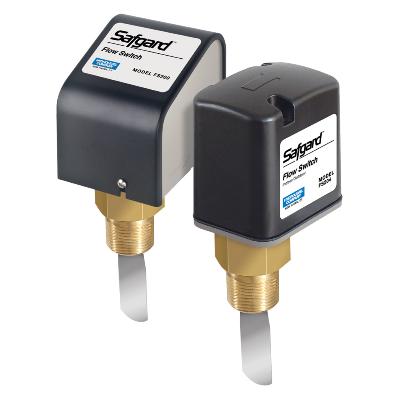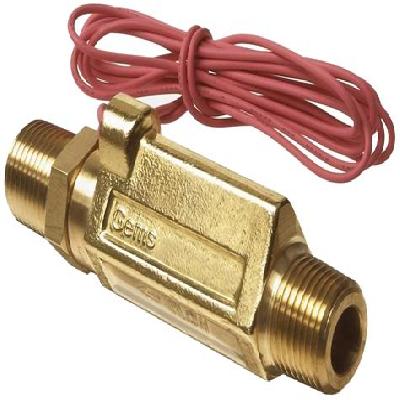
A flow switch is an industrial device designed to detect and measure the flow rate of fluids, such as liquids or gases, in a piping system. It is typically used to monitor and control the flow of fluids in various industrial applications, including process control, water treatment, and chemical processing.
Where To Use Flow Switches
Flow switches are commonly used in various industrial settings, including:
Water treatment plants
Chemical processing facilities
Power generation stations
Oil and gas refineries
Petrochemical plants
Key Features Of Flow Switches
Detection of flow rate and direction
Accurate measurement in various fluid types
High reliability and durability
Low maintenance requirements
Wide range of operating pressures and temperatures
How To Use Flow Switches
Mount the flow switch in the piping system
Connect the flow switch to a control panel or monitoring device
Set the desired flow rate and alarm thresholds
Monitor the flow rate and adjust as needed
Maintain and calibrate the flow switch regularly
How Flow Switches Is Manufactured
Flow switches are typically manufactured using a combination of materials, including:
Metal alloys (e.g., stainless steel)
Polymeric materials (e.g., PVC, PTFE)
Ceramic components
Technical Specification Of Flow Switches
Operating Pressure Range:
Up to 300 psi (20.7 bar)
Temperature Range:
-40°C to 150°C (-40°F to 302°F)
Material:
Stainless Steel (SS304, SS316)
Flow Range:
0.01 to 100 m³/h (0.035 to 352 ft³/min)
The technical specification of flow switches provides detailed information on the device's operating parameters, including pressure range, temperature range, material, and flow rate range. These specifications ensure that the flow switch can operate safely and efficiently in various industrial applications.
Description Of Flow Switches
Flow switches are designed to detect and measure the flow rate of fluids in piping systems. They consist of a sensor that detects changes in fluid pressure or velocity, which triggers an alarm or sends a signal to a control panel.