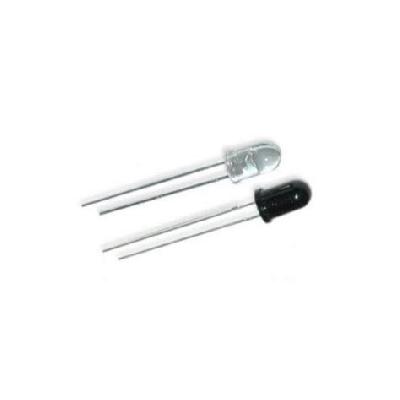
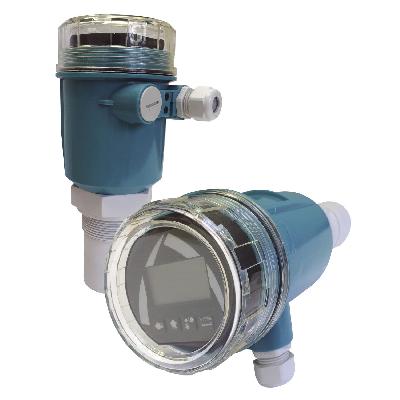
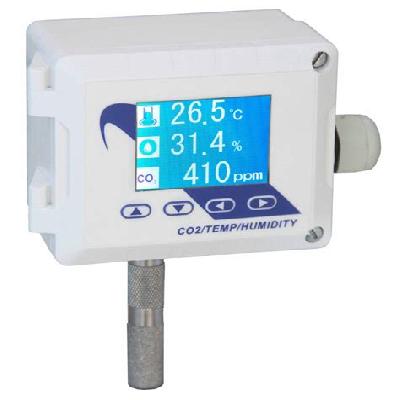
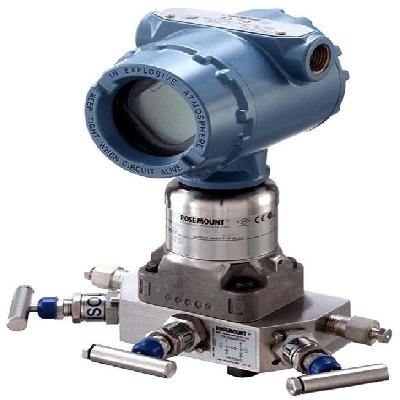
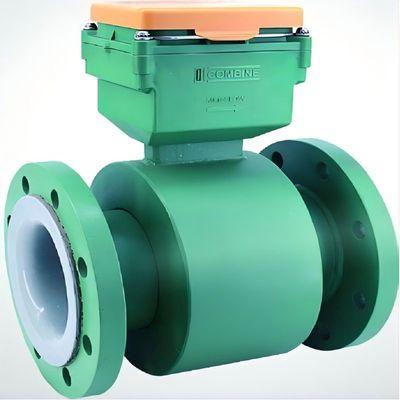
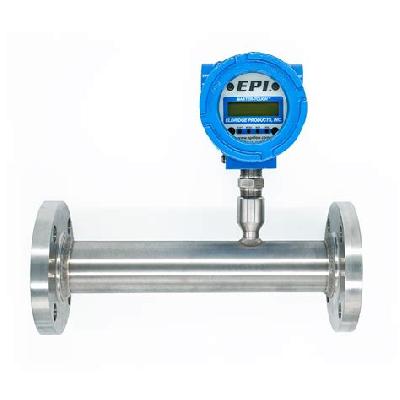
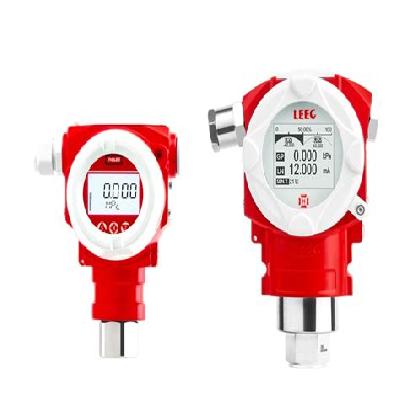
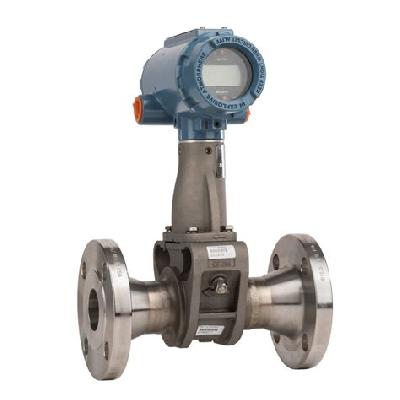
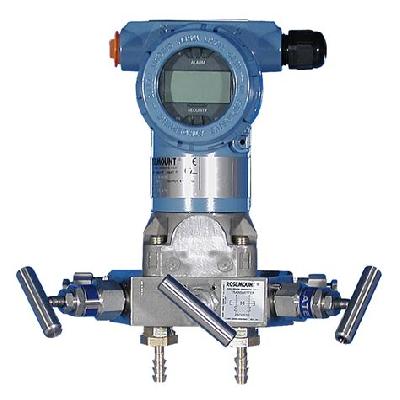
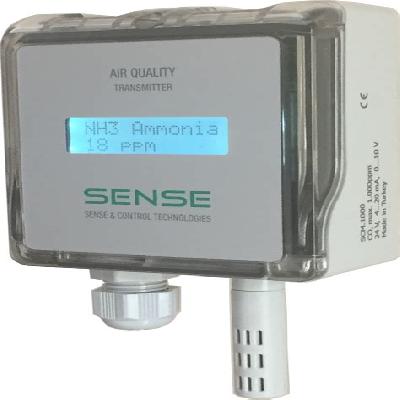
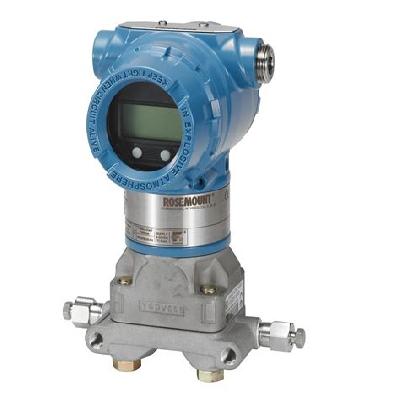
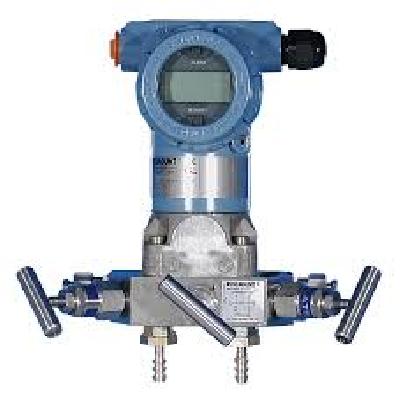
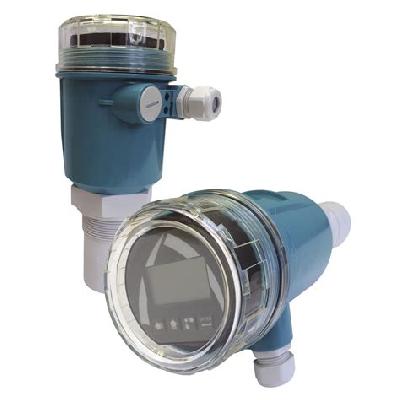
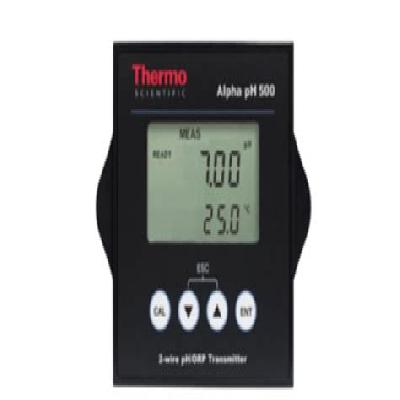
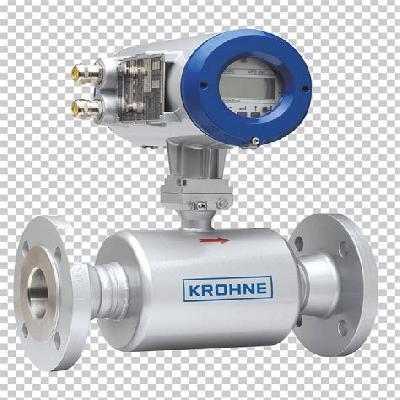
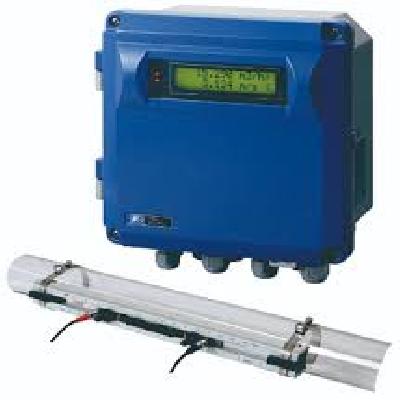
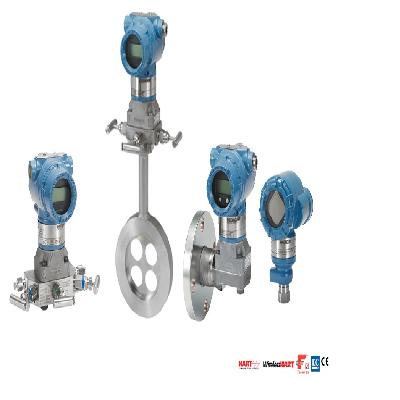
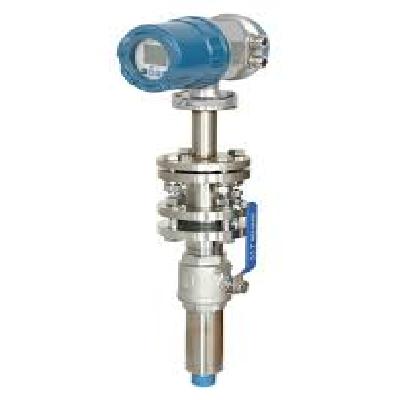
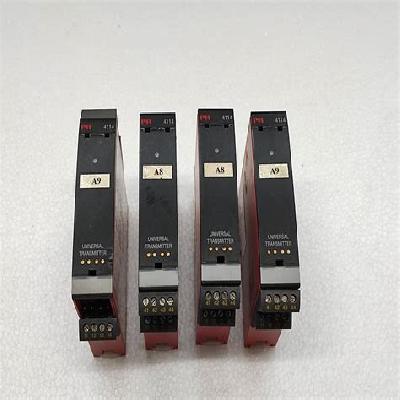
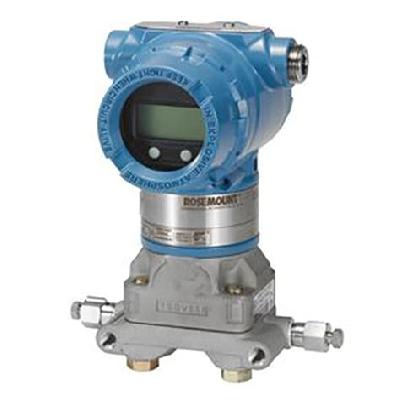
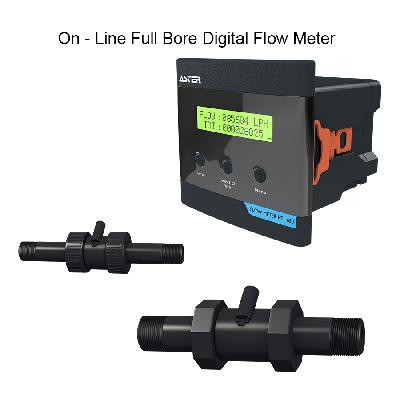
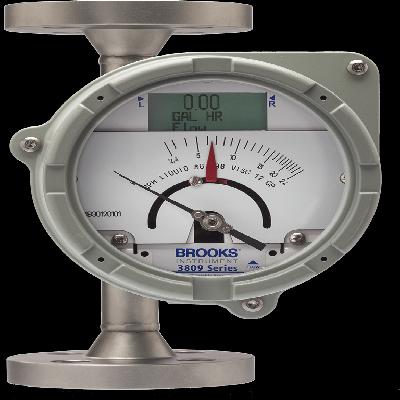
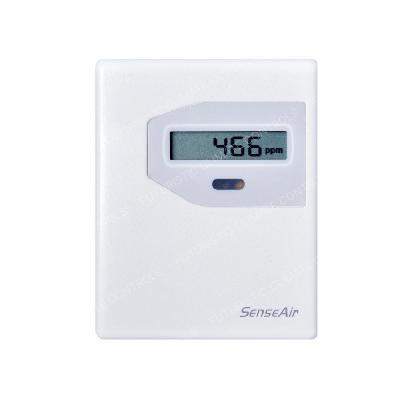
Flow transmitters are devices used to measure the flow rate of fluids in various industrial applications. They are designed to provide accurate and reliable measurements, which can be critical in processes such as chemical processing, oil refining, and power generation.
Where To Use Flow Transmitters
Flow transmitters can be used in a wide range of industries and applications, including:
Chemical processing plants
Oil refineries
Power generation stations
Petrochemical plants
Water treatment facilities
Key Features Of Flow Transmitters
Accuracy and reliability
Wide range of measurement options
Ability to measure various types of fluids
Compact design for easy installation
Durable construction for long-lasting performance
How To Use Flow Transmitters
Choose the correct type of flow transmitter for your application
Install the flow transmitter according to manufacturer's instructions
Calibrate the flow transmitter as required
Maintain and clean the flow transmitter regularly
How Flow Transmitters Is Manufactured
Flow transmitters are manufactured using high-quality materials and advanced production techniques to ensure accuracy, reliability, and durability.
Technical Specification Of Flow Transmitters
Temperature Range:
-20°C to 150°C
Fluid Compatibility:
Water, oil, gas, and other fluids
Output Signal:
Analog current (4-20mA) or digital signal (RS485)
Mounting Options:
Wall-mounted, DIN rail-mounted, or panel-mounted
The technical specifications of flow transmitters are critical in ensuring their performance and accuracy in various industrial applications. The temperature range, fluid compatibility, output signal, and mounting options are all important considerations when choosing a flow transmitter for your specific needs.
Description Of Flow Transmitters
Flow transmitters are designed to provide accurate and reliable measurements of fluid flow rates in various industrial applications.
Related Products & Synonyms Of Flow Transmitters
Some related products to flow transmitters include: