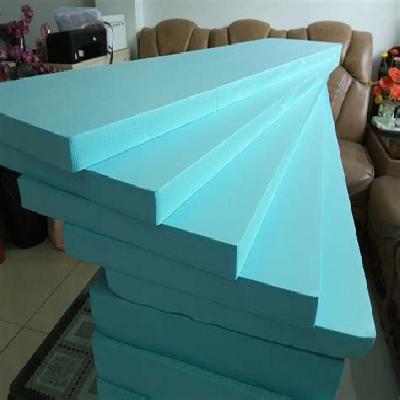
Foam board, also known as foam core, is a type of insulating material used in various applications, including construction, packaging, and art projects.
Where To Use Foam Board
Construction: Foam board is used as a thermal insulator, soundproofing material, and for protecting surfaces from damage.
Packaging: It is used to protect fragile items during shipping and storage.
Art projects: Foam board is used as a base material for collages, prints, and other art projects due to its smooth surface and durability.
Key Features Of Foam Board
Lightweight and easy to handle
High thermal insulation properties
Durable and long-lasting
Easy to cut and shape
Mold-resistant and waterproof
How To Use Foam Board
Measure the area to be covered with foam board and cut it to size using a utility knife or saw.
Install the foam board in place, ensuring it is properly secured to prevent movement or damage.
For art projects, attach the foam board to a backing material using glue or tape.
How Foam Board Is Manufactured
Foam board is manufactured by combining two layers of paper or foam with a core of insulating material, usually polyisocyanurate (PIR) or polyurethane (PUR), between them.
Technical Specification Of Foam Board
Specification
Value
Thickness (mm)
12-50
Dimensions (mm)
2440 x 1220, 2440 x 1830, etc.
Density (kg/m³)
20-100
Board Type
Plain, Corrugated, etc.
Color Options
White, Black, Grey, etc.
The specifications for foam board vary depending on the intended application and manufacturer. The thickness ranges from 12-50 mm, with dimensions available in standard sizes such as 2440 x 1220 mm or 2440 x 1830 mm. The density of foam board is typically between 20-100 kg/m³, while the board type can be plain, corrugated, or other specialized types. Color options are usually white, black, grey, and other standard colors.
Description Of Foam Board
Foam board is a versatile insulating material that offers excellent thermal insulation properties, making it ideal for construction and packaging applications.