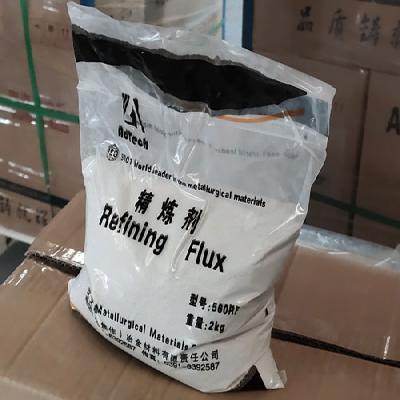
Foundry fluxes are substances used in foundries to remove impurities and improve the quality of cast metals. They work by reducing the melting point of the metal, making it easier to melt and cast.
Where To Use Foundry Fluxes
Foundry fluxes are commonly used in the production of cast iron, steel, and other metals. They can be applied to various processes, including sand casting, investment casting, and permanent mold casting.
Key Features Of Foundry Fluxes
Removes impurities and improves metal quality
Reduces melting point of metal
Improves casting efficiency and yield
Can be used in various foundry processes
How To Use Foundry Fluxes
Apply flux to molten metal before casting
Mix with other materials according to manufacturer's instructions
Monitor temperature and adjust as needed
Follow proper safety protocols when handling fluxes
How Foundry Fluxes Is Manufactured
The manufacturing process for foundry fluxes typically involves the combination of various chemicals and materials, including silicates, carbonates, and metallic oxides.
Technical Specification Of Foundry Fluxes
Active Content:
80-90%
Melting Point:
1200-1300°C
Appearance:
Granular or powdery
Application Temperature:
500-700°C
The technical specifications of foundry fluxes are critical to their effectiveness and efficiency in the foundry process. The active content, melting point, appearance, and application temperature all play important roles in determining the suitability of a particular flux for a specific application.
Description Of Foundry Fluxes
Foundry fluxes are an essential component of the foundry process, used to improve the quality and efficiency of metal casting.