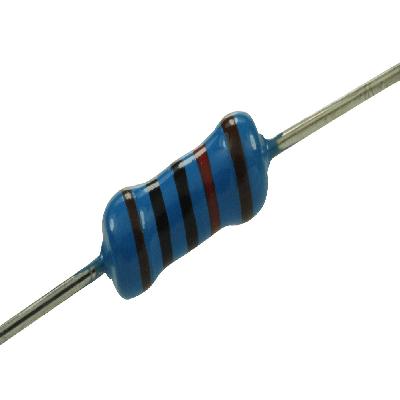
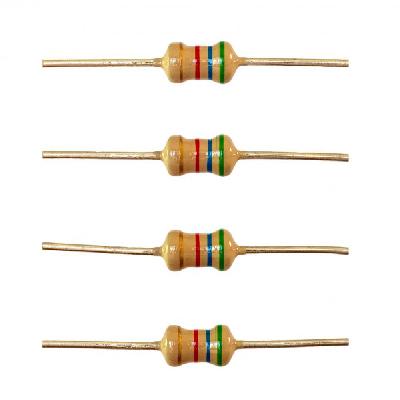
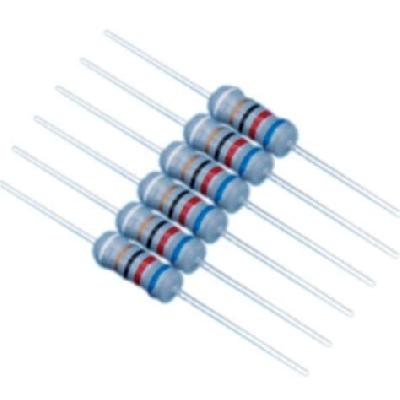
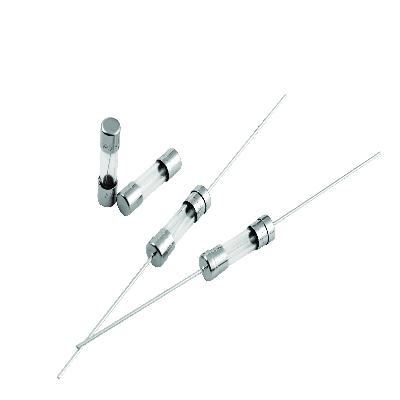
Fusible resistors are a type of resistor designed to melt and break the circuit when excessive current flows through them, thereby protecting other components in the circuit from damage.
Where To Use Fusible Resistors
Fusible resistors are used in applications where there is a risk of excessive current flow, such as in motor circuits, power supply circuits, and inrush current limiting.
They can also be used to protect other components from voltage spikes and transients.
Key Features Of Fusible Resistors
High power rating to handle excessive current.
Low resistance value to minimize voltage drop.
Fuse element melts at a specific temperature to break the circuit.
How To Use Fusible Resistors
Select the appropriate fusible resistor based on the current rating and resistance value required.
Install the fusible resistor in series with the protected component or circuit.
Ensure proper mounting and connection to prevent damage.
How Fusible Resistors Is Manufactured
Fusible resistors are manufactured using a combination of materials, including metal alloys and ceramic compounds. The manufacturing process involves cutting and shaping the resistive material into specific dimensions, followed by assembly with other components such as leads and terminals.
Technical Specification Of Fusible Resistors
Resistance Range:
10m? to 1k?
Power Rating:
100W to 500W
Tolerance:
±5%
The technical specifications of fusible resistors are critical in ensuring proper performance and reliability. The resistance range, power rating, and tolerance must be carefully selected to match the requirements of the application.
Description Of Fusible Resistors
Fusible resistors are designed to protect electrical circuits from excessive current flow, which can cause damage or even lead to a fire.
Related Products & Synonyms Of Fusible Resistors
Some related products to fusible resistors include: