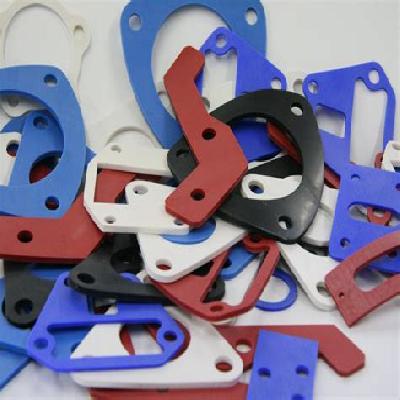
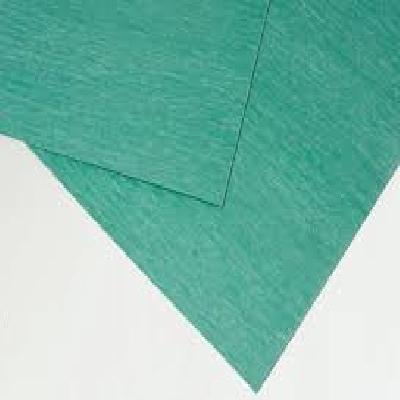
Gasket material is a type of material used to create seals between mechanical components, such as engines, pumps, and valves. It is typically made from a combination of materials, including rubber, plastic, metal, or fiber, which provide the necessary properties for sealing, insulation, and vibration damping.
Where To Use Gasket Material
Gaskets are used in various industrial applications, including power generation, oil and gas processing, chemical processing, and water treatment.
They are also used in automotive and aerospace industries for sealing engine components, fuel systems, and hydraulic systems.
Gasket materials can be applied to various surfaces, including metal, plastic, glass, and ceramic.
Key Features Of Gasket Material
High temperature resistance and insulation properties.
Excellent sealing capabilities, including compression set and extrusion resistance.
Durable and long-lasting, with minimal degradation over time.
Available in various shapes, sizes, and materials to suit different applications.
How To Use Gasket Material
Choose the correct type and size of gasket material for the specific application.
Clean and prepare the surface before applying the gasket material.
Apply the gasket material according to the manufacturer's instructions, using the recommended tools and techniques.
Inspect and test the seal after installation to ensure proper function.
How Gasket Material Is Manufactured
Gasket material is manufactured using various processes, including extrusion, calendaring, and molding. The raw materials are mixed and blended to achieve the desired properties, such as hardness, flexibility, and resistance to chemicals and temperatures.
Technical Specification Of Gasket Material
Thickness:
1.5mm - 3mm
Density:
1.2g/cm³ - 1.5g/cm³
Max Temperature:
200°C - 300°C
Pressure Range:
10bar - 50bar
Sheet Size:
A3 - A5
The technical specifications of gasket material are designed to provide a high level of performance and reliability in various industrial applications. The thickness, density, maximum temperature, pressure range, and sheet size are all critical factors that determine the suitability of the gasket material for specific use cases.
In general, gasket materials with higher thickness values tend to have better sealing properties, while those with lower thickness values may be more suitable for applications where space is limited. Similarly, denser materials often exhibit improved resistance to chemicals and temperatures, but may be less flexible than their less dense counterparts.
The maximum temperature rating of the gasket material is also a critical factor, as it determines the upper limit of operating temperature before degradation occurs. Pressure range is another important consideration, as excessive pressure can cause deformation or failure of the seal.
Finally, the sheet size of the gasket material must be carefully selected to ensure that it fits the specific application without being too large or too small. A3 and A5 sizes are commonly used in industrial applications, but other sizes may be available upon request.
Description Of Gasket Material
Gasket material is a versatile and essential component in various industrial applications, providing sealing, insulation, and vibration damping properties. It is available in various shapes, sizes, and materials to suit different requirements, and can be easily applied using standard tools and techniques.
Related Products & Synonyms Of Gasket Material
Gasket material is often related to other products, including: