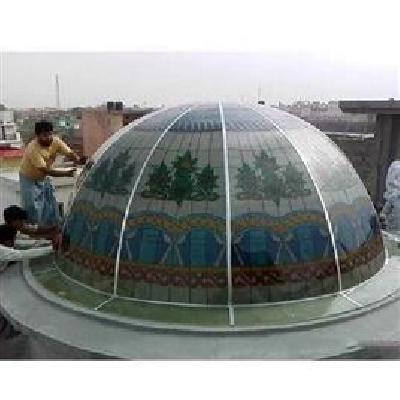
A geodesic dome is a hemispherical structural system composed of a network of interconnected triangles, providing exceptional strength-to-weight ratio and stability. This innovative design allows for efficient use of materials while maintaining excellent load-bearing capacity.
Where To Use Geodesic Domes
Temporary or permanent structures for events, exhibitions, and displays
Award-winning architecture for permanent buildings, such as homes, offices, and public spaces
Industrial applications, including manufacturing facilities, warehouses, and storage units
Military and emergency response shelters
Key Features Of Geodesic Domes
Maximum structural efficiency and minimal material usage
Excellent load-bearing capacity, ensuring safety and stability in various weather conditions
Customizable design to fit specific needs and environments
Versatility in applications, from temporary to permanent structures
Low maintenance requirements due to durable materials and simple construction process
How To Use Geodesic Domes
Plan and design your geodesic dome structure according to specific needs and requirements
Select suitable materials for the project, considering factors like durability, weight, and cost
Choose a suitable location with necessary permits and approvals in place
Hire experienced professionals or follow proper construction guidelines to ensure safe assembly
Maintain regular inspections and minor adjustments as needed for optimal performance and longevity
How Geodesic Domes Is Manufactured
The manufacturing process involves precision engineering, computer-aided design (CAD), and cutting-edge machinery to ensure accuracy and quality. Key stages include material selection, component fabrication, assembly, and final inspection.
Technical Specification Of Geodesic Domes
Diameter:
Customizable, up to 30 meters (98.43 ft)
Frequency:
Variable, depending on design and material selection
Material:
Galvanized steel, aluminum, or fiber-reinforced polymers (FRP)
Strut Thickness:
Customizable, minimum 10 mm (0.39 in)
Covering Material:
PVC, ETFE, or fiberglass-reinforced polyester (FRP)
The technical specifications of geodesic domes provide a comprehensive overview of the structure's capabilities and requirements. The diameter can be customized to fit specific needs, while the frequency is variable depending on design and material selection. Materials such as galvanized steel, aluminum, or fiber-reinforced polymers (FRP) are used for the dome's frame, with strut thickness customizable from a minimum of 10 mm (0.39 in). The covering material can be PVC, ETFE, or fiberglass-reinforced polyester (FRP), offering durability and weather resistance.
Description Of Geodesic Domes
Geodesic domes are marvels of engineering, combining strength with elegance to create extraordinary spaces for various applications. Their unique design ensures structural integrity while providing a spacious interior that can be customized to meet specific needs.
Related Products & Synonyms Of Geodesic Domes
The geodesic dome is often associated with other innovative structures, including the 'Geodome,' 'Dome-shaped Buildings,' and 'Hemispherical Domes.' These related products share similarities in design and functionality but may have unique features or applications.