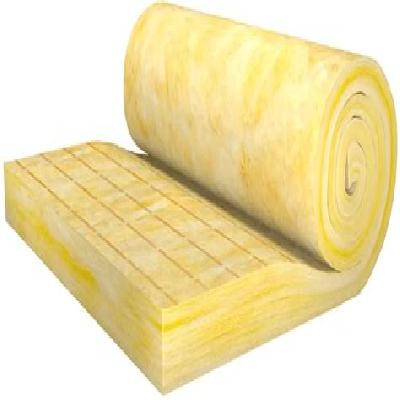
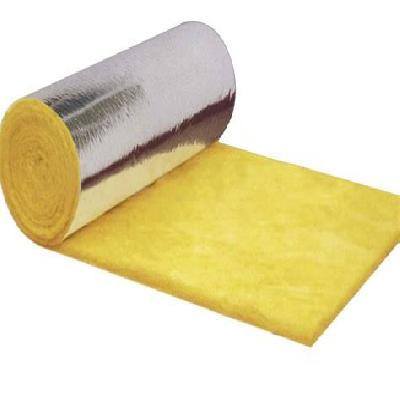
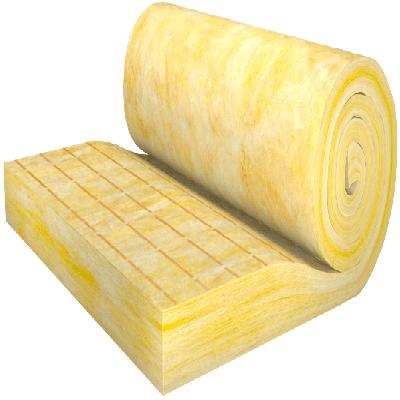
Glass wool, also known as fiberglass, is a type of insulation material made from glass fibers. It is produced by spinning molten glass into fine strands and then bundling them together to form a fluffy, fibrous material.
Where To Use Glass Wool
Glass wool is commonly used in various industries such as construction, HVAC, and manufacturing to provide thermal insulation and reduce energy consumption.
Key Features Of Glass Wool
High thermal insulation performance
Durable and long-lasting
Fire-resistant and non-toxic
Easily cut and installed
How To Use Glass Wool
Unpack and inspect the glass wool before use
Cut the glass wool to the required size using a utility knife or scissors
Install the glass wool in the desired location, ensuring proper fit and coverage
Ensure secure fastening of the glass wool to prevent displacement or damage
How Glass Wool Is Manufactured
Glass wool is manufactured through a process known as spinning, where molten glass is spun into fine fibers using high-speed machinery.
Technical Specification Of Glass Wool
Thickness (mm)
10-50
Density (kg/m³)
20-80
Operating Temperature (°C)
-50 to +250
Material Type
Glass fibers
Form
Roll, Sheet
The technical specifications of glass wool provide a comprehensive overview of its performance and characteristics, making it an essential tool for designers, engineers, and builders to ensure the optimal use of this insulation material.
Description Of Glass Wool
Glass wool is a popular insulation material used in various applications due to its high thermal performance, durability, and ease of installation.
Related Products & Synonyms Of Glass Wool
Glass wool is related to other insulation materials such as rock wool and slag wool, and its synonyms include glass wool insulation, glasswool, glass wool sheet, resin bonded fibre glass wool, and glass wool roll.