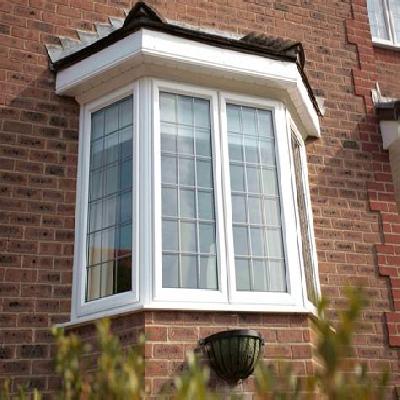
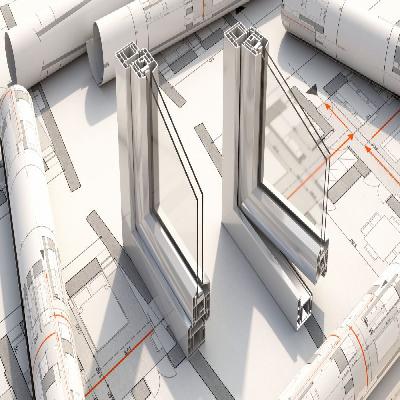
Glazed windows are a type of window that incorporates glass or transparent material as the main component, allowing natural light to enter while providing structural integrity and insulation.
Where To Use Glazed Windows
Residential buildings for aesthetic appeal and energy efficiency.
Commercial buildings for improved lighting and visibility.
Industrials spaces for natural light and ventilation.
Key Features Of Glazed Windows
High transparency and clarity for unobstructed views.
Energy efficiency through reduced heat transfer.
Durability and resistance to weathering and corrosion.
Variety of frame materials and glazing options available.
How To Use Glazed Windows
Install in walls and façades for improved natural light.
Use in interior design for added aesthetic value.
Maintain regular cleaning schedules to ensure clarity.
How Glazed Windows Is Manufactured
Glazed windows are manufactured through a process involving cutting and assembling glass or transparent material into frames of various materials, such as wood, aluminum, or steel.
Technical Specification Of Glazed Windows
Height (mm)
1200 - 2400
Width (mm)
800 - 2000
Frame Material
Aluminum, Steel, Wood
Glazing Type
Single Glazed, Double Glazed, Insulated Glass
The technical specifications of glazed windows play a crucial role in determining their performance and suitability for various applications. The height and width of the window frame, along with the material used for the frame, are essential factors to consider. Additionally, the type of glazing used, such as single-glazed or double-glazed, can significantly impact the energy efficiency and thermal insulation of the window.
Description Of Glazed Windows
Glazed windows are designed to provide a clear and unobstructed view while allowing natural light to enter the space. They are available in various sizes, shapes, and frame materials to suit different applications and architectural styles.