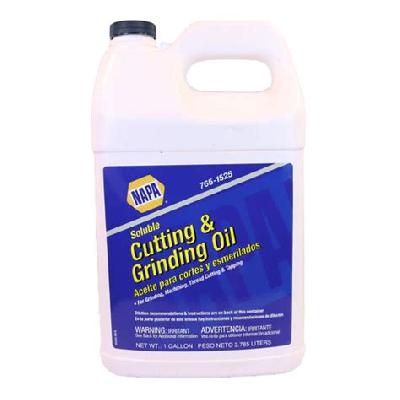
Grinding oils are specialized lubricants designed for use in grinding processes, where metal removal is the primary objective.
Where To Use Grinding Oils
Grinding oils are used in various applications, including but not limited to:
Surface grinding
Cylindrical grinding
Turret grinding
Bench grinding
Key Features Of Grinding Oils
Excellent lubricity for reduced heat generation and improved surface finish.
Highly soluble in water, making it easy to clean up and dispose of.
Resistant to foaming, ensuring consistent performance over extended periods.
How To Use Grinding Oils
Apply a thin, even layer of grinding oil to the workpiece before grinding.
Maintain consistent oil levels throughout the grinding process.
Change the oil regularly to ensure optimal performance and prevent degradation.
How Grinding Oils Is Manufactured
Grinding oils are typically manufactured through a combination of refining and blending processes, involving petroleum-based or synthetic components.
Technical Specification Of Grinding Oils
Viscosity:
100 cSt @ 40°C
Flash Point:
220°C (428°F)
Pour Point:
Packaging:
1 L, 5 L, 10 L containers
The technical specifications of grinding oils ensure their suitability for various grinding applications. The viscosity range allows for efficient lubrication and heat dissipation, while the flash point indicates resistance to ignition. The pour point ensures stable flow properties even in cold temperatures. Packaging is available in convenient sizes for easy handling.
Description Of Grinding Oils
Grinding oils are designed to provide optimal lubrication and cooling during grinding operations, ensuring improved surface finish, reduced heat generation, and extended tool life.
Related Products & Synonyms Of Grinding Oils
Some related products include cutting oils and honing oils, which are used in similar grinding applications. Synonyms for grinding oils include metalworking fluids and machining lubricants.