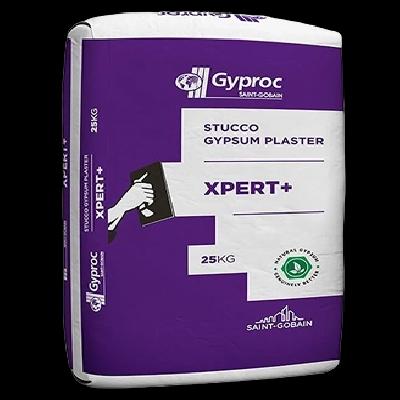
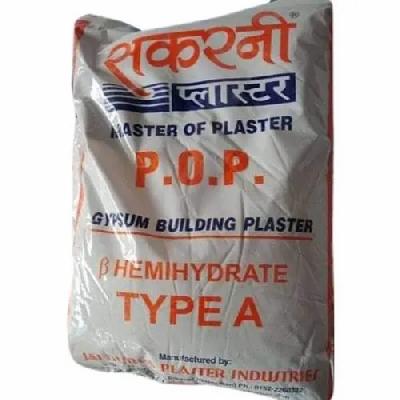
Gypsum plaster is a type of plaster made from gypsum, a soft sulfate mineral composed of hydrated calcium sulfate. It is a popular choice for finishing walls and ceilings due to its ease of application, durability, and fire-resistance.
Where To Use Gypsum Plaster
Gypsum plaster can be used in a variety of settings, including residential and commercial buildings, as well as in decorative and architectural applications. It is ideal for use on dry walls, ceilings, and partitions.
Key Features Of Gypsum Plaster
Easy to apply and finish
Durable and long-lasting
Fire-resistant and non-combustible
Mold- and mildew-resistant
Eco-friendly and sustainable
How To Use Gypsum Plaster
Clean and prepare the surface thoroughly
Apply a suitable primer or bonding agent if necessary
Mix the gypsum plaster according to the manufacturer's instructions
Apply the mixture evenly and smoothly, using a putty knife or trowel
How Gypsum Plaster Is Manufactured
Gypsum plaster is typically manufactured by mixing gypsum powder with water to form a workable paste. The mixture is then heated and processed to create a uniform consistency and texture.
Technical Specification Of Gypsum Plaster
Color:
Off-white to cream
Water Mixing Ratio:
1 part gypsum plaster to 0.5 parts water
Drying Time:
2-3 hours, depending on environmental conditions
Weight:
Approx. 1 kg/m² per coat
Finish:
Smooth, even, and durable finish
The technical specification of gypsum plaster is crucial for ensuring proper application, durability, and performance. By adhering to these specifications, users can achieve a high-quality finish that meets their requirements.
Description Of Gypsum Plaster
Gypsum plaster is a versatile and widely used material in the construction industry. Its unique properties, such as ease of application, durability, and fire-resistance, make it an ideal choice for various applications.