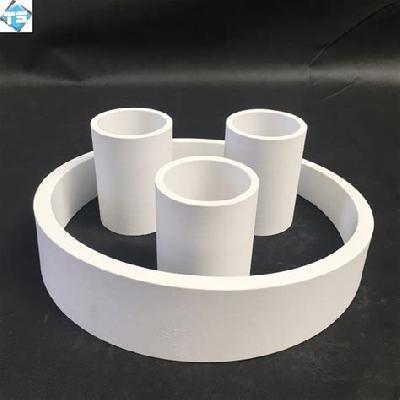
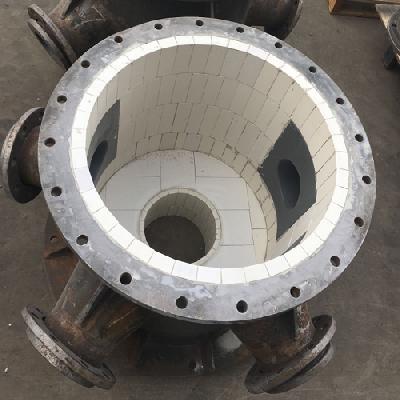
High Alumina Brick is a type of refractory brick that contains high alumina content, making it resistant to high temperatures and chemical corrosion.
Where To Use High Alumina Brick
High Alumina Brick is commonly used in high-temperature applications such as:
Refractory linings for furnaces and kilns
Ceramic and glass manufacturing
Steel industry
Other high-temperature processes
Key Features Of High Alumina Brick
High alumina content (typically above 50%)
High thermal resistance and strength
Good chemical corrosion resistance
Low shrinkage during firing
Durable and long-lasting
How To Use High Alumina Brick
Select the right size and shape for your application
Prepare the surface of the brick by cleaning and drying it
Install the brick in a refractory lining or other high-temperature application
Maintain the brick through regular inspection and replacement as needed
How High Alumina Brick Is Manufactured
High Alumina Brick is manufactured through a process that involves mixing alumina-rich raw materials with other minerals and then firing the mixture at high temperatures to create the brick.
Technical Specification Of High Alumina Brick
Alumina Content:
55-65%
Bulk Density:
1.8-2.0 g/cm³
Thermal Conductivity:
10-15 W/mK
Cold Crushing Strength:
50-60 N/mm²
Refractoriness Under Load:
1800°C (3272°F)
The technical specification of High Alumina Brick is characterized by its high alumina content, bulk density, thermal conductivity, cold crushing strength, and refractoriness under load. These properties make it suitable for use in various high-temperature applications.
Description Of High Alumina Brick
High Alumina Brick is a dense and hard refractory material that is resistant to high temperatures and chemical corrosion. It has a high alumina content, which provides its thermal resistance and strength.
Related Products & Synonyms Of High Alumina Brick
High Alumina Brick is related to other refractory products, such as: