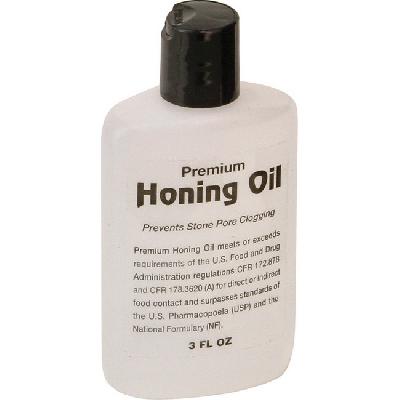
Honing oil is a specialized lubricant designed for use in the honing process of engine components, such as cylinder liners and crankshaft journals.
Where To Use Honing Oil
Honing machines and equipment
Cylinder liners and crankshaft journals
Engine repair shops and workshops
Automotive manufacturing facilities
Key Features Of Honing Oil
Highly refined and purified base oil for improved performance
Specialized additives for reduced friction and wear
Excellent lubricity and corrosion protection
Compliant with industry standards and regulations
How To Use Honing Oil
Follow the manufacturer's instructions for application rates and procedures
Maintain a clean and dry work environment to prevent contamination
Use honing oil in combination with honing machines and equipment
Monitor and adjust as necessary to achieve desired results
How Honing Oil Is Manufactured
Honing oil is manufactured through a multi-step process involving refining, blending, and additive formulation. The raw materials are sourced from reputable suppliers and undergo rigorous testing to ensure compliance with industry standards.
Technical Specification Of Honing Oil
Viscosity (cSt @ 40°C)
12.5
Flash Point (°C)
220
Pour Point (°C)
-20
Color (Gardner)
1
The technical specifications of honing oil are critical to its performance and effectiveness in the honing process. The viscosity, flash point, pour point, and color all contribute to the oil's lubricating properties and compatibility with engine components. By meeting or exceeding industry standards for these parameters, honing oil ensures optimal results and extended equipment life.
Description Of Honing Oil
Honing oil is a high-performance lubricant designed for the honing process of engine components. Its specialized formulation provides excellent lubricity, corrosion protection, and wear resistance, making it an essential component in engine repair and manufacturing.