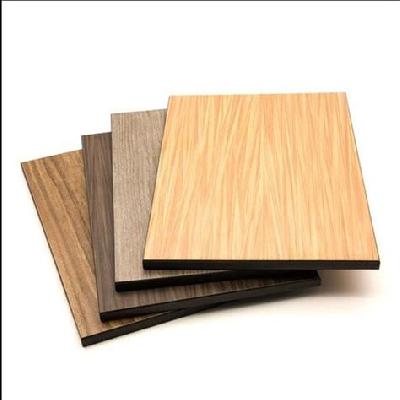
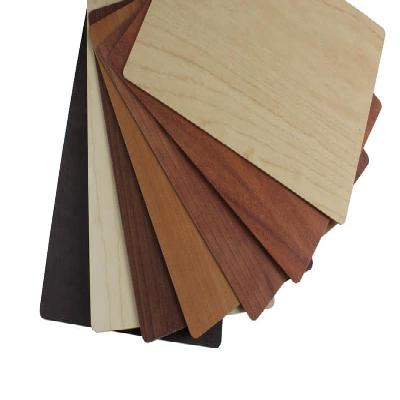
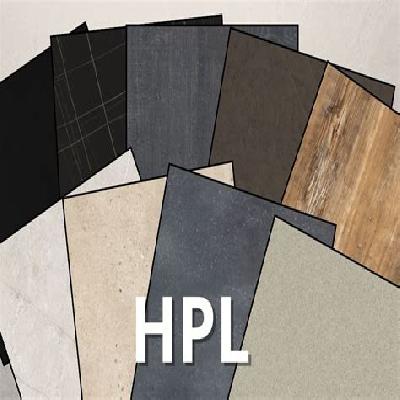
High Pressure Laminate (HPL) board is a type of engineered wood product made by compressing layers of paper or other cellulose-based materials under high pressure and heat. This process creates a dense, rigid material with improved mechanical properties compared to solid wood. HPL boards are widely used in various applications due to their durability, resistance to moisture and scratches, and aesthetic appeal.
Where To Use Hpl Board
HPL boards are commonly used in furniture making, such as tabletops, shelves, and cabinets.
They can also be used for decorative panels, wall cladding, and flooring.
In industrial settings, HPL boards are used for worktops, machinery parts, and other equipment components.
Key Features Of Hpl Board
Highly durable and resistant to scratches, cuts, and wear.
Moisture-resistant and can withstand exposure to water and humidity.
Aesthetic appeal with a range of colors and patterns available.
Easy to clean and maintain.
How To Use Hpl Board
Cut HPL boards to required size using a saw or CNC machine.
Sand the edges and surfaces to smooth out any rough spots.
Assemble components using adhesives, screws, or other fasteners.
How Hpl Board Is Manufactured
The production of HPL boards involves several stages:
Culture and processing of raw materials (paper or other cellulose-based materials).
Pressing the layers under high pressure and heat.
Cooling and cutting to final size.
Technical Specification Of Hpl Board
Thickness:
12mm, 15mm, 18mm
Density:
1100kg/m³, 1200kg/m³
Moisture Content:
8%, 10%
Surface Finish:
Matte, Glossy
The technical specifications of HPL boards are critical in determining their suitability for specific applications. The thickness and density of the board affect its rigidity, weight, and resistance to wear. Moisture content impacts the board's ability to withstand exposure to water and humidity. Surface finish influences the aesthetic appeal and ease of cleaning.
Description Of Hpl Board
HPL boards are versatile materials with a wide range of applications. They offer excellent durability, moisture resistance, and aesthetic appeal, making them suitable for various industries, including furniture making, construction, and industrial equipment manufacturing.