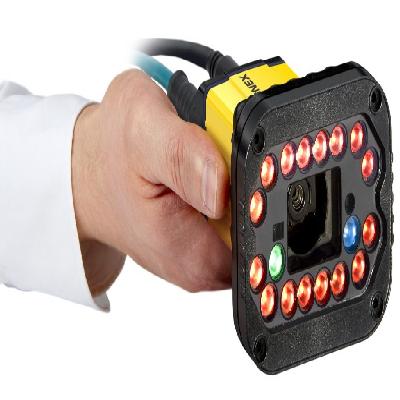
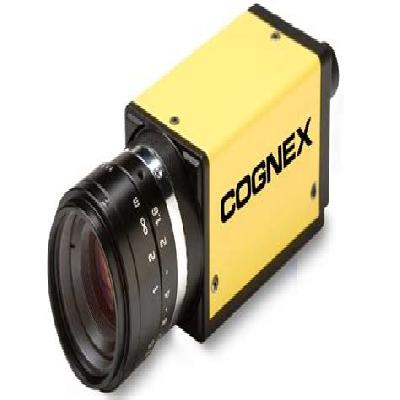
Industrial id readers are electronic devices designed to read identification cards or tags, typically used in industrial settings for access control, tracking, and monitoring purposes.
Where To Use Industrial Id Readers
Industrial facilities, such as manufacturing plants, warehouses, and factories
Office buildings and corporate campuses
Hospitals and healthcare facilities
Government institutions and public buildings
Other secure areas where access control is required
Key Features Of Industrial Id Readers
High-speed reading capabilities for efficient access control
Long-range or proximity reading options for flexibility
Durable construction to withstand harsh industrial environments
Integration with various identification card technologies (e.g., RFID, smart cards)
Support for multiple communication protocols (e.g., TCP/IP, RS-232)
How To Use Industrial Id Readers
Install the reader at designated access points or locations
Configure the reader for specific identification card technologies and communication protocols
Program the reader with access control rules and permissions as needed
Maintain regular software updates to ensure optimal performance and security
Train personnel on proper use, maintenance, and troubleshooting procedures
How Industrial Id Readers Is Manufactured
Industrial id readers are manufactured using a combination of electronic and mechanical components, including printed circuit boards (PCBs), microcontrollers, sensors, and actuators. The production process involves design, prototyping, testing, and quality assurance to ensure reliable performance and durability.
Technical Specification Of Industrial Id Readers
Frequency:
860-960 MHz
Antenna Ports:
2 x SMA (50 ohm)
Communication Interfaces:
RS-232, TCP/IP
Operating Temperature Range:
-20°C to +50°C
The technical specifications of industrial id readers are designed to meet the requirements of harsh industrial environments, including extreme temperatures and high humidity levels. The devices must be able to operate reliably in a wide range of frequencies, with fast reading capabilities and support for multiple communication protocols.