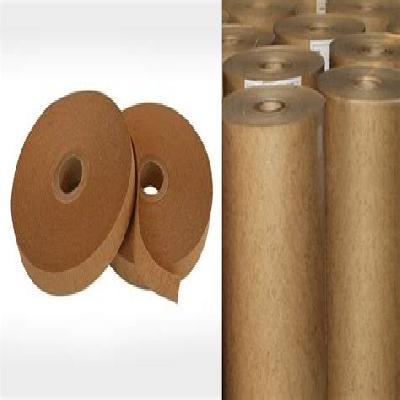
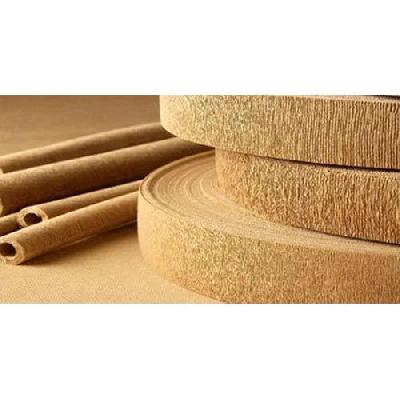
Insulating kraft paper is a type of electrical insulation material made from wood pulp or plant fibers, processed into a semi-finished product.
Where To Use Insulating Kraft Paper
Used in electrical equipment, such as transformers, motors, and generators
Applied in electronic devices, including printed circuit boards (PCBs) and capacitors
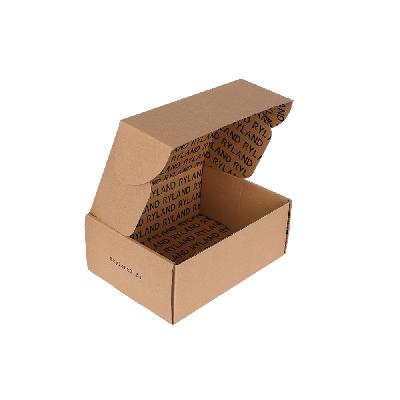
Packaging material for various electrical components
Key Features Of Insulating Kraft Paper
Good electrical insulation properties
High thermal stability
Chemical resistance to oils and fuels
Moderate mechanical strength
How To Use Insulating Kraft Paper
Cut to required size and shape
Clean the surface before application
Apply according to manufacturer's instructions
Maintain in a dry environment
How Insulating Kraft Paper Is Manufactured
The manufacturing process involves pulping wood chips, refining the fibers, bleaching and sizing to achieve desired electrical insulation properties.
Technical Specification Of Insulating Kraft Paper
Thickness (mm)
1.5-2.5
Dimensions (m)
Roll diameter up to 1 m, Roll width up to 1.5 m
Density (kg/m³)
400-600 kg/m³
Operating Temperature (°C)
Up to 150°C, Short-term up to 200°C
The technical specification table lists the key characteristics of insulating kraft paper. Thickness is available in a range of 1.5-2.5 mm, making it suitable for various applications. Dimensions can be customized to meet specific requirements. The density ranges from 400-600 kg/m³, ensuring sufficient mechanical strength. Operating temperature is up to 150°C for long-term use and short-term exposure can reach up to 200°C.
Description Of Insulating Kraft Paper
Insulating kraft paper is a versatile material with high electrical insulation properties, making it suitable for various applications in the electrical and electronics industry.
Related Products & Synonyms Of Insulating Kraft Paper
Synonyms for insulating kraft paper include electrical insulation paper, transformer board, and printed circuit board (PCB) material. Related products include electrical tapes, wires, and connectors.