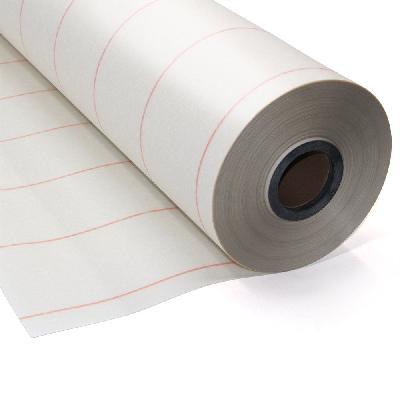
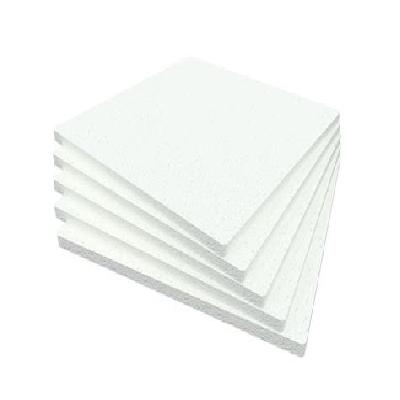
Insulation paper is a type of industrial product used for thermal insulation and electrical insulation in various applications.
Where To Use Insulation Paper
Industrial applications such as power plants, factories, and warehouses.
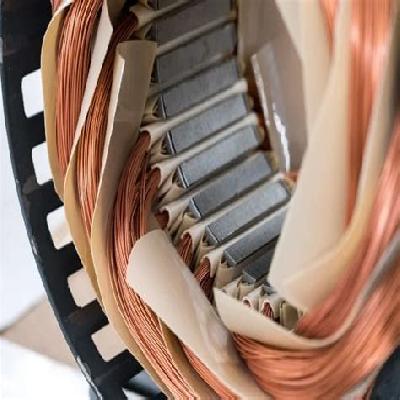
Electrical equipment such as transformers, generators, and motors.
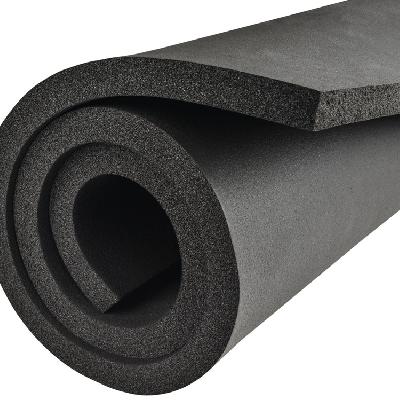
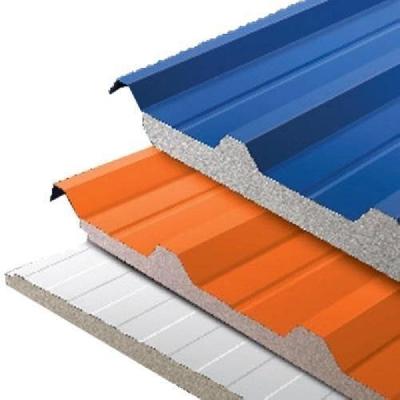
Thermal insulation in buildings and structures.
Key Features Of Insulation Paper
High thermal resistance and electrical insulation properties.
Chemical stability and resistance to moisture and chemicals.
Fire-resistant and non-toxic.
How To Use Insulation Paper
Cut the insulation paper to required size and shape.
Wrap or insert it into the desired location for thermal or electrical insulation.
Ensure proper fit and secure the insulation paper with adhesives or fasteners if necessary.
How Insulation Paper Is Manufactured
Insulation paper is manufactured through a process of calendering, where raw materials such as wood pulp and chemical additives are mixed and formed into sheets using heat and pressure.
Technical Specification Of Insulation Paper
Thickness:
1.2 mm - 3.5 mm
Material Composition:
Wood pulp, chemical additives (silicon dioxide, calcium carbonate)
Tensile Strength:
10 N/mm² - 20 N/mm²
Dielectric Strength:
8 kV/mm - 15 kV/mm
The technical specification of insulation paper provides essential information for users to determine its suitability and performance in specific applications.
Description Of Insulation Paper
Insulation paper is a versatile industrial product designed to provide thermal and electrical insulation in various applications, ensuring safety and efficiency.